
Principal Newsletter: Indigenous Education Week Programming and Purpose
Indigenous Education Week newsletters matter more when they are honest about purpose: this is not a cultural festival, it is an educational commitment. The newsletter that names what students are learning, who is teaching it, and how it connects to year-round curriculum is one that families across the school community can take seriously.
Why This Week and What It Is For
Name the purpose directly. Indigenous Education Week exists to center Indigenous histories, cultures, languages, and contributions that have historically been absent or distorted in the standard curriculum. For Indigenous students in your school, this week affirms that their community's knowledge and history belong in the classroom. For all students, it builds the historical and cultural literacy they need to understand the country they live in. Name both of these purposes. A week that only serves one of them is incomplete.
What the School Is on Whose Land
If your school practices land acknowledgment, name the specific Indigenous nations on whose ancestral territory the school sits. If your school does not yet have an established land acknowledgment, this newsletter is an opportunity to describe the process of developing one and who in the school community is guiding that work. A land acknowledgment is a starting point, not a substitute for ongoing education, and the newsletter should reflect that understanding.
What Students Are Learning This Week
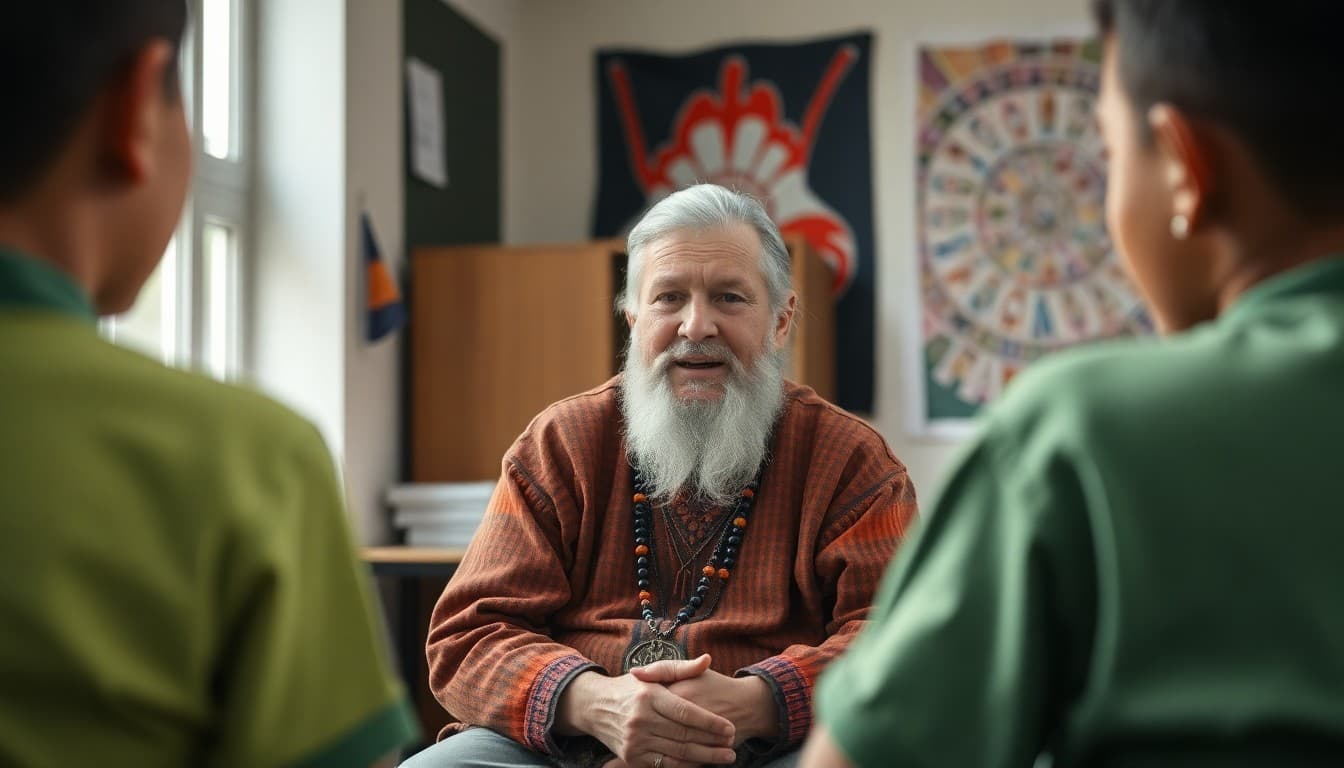
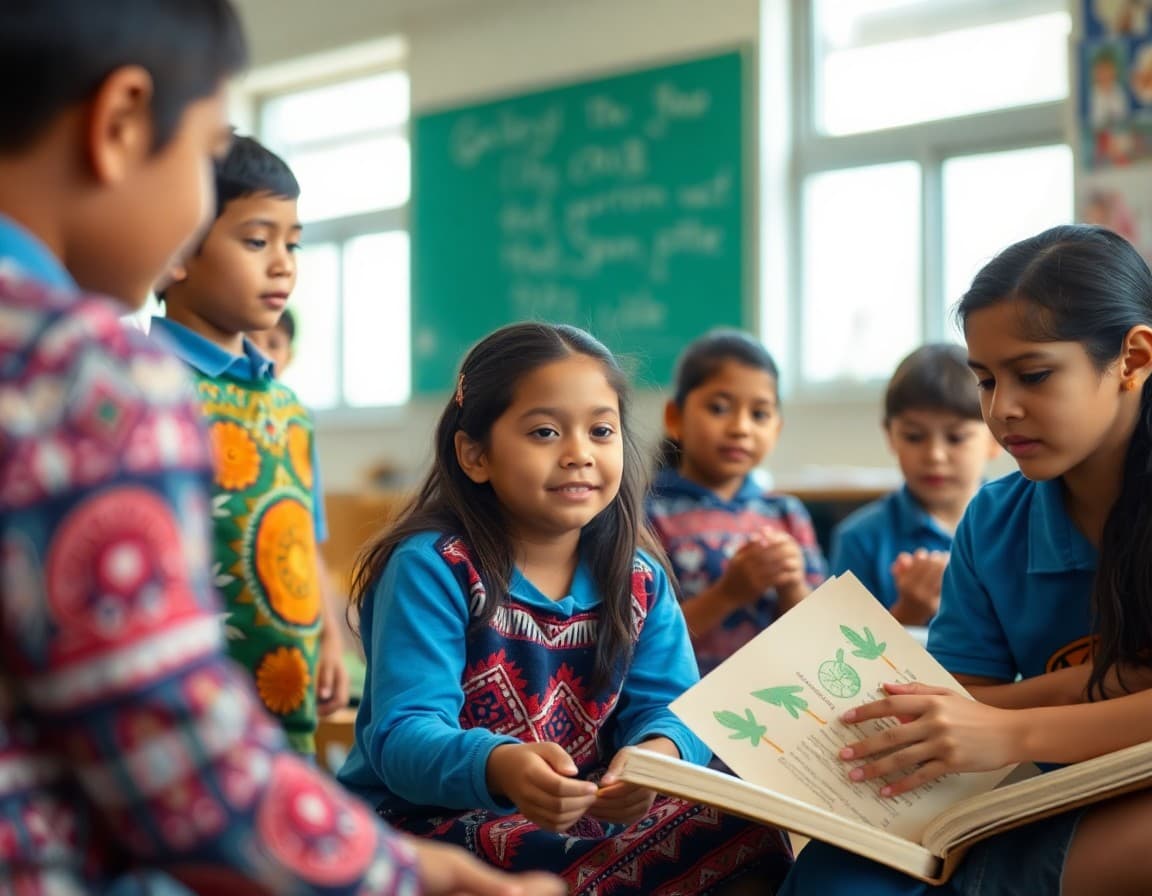
Describe the activities specifically by grade level or subject area where relevant. A guest speaker who is a member of a local Indigenous nation presenting to middle school students on contemporary Indigenous life and sovereignty. A reading and discussion of a novel by an Indigenous author in the language arts classes. A science unit connecting Indigenous ecological knowledge to environmental science concepts. An art project taught by an Indigenous artist in the correct cultural context with their permission and guidance. Specifics matter here because they demonstrate that the week involves real educational content, not performative displays.
Who Is Teaching It
Name the Indigenous educators, community members, elders, or artists who are participating in the week's activities. Describe briefly who they are and what they bring. If community members or elders have given permission to be named in the newsletter, name them with appropriate respect and title. Families who understand that programming is being developed and delivered by or in partnership with Indigenous people have more confidence in its accuracy and appropriateness than families who assume it was designed solely by non-Indigenous school staff.
Beyond This Week
Name the school's ongoing commitment explicitly. The library has an expanding collection of books by Indigenous authors across genres and age levels. The history curriculum includes Indigenous perspectives throughout the year, not only in this week. The science program incorporates Indigenous ecological and agricultural knowledge as part of standard content. The school partners with the local Indigenous community liaison throughout the school year for guidance on curriculum and programming. Families who see a week that is part of a larger commitment understand it differently than families who see a standalone observance surrounded by silence.
How Families Can Engage
Give families specific ways to extend the week's learning at home. A list of books by Indigenous authors appropriate to different ages. A documentary or film to watch together. A local museum or cultural center with Indigenous collections or programming. An invitation to Indigenous families in the school community to connect with the principal or counselor if they want to be involved in the school's ongoing Indigenous education efforts. The families who are most invested in this week are often Indigenous families themselves, and the newsletter should speak to them as partners rather than only as audience members.
Using Daystage for Indigenous Education Communication
Daystage makes it easy to build an Indigenous Education Week newsletter with programming descriptions, guest information, and a principal message that frames the week within a year-round educational commitment. Send it the week before so families can prepare to discuss what their students are learning.
Get one newsletter idea every week.
Free. For teachers. No spam.
Frequently asked questions
What should a principal newsletter for Indigenous Education Week include?
Explain why the week matters and what its purpose is. Name the specific activities happening at school. Acknowledge the Indigenous nations whose lands the school is on, if your school does land acknowledgment. Invite Indigenous community members and family engagement. Connect the week's activities to ongoing curriculum rather than framing it as a standalone observance.
How do you write about Indigenous Education Week without appropriating or tokenizing?
Name real Indigenous scholars, authors, artists, or community members who are part of the programming. Avoid generic cultural elements like dreamcatchers or headdresses that are stripped from their specific cultural contexts. Use specific nation names rather than the generic term 'Native American' where possible. Acknowledge that there is no single 'Indigenous culture' but hundreds of distinct nations, languages, and traditions. The newsletter should reflect the school's commitment to accuracy and respect.
What activities are appropriate for Indigenous Education Week?
Author visits or readings from Indigenous writers. Presentations from Indigenous community members or elders. Curriculum integration across subjects: Indigenous science, Indigenous history, Indigenous literature. Student research projects on specific nations relevant to the local region. Art projects taught by Indigenous artists in the correct cultural context. Land acknowledgment practices. Activities should be guided by Indigenous educators or community members where possible.
How do you connect Indigenous Education Week to the rest of the school year?
State explicitly that the week is not the end of Indigenous education at your school. Name the ongoing curriculum integrations, the library collection of Indigenous authors, the social studies and science content that incorporates Indigenous knowledge throughout the year. A week of focused attention that is surrounded by nothing before or after it is a token gesture. The newsletter can describe the larger commitment the week is part of.
What tool helps principals send newsletters efficiently?
Daystage makes it easy to build an Indigenous Education Week newsletter with activity descriptions, community guest information, and a message from the principal about the school's ongoing commitment. Track engagement to know which families are most interested in continuing the conversation.

Adi Ackerman
Author
Adi Ackerman is a former classroom teacher and curriculum writer with 8 years in K-8 schools. She writes about school communication, parent engagement, and what actually works in real classrooms.
More for Principals
Ready to send your first newsletter?
3 newsletters free. No credit card. First one ready in under 5 minutes.
Get started free