

Writing School Newsletters That Reach and Respect Parents of Color
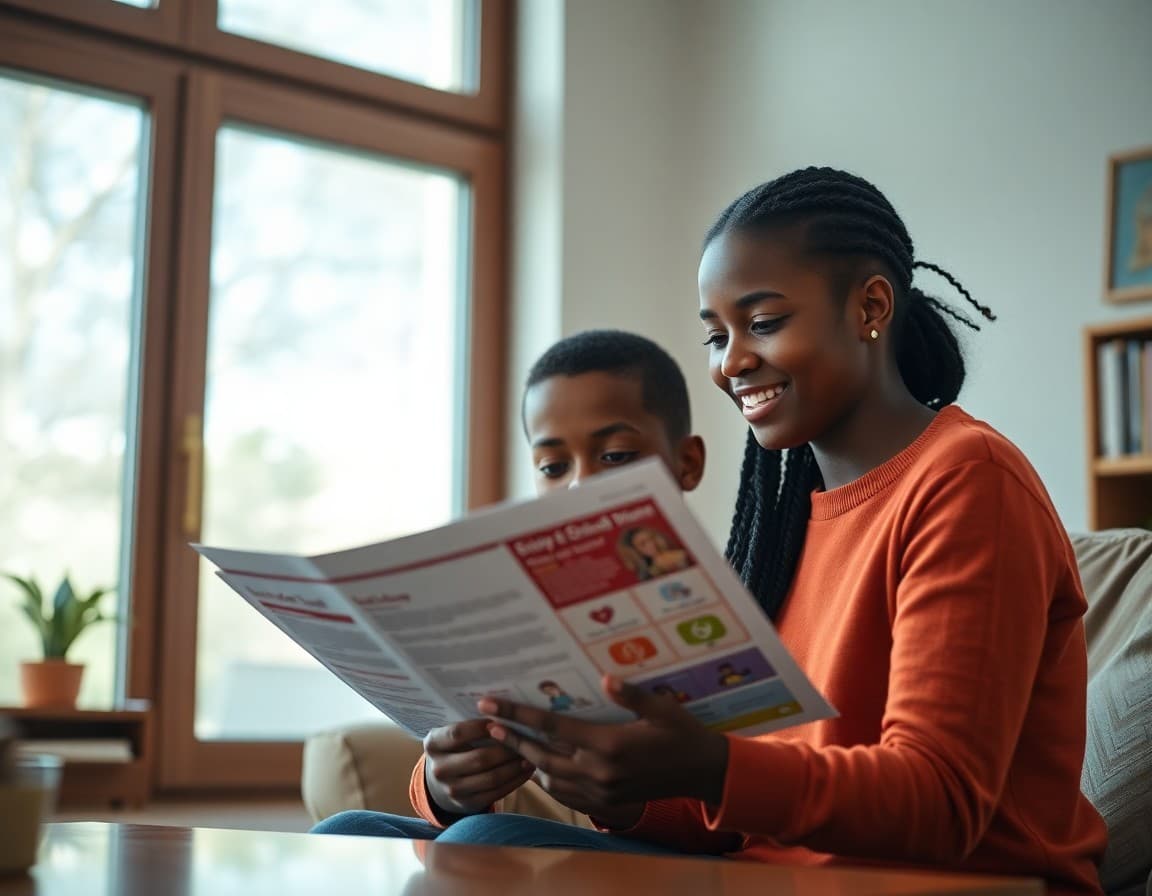
The school newsletter is only an equity tool if it reaches and serves the whole school community. A newsletter that consistently centers the families and students who already feel welcome, while overlooking those who have reasons to distrust school institutions, reinforces exactly the gaps it should be closing. Changing that requires intention at every level of how newsletters are written, designed, and delivered.
Content representation: who appears in your newsletter
Look at your last six newsletters with a specific question: whose students, classrooms, and families appear in the photos, spotlights, and student voice sections? If the answer is consistently one demographic group, the newsletter is signaling to other families that the school does not see them as equally central.
This does not require a demographic audit of every newsletter. It requires a consistent habit of rotating which classrooms, student groups, and communities are featured across the year. The full community should appear over the course of the year, not in a single 'diversity spotlight' month.
Language that excludes without intending to
The most common exclusionary language in school newsletters is not deliberately discriminatory. It is language that assumes a particular kind of family:
- 'Please have mom or dad sign the form' excludes single-parent households, grandparent-headed households, and same-sex parent families. Use 'parent or guardian.'
- 'We are excited to welcome you back from Thanksgiving!' assumes all families celebrate the holiday. 'Welcome back from the long weekend' is inclusive.
- Educational jargon ('MTSS,' 'tier 1 supports,' 'Fountas and Pinnell levels') is insider language that some families navigate fluently and others have never encountered. Either define terms briefly or avoid them in family communication.
Reframe engagement to include home-based involvement
Many school newsletters frame family engagement entirely around attending school-based events: back-to-school night, the parent-teacher conference, the PTO meeting. Families who cannot attend these events due to work schedules, transportation, childcare, or discomfort in school-site environments are implicitly coded as disengaged.
Include home-based engagement explicitly in the newsletter: reading with your child, having conversations about what they are learning, completing school forms promptly, attending school in a healthy routine. These are forms of family engagement that are equally valid and more accessible to families who face systemic barriers to school-site participation.
Delivery channels: email is not universal
Email-primary newsletter delivery systematically underserves families who check email infrequently or not at all. In many communities of color, and particularly in working-class households, SMS has higher engagement than email for time-sensitive or regular communication.
Survey your families in September about their preferred communication channel. A single survey question ('How do you prefer to receive the principal newsletter?') gives you data that changes who you actually reach.
Daystage handles email delivery well. For families the email channel is missing, supplement with text or paper as the data directs.
Get one newsletter idea every week.
Free. For teachers. No spam.
Frequently asked questions
What makes a school newsletter feel unwelcoming to families of color?
Newsletters that consistently feature only students from majority groups in photos and spotlights, use language that assumes a particular kind of family structure or cultural background, frame engagement in terms of attendance at school-site events only, or position families as recipients of information rather than partners in their child's education signal that the newsletter is not written for everyone.
How do I represent the full school community in the newsletter without tokenizing?
By making diversity a structural feature of how you select content year-round, not an occasional spotlight. Rotate through different classrooms, programs, and student groups in every newsletter. When student work or student voice appears, reflect the actual demographics of the school. No single newsletter needs to include everything. The full year of newsletters should represent the full school.
What language should I avoid in school newsletters for diverse families?
Avoid assumptions about family structure ('mom and dad' instead of 'family' or 'guardians'), language that positions families as problems to be managed rather than partners, deficit framing about communities of color, and jargon that assumes educational privilege ('differentiated instruction,' 'tier 1 support' without explanation).
How do I reach families of color who do not engage with school email?
Email is not the only channel. Text message has significantly higher open rates in some communities. Paper newsletters sent home with students reach families who are not digital. A WhatsApp or group text for specific demographic communities (with appropriate privacy considerations) often reaches families that email misses entirely. Ask non-engaged families directly how they prefer to receive information.
What tool helps principals send newsletters efficiently?
Daystage handles delivery and formatting, but reaching families of color requires intentional content and channel strategy beyond the tool itself. Daystage's support for multiple contact lists can help you target specific communication to specific communities.

Adi Ackerman
Author
Adi Ackerman is a former classroom teacher and curriculum writer with 8 years in K-8 schools. She writes about school communication, parent engagement, and what actually works in real classrooms.
More for Principals
Ready to send your first newsletter?
3 newsletters free. No credit card. First one ready in under 5 minutes.
Get started free