

Field Trip Recap in Your Principal Newsletter: A Template
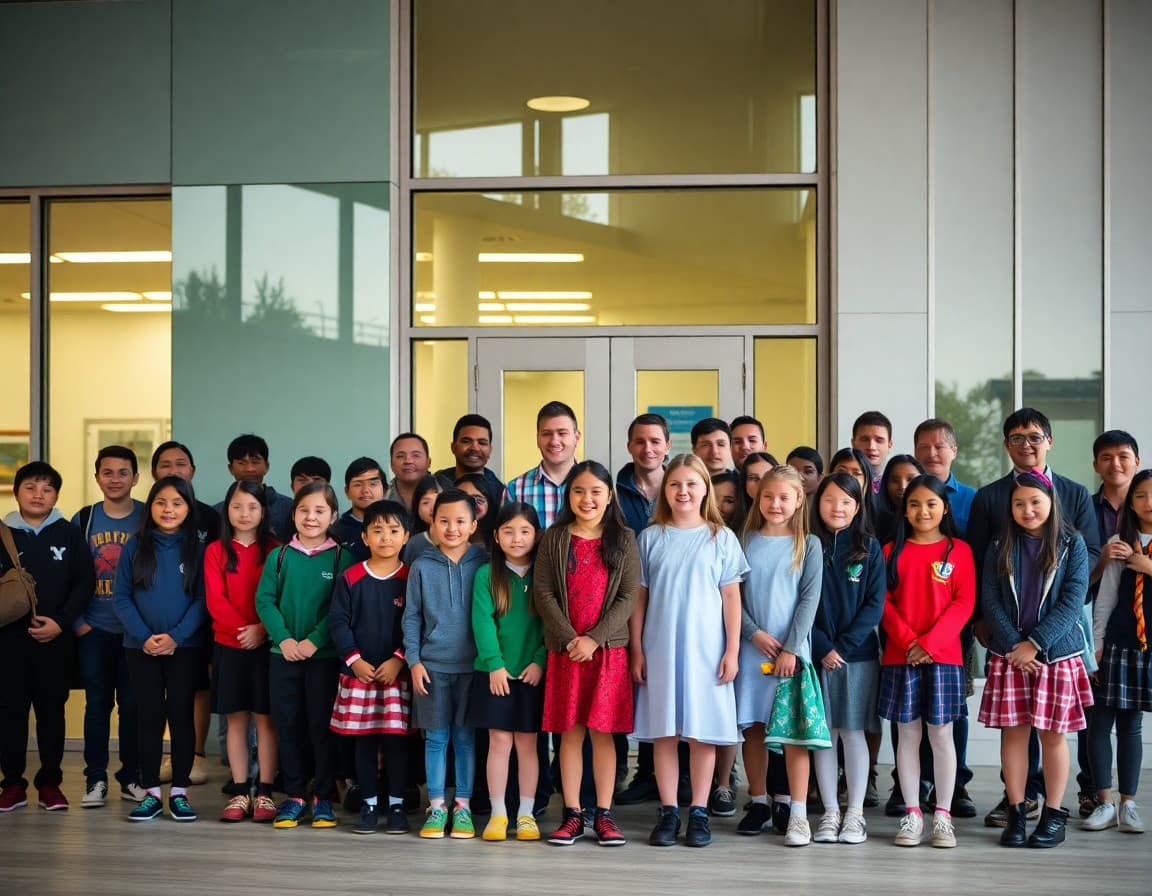
Field trips are the stories families want to hear about. Parents send their kids off on a bus in the morning and spend the day wondering what actually happened. A well-written recap newsletter closes that gap. It connects the experience to learning, celebrates students, and gives families a reason to ask real questions at dinner.
Lead With the Learning, Not the Logistics
Families already know where the class went -- the permission slip told them that. What they do not know is what students discovered, struggled with, or made sense of that day. Start there. "Fourth graders visited the Franklin Institute on Tuesday as part of their physics unit. They had a specific mission: find three examples of simple machines in the exhibits and explain how each one reduces the force needed to do work." That sentence tells a story. "Our fourth grade visited the Franklin Institute Tuesday" does not.
Include One Specific Moment
A field trip recap with no specific details reads like a press release. Pick one moment that captures the day and build around it. "Three students in Ms. Rivera's class got into a genuine argument about whether a Ferris wheel is a wheel-and-axle or a lever. They spent 20 minutes working it out with the exhibit guide. They were both right, depending on which part of the mechanism you examine." That moment does more for family engagement than a paragraph of general praise.
Thank Your Chaperones in Specific Terms
Name the chaperones or at minimum name the number. "We had nine parent volunteers who each supervised a group of six students. Their patience and curiosity made the day work." That acknowledgment is meaningful. A chaperone who sees their contribution recognized in the newsletter will volunteer again. And the families who read it will know that the school values their time -- which matters when you need volunteers next month.
A Template Field Trip Recap
Here is a complete recap section:
"On Thursday, fifth graders visited the Chicago History Museum as part of their Great Migration unit. Students spent the morning examining primary source photographs and interviewing a docent who focuses on Chicago's early twentieth-century African American communities. In the afternoon, they drafted three-paragraph responses to the question: 'What does this photograph tell us that the textbook doesn't?' We will share student writing on the bulletin board outside Room 5 starting next week. Thank you to the seven parents who chaperoned -- your presence made the small-group conversations possible."
Connect the Trip Forward
Field trips are not endings -- they are usually the midpoint of a unit. Tell families what comes next. "Students return to the museum's digital archive next week in class, where they will complete a primary source analysis as part of their final project." That framing shows the trip as learning infrastructure, not a break from instruction. It also gives families context for the work their child brings home.
Handle Complications Honestly
Sometimes field trips do not go exactly as planned -- a bus delay, a student who needed extra support, rain at an outdoor venue. You do not need to detail every problem, but briefly acknowledging that something went differently than expected shows families you are paying attention. "We ran into traffic on the way home and arrived 40 minutes late. We appreciate your patience and the teachers who communicated the delay in real time."
Photos Make the Difference
One strong photo turns a recap into a memory. Confirm your school's photo release policy and include an image when you can. Students engaged with a real exhibit, standing in front of a landmark, or collaborating on a task -- these images show learning in a way that words alone cannot. A newsletter with a photo gets opened and shared at significantly higher rates than text-only communication.
Archive Field Trip Recaps
At the end of the year, your field trip recaps tell the story of where the school took students and what they learned. That is worth preserving. Daystage archives your newsletters automatically, which means year-end retrospectives, grant documentation, and program reviews all have a built-in source of evidence. The newsletter you write today is also an organizational memory.
Get one newsletter idea every week.
Free. For teachers. No spam.
Frequently asked questions
What should a principal newsletter say after a field trip?
Connect the trip to what students are learning, share a moment or observation that captures the day, thank chaperones, and include a photo if possible. Keep it brief -- two to four paragraphs. The goal is to honor the experience and give families a window into learning they did not witness.
Should the principal write the field trip recap or the teacher?
Either works. A teacher-written recap tends to be more specific and personal. A principal-written piece signals that leadership values experiential learning. The best option is often a brief principal intro followed by a teacher or student quote. That combination shows both investment and authenticity.
How do I write a field trip recap that connects to academic goals?
Name the unit, the standard, or the question the trip was designed to answer. 'This visit extended our third-grade unit on ecosystems -- students applied classroom knowledge to a real salt marsh habitat and collected data for their end-of-unit science report.' That framing justifies the trip academically and gives families context.
How do I thank chaperones in the newsletter without singling out absent parents?
Name chaperones by first name or by role: 'We are grateful to the eight parent volunteers who gave their time on Wednesday.' If space allows, include full names with permission. Acknowledge that not every family can chaperone and note that the school appreciates support in any form.
Can I include field trip photos in a newsletter easily?
Yes. Daystage lets you add a photo gallery or hero image directly in the newsletter. A single strong photo of students engaged in learning makes the recap feel immediate and real. Just confirm your school's photo consent policy before publishing.

Adi Ackerman
Author
Adi Ackerman is a former classroom teacher and curriculum writer with 8 years in K-8 schools. She writes about school communication, parent engagement, and what actually works in real classrooms.
More for Principals
Ready to send your first newsletter?
3 newsletters free. No credit card. First one ready in under 5 minutes.
Get started free