

Sharing Family Wellbeing Resources in Your Principal Newsletter
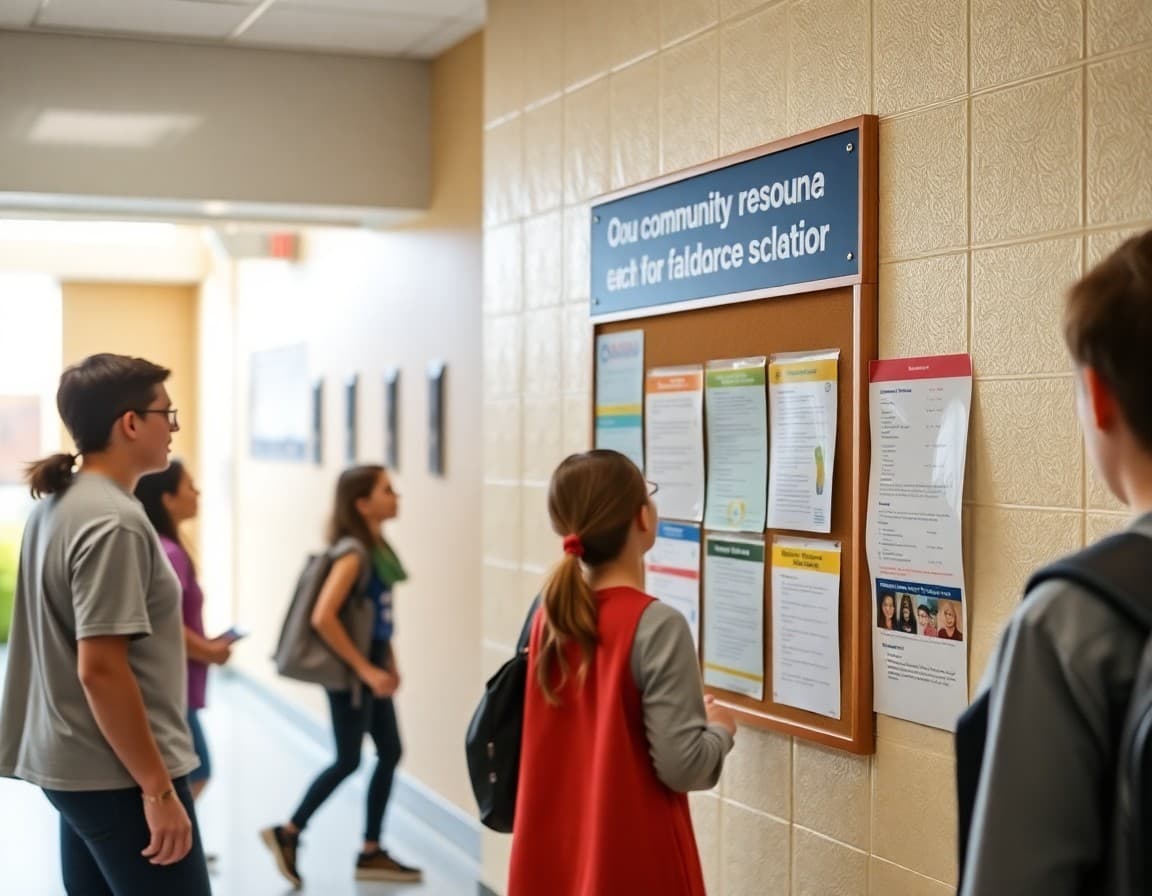
The principal newsletter is one of the most consistent communication channels a school has, and one of the most underused for connecting families to community resources. Families who receive a food bank address in a newsletter that also covers the upcoming science fair experience that information differently from families who receive it only when they are already in crisis. The newsletter normalizes help- seeking before the crisis arrives.
Frame resources as community information, not crisis response
The most common mistake in resource newsletters is framing assistance as something only struggling families need. This framing activates shame and stops the families who could benefit most from engaging.
The alternative is to include resources as consistent community information: 'Every family in our school community deserves to know what support is available nearby. We include these resources in our newsletter regularly so that when they are useful, you know exactly where to turn.'
Food access resources
Name at least two local options with addresses and hours:
- Local food bank or pantry: name, address, hours, whether documentation is required
- Community meal programs: any free or low-cost meal programs within reach
- School-based resources: whether the school has an emergency food pantry or connection to a district food program
Mental health and counseling resources
Include options for both adults and children:
- The 988 Suicide and Crisis Lifeline: 'Call or text 988 for free, confidential support, available 24 hours.'
- Local low-cost or sliding-scale counseling services
- School-based counseling referral path for students
- Parent-specific support groups or hotlines, if available locally
Housing and emergency assistance
Housing instability affects school attendance and academic performance more directly than almost any other factor. In the newsletter, include:
- Local emergency housing assistance contacts
- The school's McKinney-Vento liaison name and contact for families experiencing homelessness
- Utility assistance programs if available locally
Update the resources seasonally
Resources change. Hours shift. Programs end. Funders change. A standing resource section that is reviewed and updated each quarter is more useful than one that runs unchanged for three years. Note when the resource list was last updated so families know the information is current.
Daystage makes it easy to maintain a standing resource section across monthly newsletters and update it efficiently when contact information or program availability changes.
Get one newsletter idea every week.
Free. For teachers. No spam.
Frequently asked questions
How do I share community resources without making families feel targeted or stigmatized?
Frame the resources as information available to every family in the school community, not as assistance for struggling families. 'Every family goes through seasons that are harder than others. These resources are here for any family in our community who could use them.' Universal framing removes the shame barrier that stops families from accessing support they need.
Which community resources belong in the principal newsletter?
Food banks and pantries, mental health hotlines and low-cost counseling services, housing assistance and emergency shelter contacts, family literacy programs, childcare and after-school subsidy information, and domestic violence resources. These are the categories most likely to be relevant across the full range of families in any school community.
How specific should the resource information be?
Specific enough that a family can act on it the day they read it. Name, phone number, hours, whether walk-ins are accepted, language availability. A list of agency names without contact information is not actionable. The newsletter should give families everything they need to make the first call without additional research.
Should I include mental health resources for parents, not just for students?
Yes. Parent mental health directly affects student wellbeing. Normalizing mental health support for adults in the newsletter communicates that the school cares about the whole family, and gives parents permission to seek help for themselves.
What tool helps principals send newsletters efficiently?
Daystage makes it easy to maintain a standing resource section in the monthly newsletter that is updated seasonally and remains accessible to families who scroll back to previous issues.

Adi Ackerman
Author
Adi Ackerman is a former classroom teacher and curriculum writer with 8 years in K-8 schools. She writes about school communication, parent engagement, and what actually works in real classrooms.
More for Principals
Ready to send your first newsletter?
3 newsletters free. No credit card. First one ready in under 5 minutes.
Get started free