
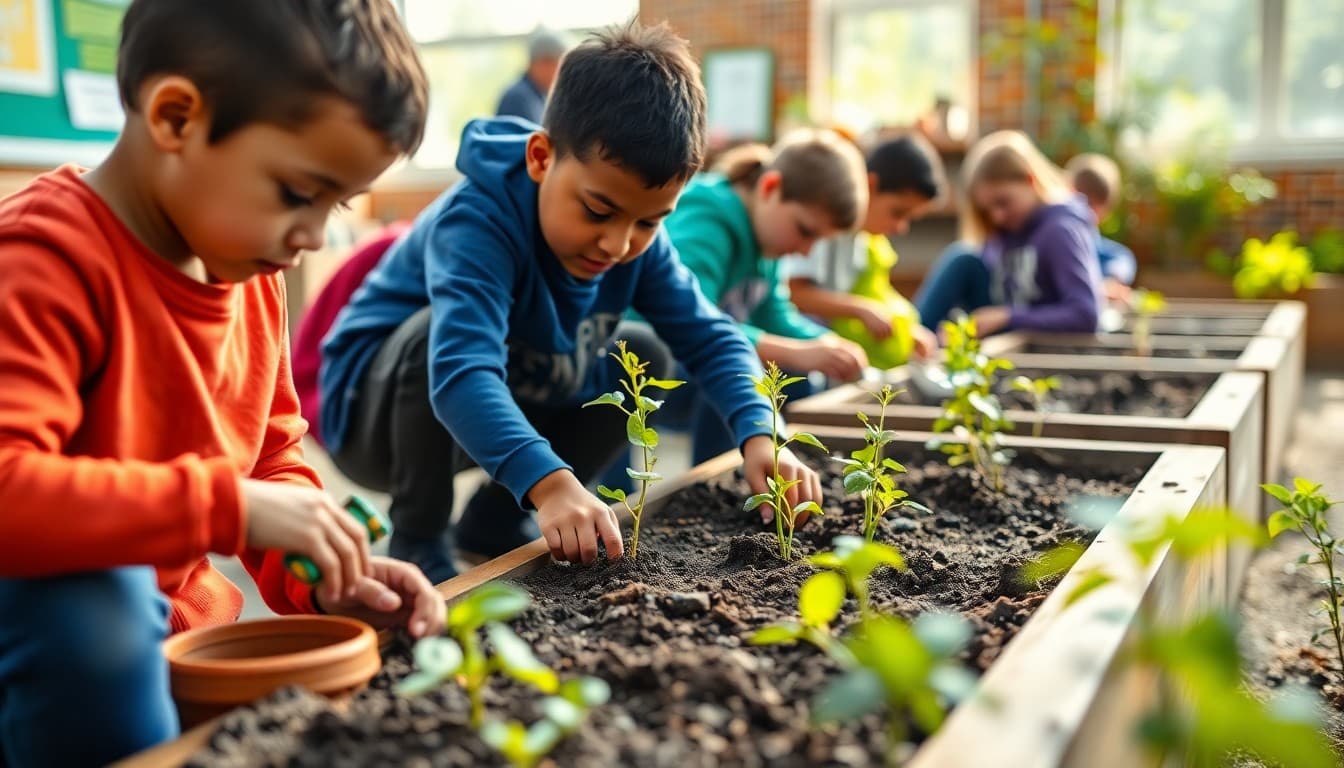
Announcing a School Community Garden in Your Principal Newsletter
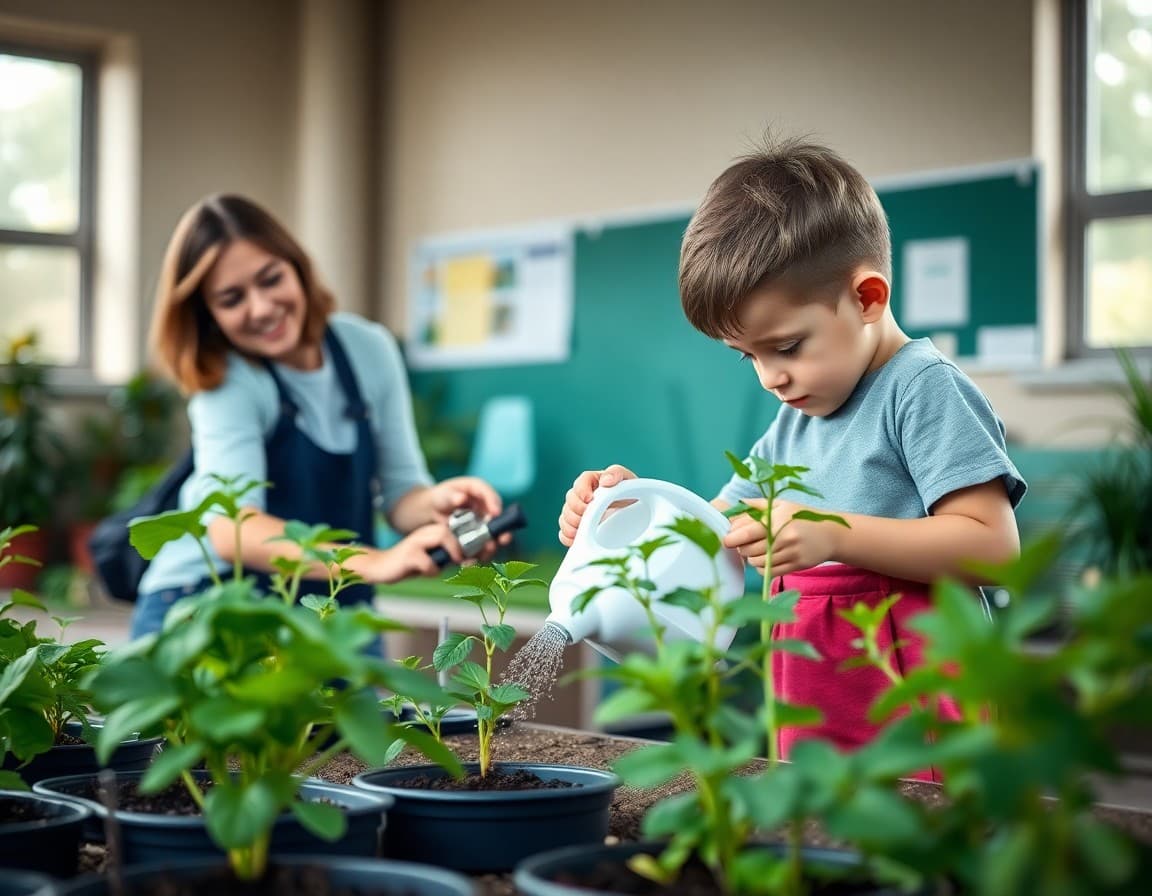
A school community garden is one of the most visible and lasting investments a principal can make in school culture. It connects students to the natural world, gives teachers a living classroom, involves families in physical school improvement, and produces results that families can see changing week by week. The launch newsletter is the first chance to build the community investment that makes the garden succeed.
Describe the vision, not just the project
Families respond to purpose more than to logistics. The launch newsletter should start with why the school is building this garden:
'Our school community garden will give students hands-on science instruction, grow fresh produce for our school lunch program, and create a space on campus where students, families, and staff work together toward something that takes time and care. We are building it because the research on outdoor learning, food literacy, and community connection consistently shows that students who garden do better academically and feel more connected to their school.'
Describe what students will actually do in the garden
The academic connection should be specific. Families who understand how the garden connects to classroom instruction see it as an investment in learning, not a hobby:
- Kindergarten and first grade: observing seed germination, measuring plant growth, and learning parts of a plant
- Second and third grade: studying the water cycle, composting as a decomposition lab, and plant life cycles
- Fourth and fifth grade: soil composition, photosynthesis, and pollinator studies
- Middle grades: ecosystem interdependence, data collection on plant growth variables, and connection to community food systems
Describe what families can contribute
The community garden succeeds with community investment. In the launch newsletter, name specific volunteer roles families can fill:
- Weekly watering rotation (15 minutes per family, once per month)
- Saturday work sessions for building and planting (dates listed)
- Donations of seeds, garden tools, or raised bed materials
- Expertise in gardening, landscaping, or irrigation
Describe what happens to the harvest
Families want to know what happens to what the garden grows. Plans that connect the harvest to the school community feel more meaningful than produce that ends up composted or unacknowledged:
Harvest can go to the school lunch program, a local food bank, a school-hosted family tasting event, or student-run garden stands. Name the plan in the newsletter. Families who see a clear purpose for the produce are more motivated to tend the garden.
Invite families to the first planting day
The launch newsletter should end with a specific invitation: the first planting day, its date and time, and what families should bring if anything. A clear first step converts newsletter readers into garden participants.
Daystage makes it easy to publish a garden progress newsletter each month, with photos and harvest updates, building the community investment that keeps the garden thriving beyond the first season.
Get one newsletter idea every week.
Free. For teachers. No spam.
Frequently asked questions
What should I include in a school community garden launch newsletter?
The vision for the garden, where it will be located on campus, how classes will use it, what families can contribute as volunteers, what students will grow and when, and how the harvest will be used. Families who understand the full scope of the project are more likely to invest time and enthusiasm in it.
How do I connect the garden to academic content in the newsletter?
By grade level and subject. 'Third graders will use the garden to study plant life cycles in science. Fifth graders will conduct soil composition experiments. Our kindergartners will observe seed germination as part of the life science unit.' Specific academic connections make the garden feel like instruction, not just an enrichment add-on.
How do I recruit parent volunteers for a school garden?
Name specific roles with specific time commitments. A family who knows they can contribute one Saturday morning per month to weeding and watering will sign up. A family who receives a general request to support the garden will not. Weekend volunteer sessions work better for working families than weekday availability.
How do I address families who are skeptical about a school garden?
With outcomes. Schools with active gardens show improved science literacy, increased fruit and vegetable consumption among students, stronger connection between school and community, and measurable improvements in outdoor physical activity. These outcomes belong in the launch newsletter as context for why the school is investing in this.
What tool helps principals send newsletters efficiently?
Daystage lets you include garden progress photos, volunteer schedules, and harvest updates in a consistent newsletter section that builds community around the garden project over time.

Adi Ackerman
Author
Adi Ackerman is a former classroom teacher and curriculum writer with 8 years in K-8 schools. She writes about school communication, parent engagement, and what actually works in real classrooms.
More for Principals
Ready to send your first newsletter?
3 newsletters free. No credit card. First one ready in under 5 minutes.
Get started free