

Principal Newsletter: Introducing Your College Counselor to Families
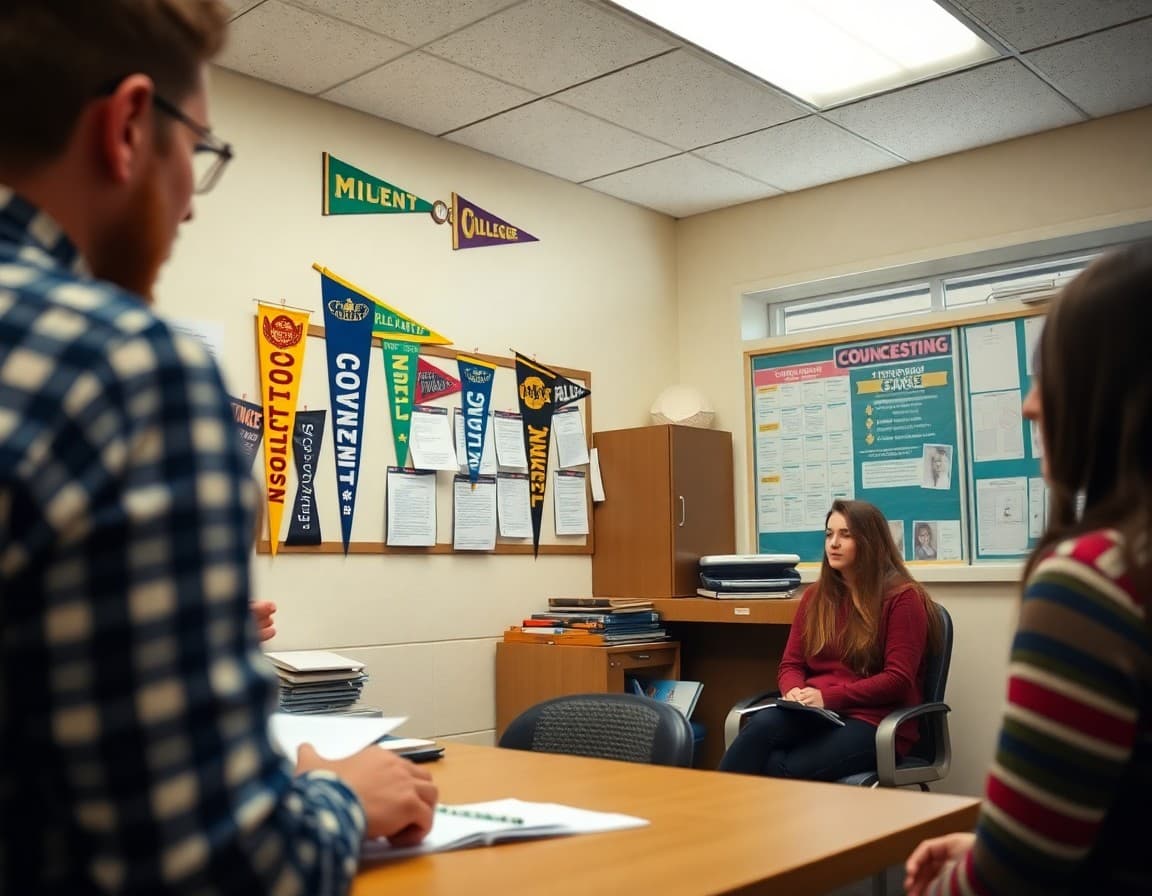
The college counselor introduction newsletter sets the foundation for a relationship that will guide students through one of the most consequential decisions of their young lives. It deserves more than a generic staff spotlight.
Who the Counselor Is
Name them, include a photo, and describe their background in a way that builds confidence. How long have they been doing this work? What experience do they bring with the types of schools and programs your students typically pursue? If they are a first-generation college graduate themselves, that is worth naming. If they previously worked in college admissions, say so. Families who understand the counselor's qualifications engage with their services more fully than families who receive a generic new staff member notice.
What the Counselor Offers and For Which Grades
Be specific about services. College exploration discussions for freshmen and sophomores. Junior year college list development and testing strategy. Senior year application support including essay guidance, recommendation letter coordination, and financial aid navigation. Regular check-in appointments, college visit coordination, and college fair attendance. If the counselor also runs specific programs like a college application boot camp or a FAFSA completion event, name those specifically. Families who know what is available use it.
The Four-Year Timeline
Demystify the process for families who are new to it. Freshman year: exploring interests, building academic foundation, extracurricular exploration. Sophomore year: course planning for college preparation, initial testing exposure, building the activity record. Junior year: SAT and ACT preparation, college research, building the list, requesting letters of recommendation in the spring. Senior year: applications, financial aid, decision. Families who see the process as a series of manageable steps are less anxious than families who see it as an overwhelming event that begins in September of senior year.
How to Schedule an Appointment
Include a direct booking link or phone number. Name office hours. Tell families whether students can self-schedule or whether families need to initiate contact. Tell them approximately how long appointments run and whether they are expected to bring specific documents. Remove every friction point between a family thinking they should meet with the counselor and actually booking the appointment.
A Note for First-Generation Families
If your school serves first-generation college-goers, include a paragraph directed specifically to them. Something like: if your family has not been through the college application process before, everything on this page is for you. The counselor's role is specifically to provide the guidance and information that other families receive informally. You do not need to already understand the process to start. That is what the counselor is here for. Removing the implicit assumption that families already know how college planning works significantly increases counselor engagement from first-gen families.
Using Daystage for Counselor Introduction Communication
Daystage makes it easy to build a counselor introduction newsletter with a photo, service description, four-year timeline overview, and an appointment booking link. You can send it to grade-specific family groups and track engagement so you know which families are engaging with the college planning resources.
Get one newsletter idea every week.
Free. For teachers. No spam.
Frequently asked questions
What should a principal newsletter introducing a college counselor include?
Describe the counselor's background and approach. Explain what services they offer and for which grade levels. Tell families how to schedule an appointment. Describe the college counseling timeline and what families can expect each year. Include the counselor's contact information prominently.
When should the college counselor introduction newsletter go out?
At the start of the school year for schools with dedicated college counselors. For schools where the school counselor handles college advising alongside other responsibilities, the newsletter can go out in October with the other back-to-school communications.
How do you write a college counselor introduction that reduces family anxiety about the process?
Be specific about the timeline. Families who understand that college planning is a multi-year process with clear milestones are less anxious than families who feel the process is urgent and opaque. Name what happens freshman, sophomore, junior, and senior year. Demystify the process from the beginning.
How do you introduce a college counselor in a school where most students are first-generation college-goers?
The introduction needs to do more work. Explain what college planning even means. Describe the FAFSA process and when it begins. Name the types of schools students can consider, not just four-year universities. Explain what the counselor can help with that families without college experience cannot provide themselves.
What tool helps principals send newsletters efficiently?
Daystage makes it easy to build a college counselor introduction newsletter with a counselor photo, service description, timeline overview, and appointment booking link in one polished communication.

Adi Ackerman
Author
Adi Ackerman is a former classroom teacher and curriculum writer with 8 years in K-8 schools. She writes about school communication, parent engagement, and what actually works in real classrooms.
More for Principals
Ready to send your first newsletter?
3 newsletters free. No credit card. First one ready in under 5 minutes.
Get started free