

Preparing Parents for an Accreditation Visit: Principal Newsletter Guide
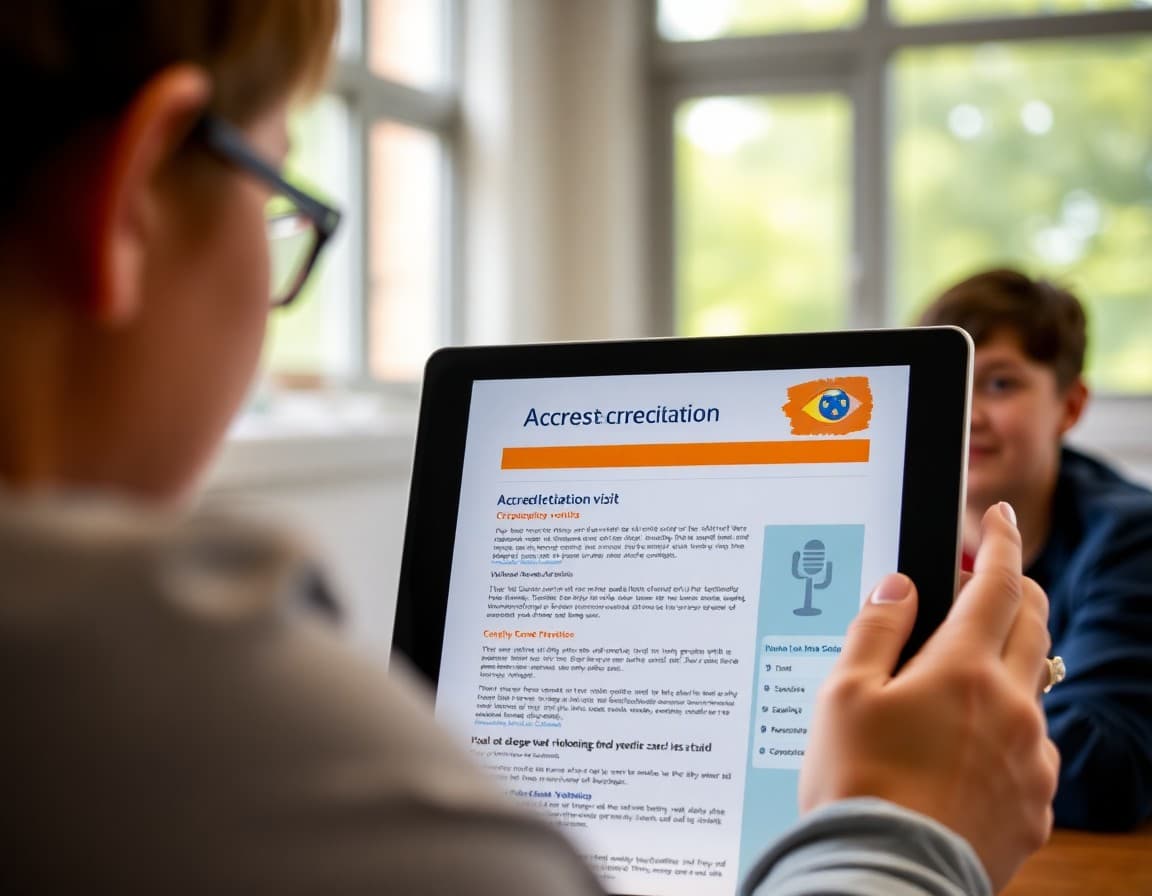
An accreditation visit is a significant event in a school's year, and families who understand what it is and why it matters are far better partners in the process than families who encounter strangers in the hallway and have no idea what is happening. A clear, confident newsletter about an upcoming accreditation visit serves multiple purposes: it informs families, invites their participation, and signals that the school is organized and proud of its work.
Explain What Accreditation Actually Is
Most families have a vague sense that accreditation is important but cannot explain what it involves. Start there: "Accreditation is an external review process that verifies a school is meeting quality standards in curriculum, instruction, leadership, and family engagement. Our school is accredited by [accrediting body], which conducts reviews every [X] years. Our next review is scheduled for [dates]." A family who understands what the process is will engage with it differently than a family who thinks it sounds like an audit of a failing school.
Describe What Reviewers Will Look At
Families are curious about what accreditation reviewers actually do during a visit. A brief description demystifies the process: "Reviewers will observe classrooms, meet with teachers and students, review school data and improvement plans, and speak with family and community members who choose to participate. They are looking at whether our school's practices align with our stated goals." Transparency about the process invites rather than discourages participation.
Invite Family Participation
If families have an opportunity to participate, explain it clearly and make the ask specific. "Families who would like to share their perspective with the review team can complete a brief survey at [link] by [date]. The survey covers topics like communication, school culture, and family engagement. Your input is valuable and confidential." Include a realistic time estimate for the survey so families know what they are committing to.
Communicate Your Confidence
A principal's tone in an accreditation newsletter shapes how families feel about the visit. Confident, specific language works better than cautious, hedging language. "Our school has been working toward this review for the past 18 months. Our teachers have been documenting their instructional practices, our data team has analyzed three years of student outcomes, and our improvement plan reflects the honest feedback we received in our last review." That kind of specific readiness communicates confidence without bravado.
A Template Excerpt for Accreditation Communication
"I want to give you a heads-up about an exciting milestone coming to our school. From March 10-12, a team of educators from [accrediting organization] will be visiting our building as part of our five-year accreditation review. This is a normal and important part of how good schools stay accountable. Reviewers will observe classrooms, review our school data, and speak with students, staff, and community members. If you would like to share your perspective on our school, please complete the family survey linked below by March 3. It takes about 10 minutes and your responses are confidential. We are proud of what our school has built, and we welcome this opportunity to demonstrate it."
Set Expectations for the Visit Week
Families should know that the accreditation week will look slightly different from a normal school week. Visitors in classrooms, additional meetings, and occasional schedule adjustments are all part of the process. "Students will see some new faces in classrooms during review week. Please reassure your child that this is a positive event: visitors are here to see the great work students do every day."
Share the Outcome When It Arrives
Close by committing to a follow-up communication: "We expect to receive a preliminary report from the review team within 30 days of the visit. We will share the key findings with our community as soon as we receive them." That commitment signals that the accreditation process is not something that happens to the school and disappears. It is a continuous loop that includes families.
An accreditation newsletter that is confident, clear, and inviting positions the school as a place that welcomes scrutiny because it does good work. That is exactly the message families should carry into the visit.
Get one newsletter idea every week.
Free. For teachers. No spam.
Frequently asked questions
Should principals inform families about an upcoming accreditation visit?
Yes. Families who are aware of an accreditation visit are less likely to be surprised by visitors in the building, more likely to respond positively if approached for a survey or brief conversation, and better prepared to support the process. A principal who communicates proactively about an accreditation visit also signals confidence in the school's performance.
What should a newsletter about an accreditation visit include?
Include what accreditation is, who the accrediting body is, when the visit is scheduled, what reviewers will be looking at, whether families may be asked for input, and what the outcome of the visit means for the school. Keep explanations accessible and avoid overusing acronyms or bureaucratic language.
How do I communicate an accreditation visit without alarming families?
Frame it accurately: an accreditation visit is a normal part of school quality review, not an investigation. Use confident language: "We have been preparing for this visit for the past year and are proud of the work our school does." Do not over-explain or hedge. A principal who sounds nervous about the visit makes families nervous about the visit.
Should I ask families to participate in the accreditation process?
If your accrediting body uses family surveys or interviews, yes. Give families enough notice to participate, explain what the survey covers, and make clear that their honest input is valued. Accreditation bodies take family perspectives seriously, and higher response rates generally reflect well on a school's community engagement.
What tool helps principals send professional communications about accreditation visits?
Daystage is a good fit for accreditation newsletters because it allows you to create a well-structured, professional message quickly. For something as important as an accreditation communication, having a clean layout and reliable delivery matters. You can also schedule the message to go out at the optimal time, such as three weeks before the visit, without adding it to your already-packed task list.

Adi Ackerman
Author
Adi Ackerman is a former classroom teacher and curriculum writer with 8 years in K-8 schools. She writes about school communication, parent engagement, and what actually works in real classrooms.
More for Principals
Ready to send your first newsletter?
3 newsletters free. No credit card. First one ready in under 5 minutes.
Get started free