
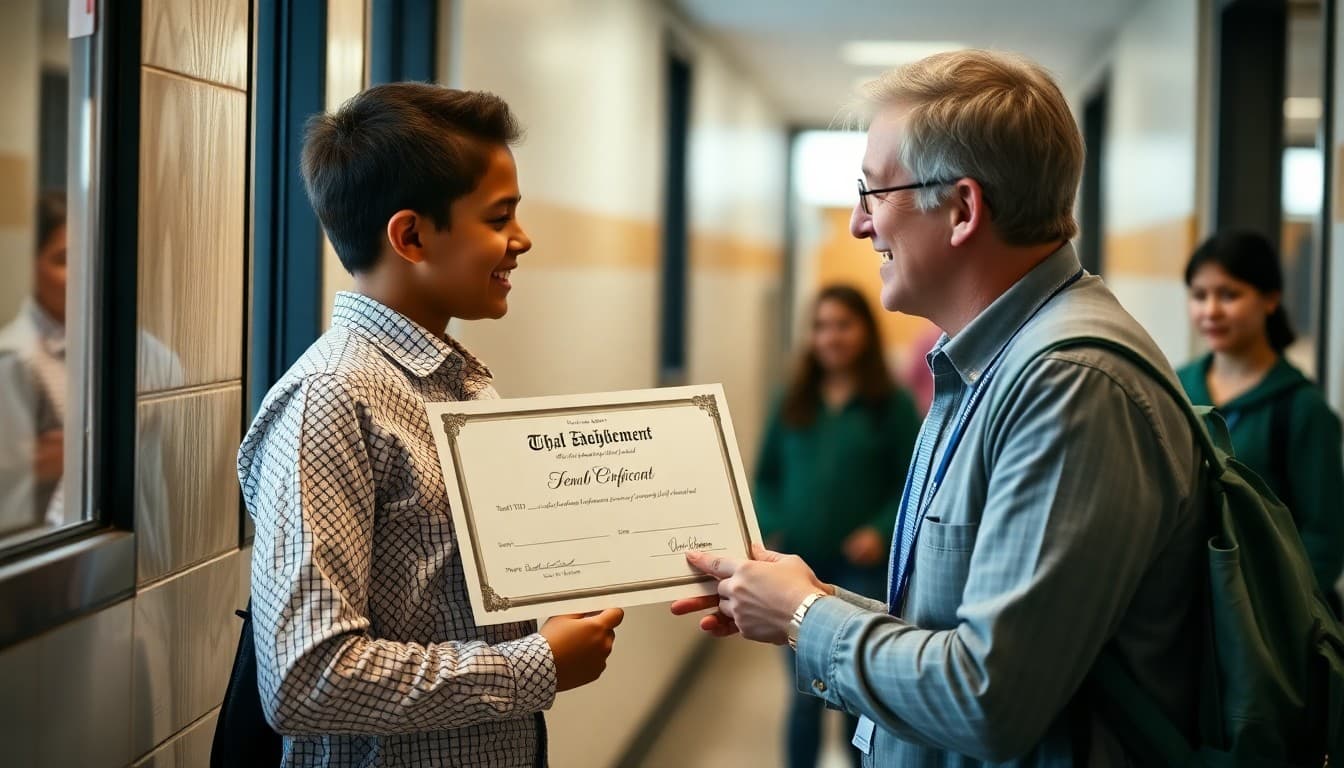
Principal Newsletter: Academic Recognition Programs That Build School Culture
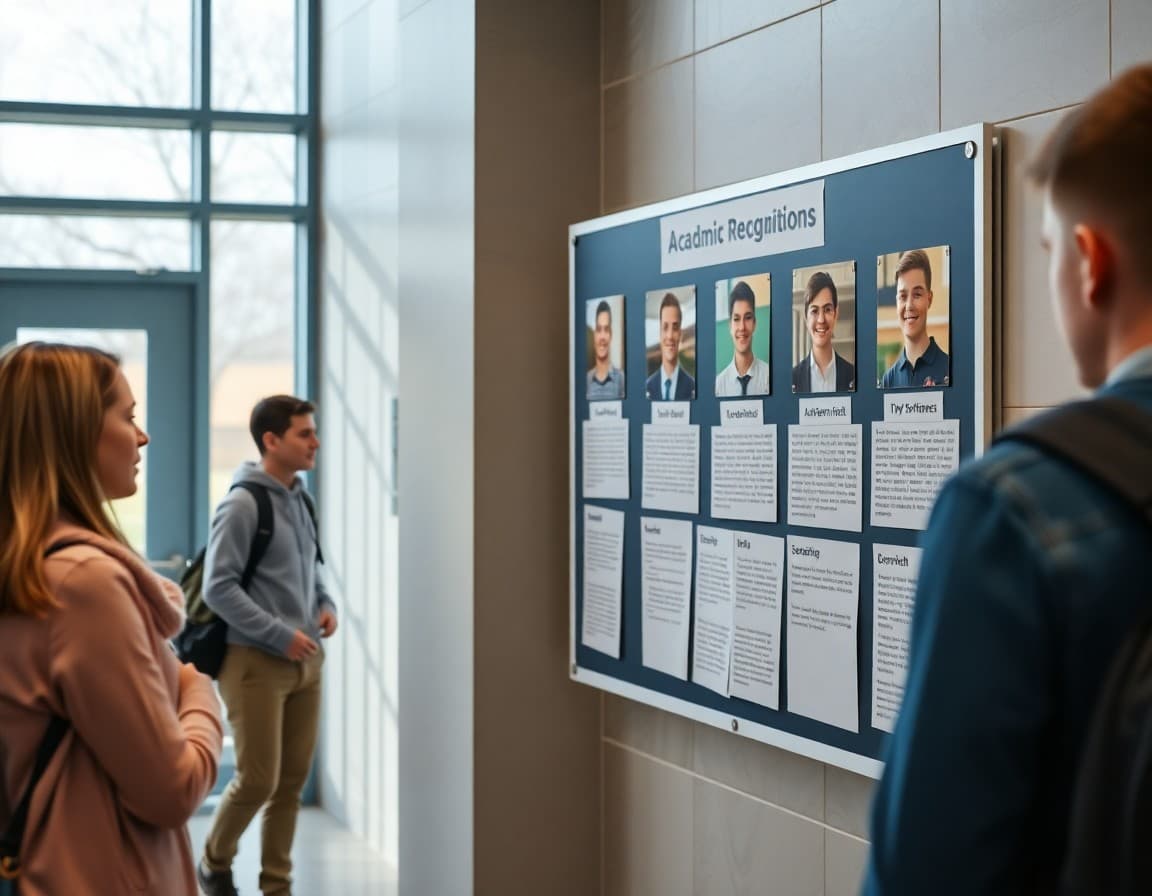
Academic recognition programs shape school culture in ways that few other practices do. Who you recognize, what you recognize them for, and how you communicate that recognition tells every student and family what the school actually values.
Recognition Categories That Go Beyond GPA
Honor roll is the baseline. Most schools have it. The schools that build the strongest academic cultures also recognize growth, effort, attendance, academic courage, and subject-specific distinction. A student who jumped two reading levels in one semester deserves recognition regardless of whether they are at grade level. A student who attended school every day despite significant life disruption deserves recognition alongside the student with a 4.0. The newsletter is where you can name all of these categories and make visible what the school considers worth celebrating.
How Recipients Are Selected
Tell families how the selection works. Is it teacher-nominated? Data-driven? Both? Families who understand the criteria feel more confident that the process is fair and that their child's specific strengths are being seen by the adults who make these decisions. Transparency also protects the school when families question why their child was or was not selected.
Naming Recipients
Name as many students as you can while respecting privacy preferences. Many students love seeing their name in print. Some do not. A brief check with classroom teachers about which students would appreciate the recognition and which would find it uncomfortable is worth the fifteen minutes it takes. Defaulting to naming everyone without that check occasionally produces a response you did not anticipate.
Connecting to Academic Goals
The recognition newsletter is the place to connect individual achievement to school-wide academic goals. If your school is working on increasing reading proficiency, the recognition of students who made significant reading gains is evidence that the goal is real and that students are achieving it. That connection makes the recognition newsletter a data communication and a celebration simultaneously.
What Recognition Does for Non-Recipients
This is a question worth addressing directly in the newsletter. Every student who did not receive recognition this time is reading about students who did. The categories you chose and the language you used either invite every student to see themselves in the school's recognition framework or they do not. Naming the criteria publicly gives every student a path to recognition they can work toward. That is the difference between a culture-building recognition program and one that simply restates the existing hierarchy.
Using Daystage for Academic Recognition
Daystage makes it easy to build a recognition newsletter with student names, recognition categories, and a message from the principal that connects the achievement to school values. You can send a school-wide version and a personalized congratulations to specific family groups. Tracking engagement shows you which families are reading the recognition communications and which may need a more direct outreach to feel connected to school achievements.
Get one newsletter idea every week.
Free. For teachers. No spam.
Frequently asked questions
What should a principal newsletter about academic recognition programs include?
Describe the recognition categories and how students are selected. Name specific recipients or acknowledge recipient groups by classroom or grade. Connect recognition to the school's academic values. Invite families to attend any related events.
How do you design academic recognition that goes beyond the honor roll?
Create categories for growth, attendance, effort, community contribution, and subject-specific distinction. The honor roll captures students who already perform at the top. Growth awards, most improved, and participation recognition capture students who are working hard regardless of their current performance level. Both matter.
How do you avoid public recognition that embarrasses students who struggle academically?
Keep individual recognition affirmative. Never publish rankings that place students in a visible performance hierarchy. Design categories that are achievable for students at multiple performance levels. Check with classroom teachers about how specific students respond to public recognition before naming them.
How often should a principal send academic recognition newsletters?
Once per quarter or semester is a common cadence. Tie recognition newsletters to natural assessment checkpoints. Consistency makes recognition feel like a school value rather than a special event that happens when someone remembers to plan it.
What tool helps principals send newsletters efficiently?
Daystage lets you build a polished academic recognition newsletter with student names, recognition categories, and a personal message from the principal. You can track family engagement and send personalized congratulations to specific families.

Adi Ackerman
Author
Adi Ackerman is a former classroom teacher and curriculum writer with 8 years in K-8 schools. She writes about school communication, parent engagement, and what actually works in real classrooms.
More for Principals
Ready to send your first newsletter?
3 newsletters free. No credit card. First one ready in under 5 minutes.
Get started free