
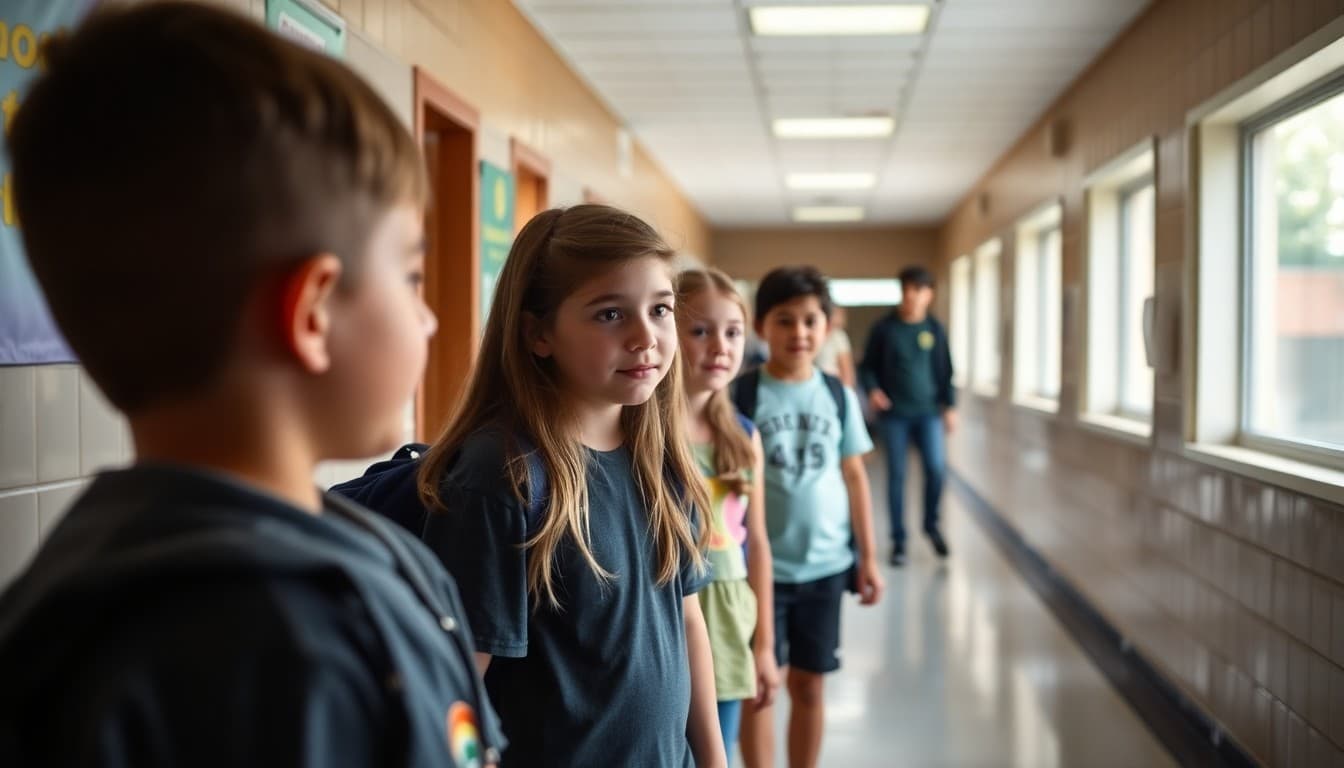
Principal Newsletter for 7th Grade Transition: What Families Need
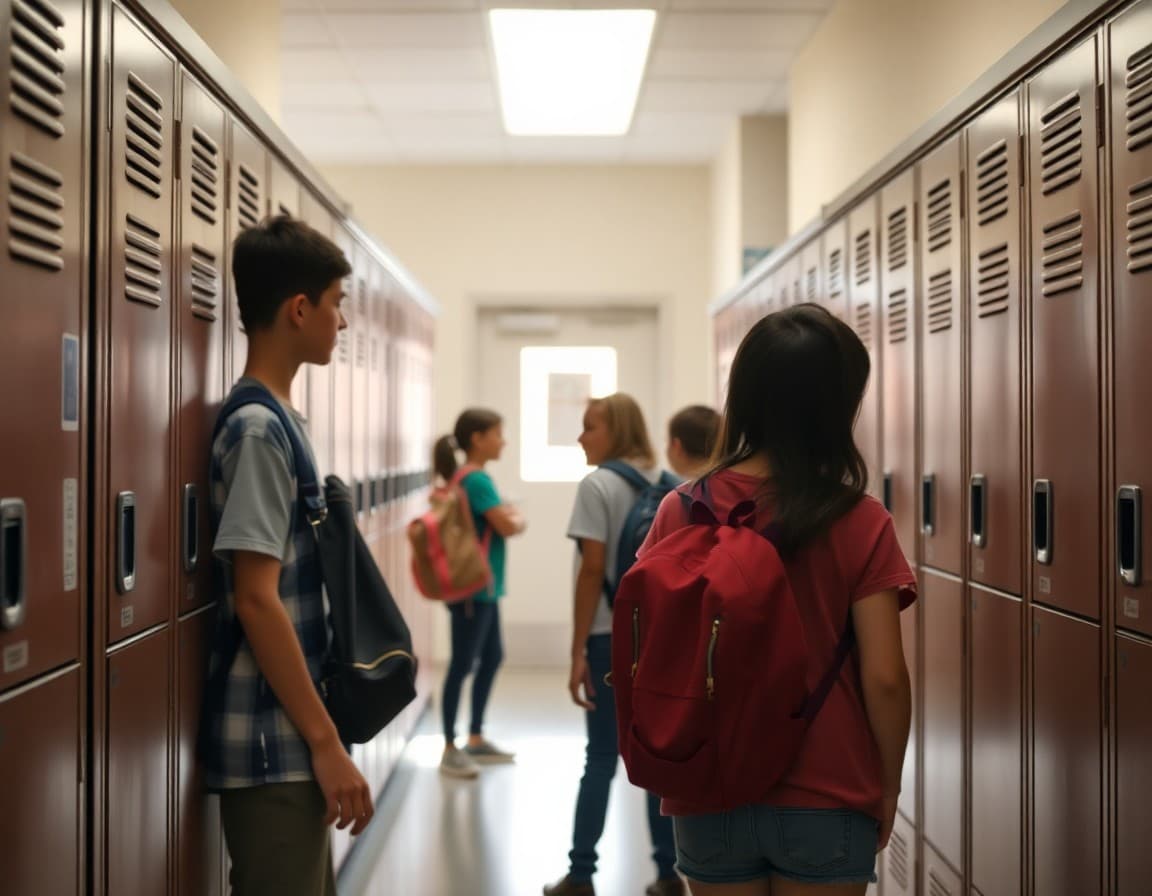
The move to 7th grade is one of the bigger transitions in a student's school career. Class changes, lockers, multiple teachers, a bigger building, and a different social landscape all arrive at once. Your newsletter is the advance preparation that makes the first week feel manageable instead of overwhelming.
What Is Actually Different in 7th Grade
Tell families specifically what changes. If 6th grade was mostly one teacher and 7th involves six or seven, name that. If the building is larger with more hallway traffic between periods, describe it. If homework expectations change or grading systems shift, explain how. Families who understand the concrete differences are better positioned to prepare their students than families who are just told that middle school is a transition.
Orientation Events and Schedule
Name every event designed to ease the transition. A building tour, a locker practice day, a schedule walk-through, an orientation assembly, or a meet-the-teacher night should all appear with dates, times, and what students should bring. Tell families whether students attend separately from parents and what each event accomplishes. Orientation is not required everywhere, so some families will skip it if they do not understand why it matters.
Introducing Key Staff
Name the teachers your incoming 7th graders will see most often. Include the school counselor and explain their role. If your school has an advisory teacher or homeroom model, explain that specifically. Families who know who their child will interact with daily feel less anxious than those arriving to a building full of strangers.
The Social Reality of 7th Grade
You can acknowledge it without dramatizing it. Something like: 7th grade is when peer relationships get more complicated for a lot of students. We take that seriously. Here is how our counseling staff and advisory program support students through that. Then describe the specific support structures. Do not promise that social difficulties will not happen. Promise that the school has thought about them and has systems in place.
Academic Expectations
If grading policies change between 6th and 7th grade, explain them. If students will have more independent work, longer project timelines, or higher stakes assessments, say so. Tell families what organizational tools students are expected to use, whether that is a planner, an app, or a binder system. This is especially important for families of students who struggled organizationally in elementary or middle school.
Logistics That Matter Most
Drop-off and pick-up changes, bus routes if the building is different from elementary school, lunch procedures, and cell phone policy all belong in this newsletter. If families have been communicating informally with elementary teachers for years and your middle school has a different policy about parent contact, name that too. The communication culture shift often surprises elementary families more than the building itself.
Using Daystage for Transition Newsletters
Daystage makes it easy to build a series of transition newsletters that build on each other as the school year approaches. You can address one topic per communication and track which families are opening and engaging. A follow-up to families who have not opened the transition series before school starts can close the information gap before the first day arrives.
Addressing Student Anxiety Directly
Some of your incoming 7th graders are reading your newsletter. Write one section for them. Use direct address and keep the language accessible. Tell them what you know about where they are in this transition and what the school will do to help. Students who feel seen by their principal before they arrive are more likely to seek help when they need it.
Get one newsletter idea every week.
Free. For teachers. No spam.
Frequently asked questions
What should a principal newsletter about the 7th grade transition include?
Cover the orientation schedule, class change procedures, locker assignments, and what is different about 7th grade from 6th. Introduce key staff. Address social concerns like making new friends and navigating a larger building. Include a calendar of transition events.
When should the 7th grade transition newsletter go out?
Start communicating in late spring before the school year ends. A series of two or three newsletters leading up to the first day works better than a single comprehensive document. The last one should go out the week before school opens.
How do you address middle school social anxiety in a principal newsletter?
Name it directly. Something like: we know the social landscape of 7th grade feels more complicated than elementary school. Then describe specific things the school does to support social connection, like advisory periods, orientation activities, and counselor availability. Concrete support descriptions are more reassuring than general encouragement.
How is the 7th grade transition different from the kindergarten transition?
Both involve navigating a new environment, but 7th grade adds academic complexity, social hierarchies, and adolescent identity development. Newsletters for this transition need to address academic expectations more directly and be written at a level that the student can also read, not just the parent.
What tool helps principals send newsletters efficiently?
Daystage lets you build a structured transition newsletter with a schedule of orientation events, staff introductions, and logistical details. You can send it to incoming 7th grade families specifically rather than your whole school community.

Adi Ackerman
Author
Adi Ackerman is a former classroom teacher and curriculum writer with 8 years in K-8 schools. She writes about school communication, parent engagement, and what actually works in real classrooms.
More for Principals
Ready to send your first newsletter?
3 newsletters free. No credit card. First one ready in under 5 minutes.
Get started free