
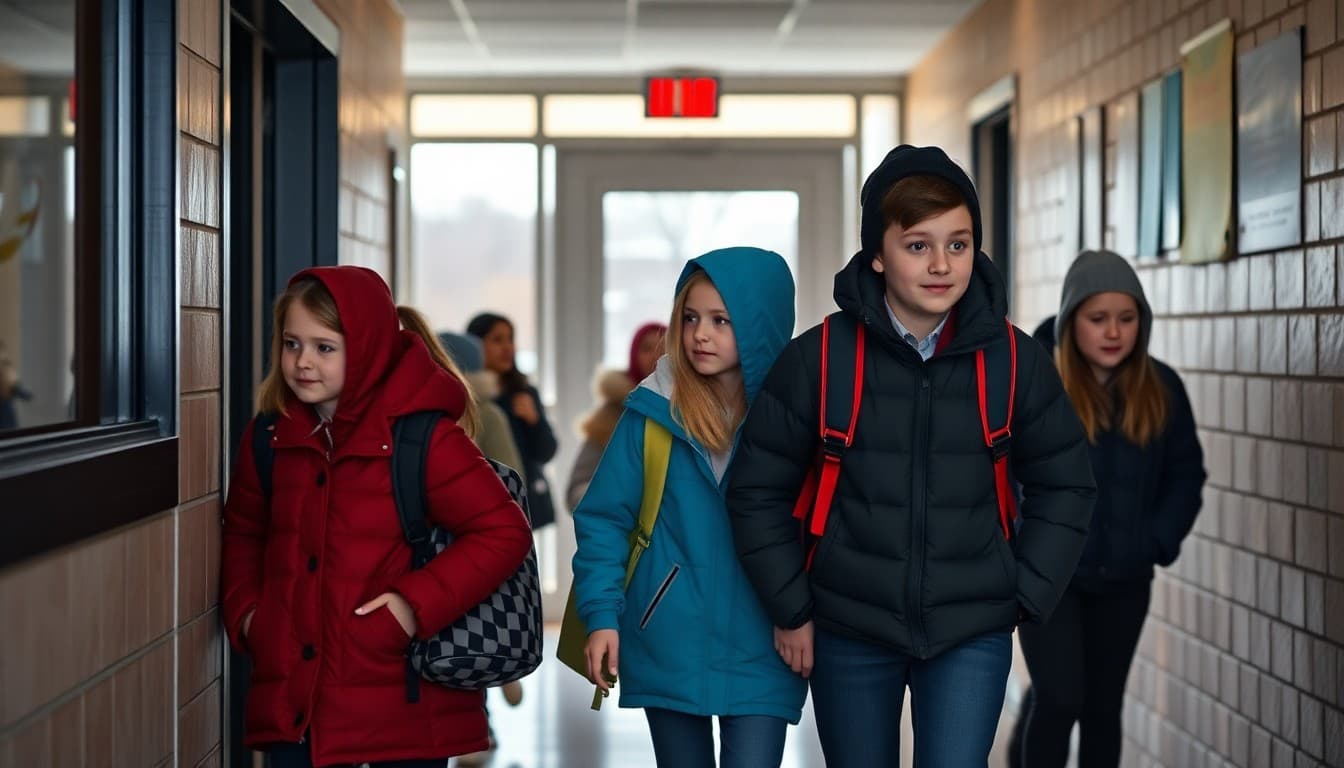
January Middle School Newsletter Template
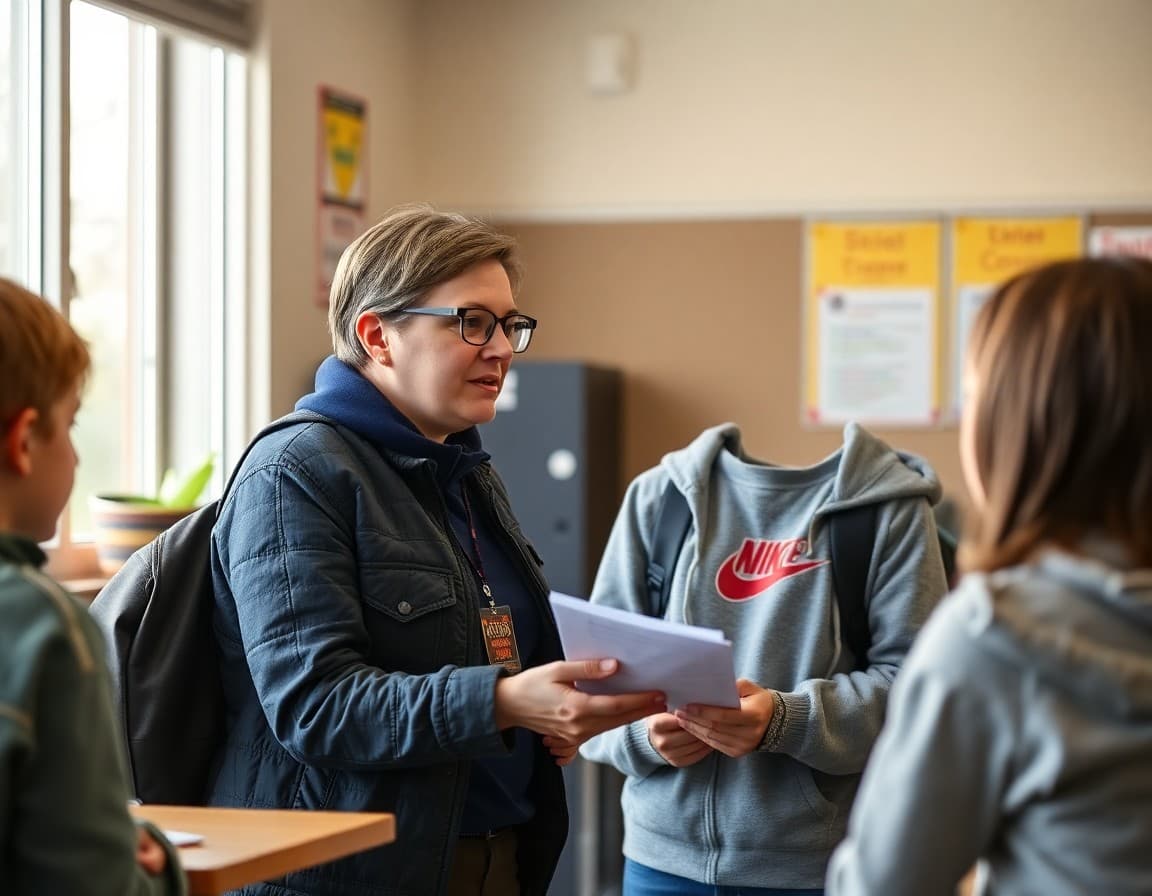
January at the middle school level brings a different challenge than at the elementary level. Middle schoolers came back from break with varying degrees of readiness. Some are reset and motivated. Others discovered over break that they liked not being in school. A January newsletter that speaks directly to the realities of this age group serves both students and families better than one that treats all families as equally enthusiastic.
Open With an Honest Read on January
Middle school families appreciate a principal who speaks plainly. “January is one of those months that requires real focus from students, and we're going to need families as partners in establishing that focus” is more useful than a cheerful back-from-break message. Name the reality, then pivot to what the school is doing about it.
Announce Second-Semester Course or Schedule Changes
Many middle schools run semester-based schedules that shift in January. New electives, changed lunch periods, different homerooms. Communicate these changes explicitly and give families a channel to ask questions if something seems wrong. A student who shows up in the wrong class on the first day of second semester because the schedule change was unclear has a bad day for no reason.
Preview Eighth Grade High School Planning if Applicable
If your school has eighth graders, January is the start of high school planning season. A brief mention of the timeline, any family information nights scheduled, and how to start the conversation with a school counselor gives families enough to act on without overwhelming the newsletter. This section matters more than most principals realize; families who feel informed about the high school transition are significantly less anxious about it.
Address Testing Season for Middle School Grades
State testing for middle school grades often runs from March through May. A January preview of the testing calendar, presented as factual planning information rather than pressure, helps families manage their own schedules. Include which grades are tested, what subjects, and approximately when. The full communication will come closer to the date; January is for planting the dates.
Share a Second-Semester Academic Focus
“Second semester at [School Name] brings a stronger focus on [writing across subjects / applied math / independent research / project-based learning]. Here is what that means for your student and one thing you can do at home to support it.”
One specific focus with one actionable home connection is more useful to middle school families than a comprehensive academic overview.
Include a Social-Emotional Learning Note
Middle school families are often navigating parallel social challenges at home that they do not know how to connect to school support. A paragraph about your counseling team, what services are available, and how families can request support gives parents a path forward without requiring them to identify a specific problem. Low-barrier language like “if your student seems to be struggling with motivation or social stress, a conversation with their counselor is a good starting point” reaches families who need it.
Close With One Community-Building Element
Middle school parents have fewer natural in-person touchpoints than elementary parents. A brief mention of an upcoming family event, a volunteer opportunity, or even a coffee hour with the principal in January gives families a way back into the community. The families who show up for these low-key events tend to become your most reliable year-round community members.
Keep the January Middle School Newsletter Tight
Middle school families read less of their newsletters than elementary families. Shorter, more focused, and more specific sends perform better. Daystage lets you build a January template that hits the essential topics without sprawl, and saves it for next January when the same structure will serve you again.
Get one newsletter idea every week.
Free. For teachers. No spam.
Frequently asked questions
What makes January middle school newsletters different from elementary newsletters?
Middle school families are dealing with students who communicate less about school, are navigating social complexity alongside academics, and are often beginning to look ahead toward high school planning. January newsletters at the middle school level should address second-semester course selections, any social-emotional programming coming up, and academic expectations in a tone that respects both the students' growing autonomy and the parents' continued need to be informed.
Should January middle school newsletters mention high school course planning?
If you have eighth graders, yes. January is when many districts begin the conversation about ninth grade course selection. A brief note about the timeline, any family information nights planned, and who to contact with questions is appropriate. Giving families advance notice reduces the anxiety that comes from feeling like they discovered important information late.
How do I re-engage middle school families who have drifted from reading newsletters?
January is a natural re-entry point. Acknowledge the break, preview something new and specific coming in the second semester, and keep the newsletter shorter and more focused than your fall issues. Middle school parents who feel like the newsletter has relevant, actionable information are more likely to open the next one. Generic updates about school spirit weeks do not bring people back.
What attendance patterns should middle school principals address in January?
January attendance issues tend to be different from fall issues. Some students return from break with a reset and are re-engaged. Others fall into patterns of avoidance that become harder to address as the semester progresses. A brief paragraph about how to recognize and respond to attendance concerns at home, framed supportively, is useful for middle school families.
What tool helps middle school principals maintain consistent family communication?
Daystage is used by middle school principals to keep families connected at an age when students are less likely to carry information home reliably. A monthly newsletter through Daystage ensures that families hear directly from school leadership regardless of what their student reports over dinner.

Adi Ackerman
Author
Adi Ackerman is a former classroom teacher and curriculum writer with 8 years in K-8 schools. She writes about school communication, parent engagement, and what actually works in real classrooms.
More for Principals
Ready to send your first newsletter?
3 newsletters free. No credit card. First one ready in under 5 minutes.
Get started free