

February Middle School Newsletter Template
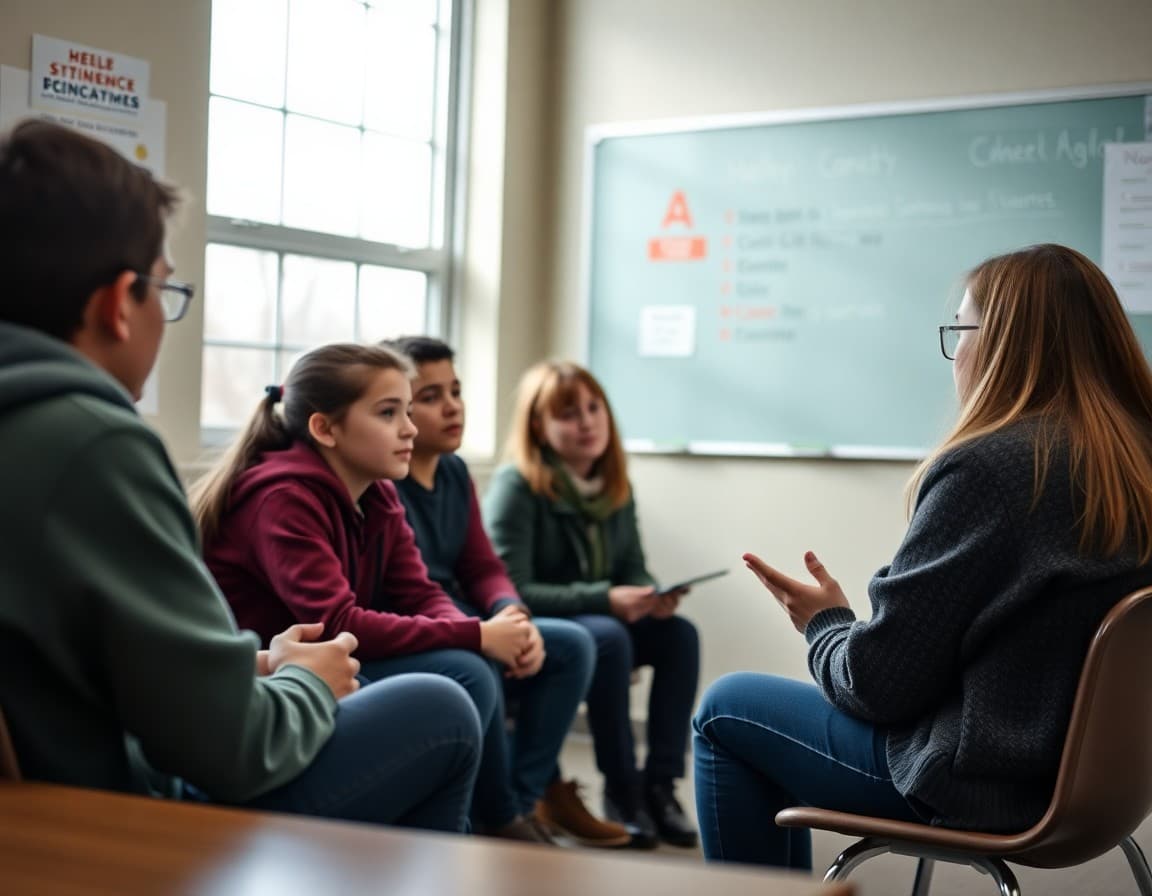
February middle school newsletters face a specific challenge: students at this age are old enough that families sometimes feel less needed, but young enough that the choices made this year have real consequences for their academic trajectory. A good February newsletter bridges that gap by giving families relevant information at the right level.
Cover Black History Month With Age-Appropriate Depth
Middle school students are ready for substantive engagement with Black History Month content. Describe what your curriculum is covering: the specific texts being read, the historical periods under examination, the debates students are having in class. A paragraph on what sixth graders are studying and a separate paragraph on eighth grade content gives families grade-specific information they can use to extend the conversation at home.
Provide a Mid-Year Academic Check-In
February is a good moment for families to assess where their middle schooler stands academically before the spring stretch. Include a link to the grade portal, a brief description of how to read second-semester progress, and who to contact if a family has concerns. The families who use this information are the ones who catch problems early enough to address them.
Acknowledge Valentine's Day at the Middle School Level
Middle school Valentine's Day dynamics are different from elementary. Rather than a party policy, address the social-emotional reality: it is a day that can be joyful for some students and difficult for others. A brief paragraph about how your school creates an inclusive environment on February 14th, and how families can support students who find the day socially challenging, is more relevant to this age group than a candy distribution policy.
Preview Spring Testing for Affected Grades
Middle school testing windows are typically in March through May. A February preview gives families enough time to support preparation at home without starting so early that they lose track of the timeline. Include which grades are tested, the subjects, and your school's approach to preparation. One paragraph is enough for February. The full communication comes in March.
Address Student Wellbeing in the Mid-Year Stretch
“Mid-year is a stretch that requires real effort from students and support from home. If you are noticing changes in your student's energy, motivation, or attitude toward school, our counseling team is a good first contact. [Name], our school counselor, can be reached at [email] or by stopping by the main office.”
Naming the counselor specifically and providing direct contact information increases the likelihood that families act on this invitation.
Highlight a Middle School Academic or Extracurricular Win
By February, your school has real accomplishments to celebrate: a student in a regional competition, a class project that produced something outstanding, a student government initiative that made a difference in the building. One specific recognition per newsletter keeps the community engaged in the school's story and gives families something positive to share with their students.
Note the February Calendar
Presidents Day closure, any teacher work days, early release schedules, and any February family events all belong in a clearly formatted calendar block. Middle school families are managing more complex household schedules than elementary families. Precise dates in a scannable format are appreciated.
Use a Consistent Platform Families Recognize
Daystage gives your February middle school newsletter a consistent format that families build a habit of reading. Monthly consistency at the middle school level, where engagement often dips, is one of the most effective things a principal can do to maintain family connection through the full school year.
Get one newsletter idea every week.
Free. For teachers. No spam.
Frequently asked questions
What topics belong in a February middle school newsletter?
Black History Month programming with specifics about what students are studying, mid-year academic check-ins and how to access grade reports, spring testing calendar preview, any social-emotional programming coming up, February calendar including Presidents Day and any early releases, and a note about supporting students through the mid-year academic stretch.
How should middle school principals approach Black History Month in the newsletter?
Middle school students are engaging with more complex material than elementary students: primary sources, structural analysis, community impact. Describe what your specific courses and grades are doing. A vague statement about honoring Black History Month is forgettable. A sentence about what your seventh graders are reading and what questions they are debating in class gives families context and conversation material.
How do I communicate mid-year academic standing to middle school families?
Reference how families can access current grades through your student portal and include a brief description of what second-semester academic expectations look like. Middle school is the period when study habits and self-advocacy skills become critical. Framing the mid-year check-in as a conversation starter rather than a report card moment encourages proactive engagement from both families and students.
How do February middle school newsletters address student mental health?
February is a particularly difficult month for middle schoolers: social pressures, academic demands, and Valentine's Day dynamics all coincide. A brief paragraph noting that your counseling team is available and how families can request support is worth including. Normalize the request rather than framing it as crisis response.
What features in Daystage work well for middle school family newsletters?
Daystage lets middle school principals embed event details, grade portal links, and counseling resources all in a single organized newsletter. The consistent formatting means families build a habit of opening it each month, which is particularly valuable at the middle school level where parent engagement tends to drop compared to elementary.

Adi Ackerman
Author
Adi Ackerman is a former classroom teacher and curriculum writer with 8 years in K-8 schools. She writes about school communication, parent engagement, and what actually works in real classrooms.
More for Principals
Ready to send your first newsletter?
3 newsletters free. No credit card. First one ready in under 5 minutes.
Get started free