
Middle School Principal Newsletter: What to Send in July
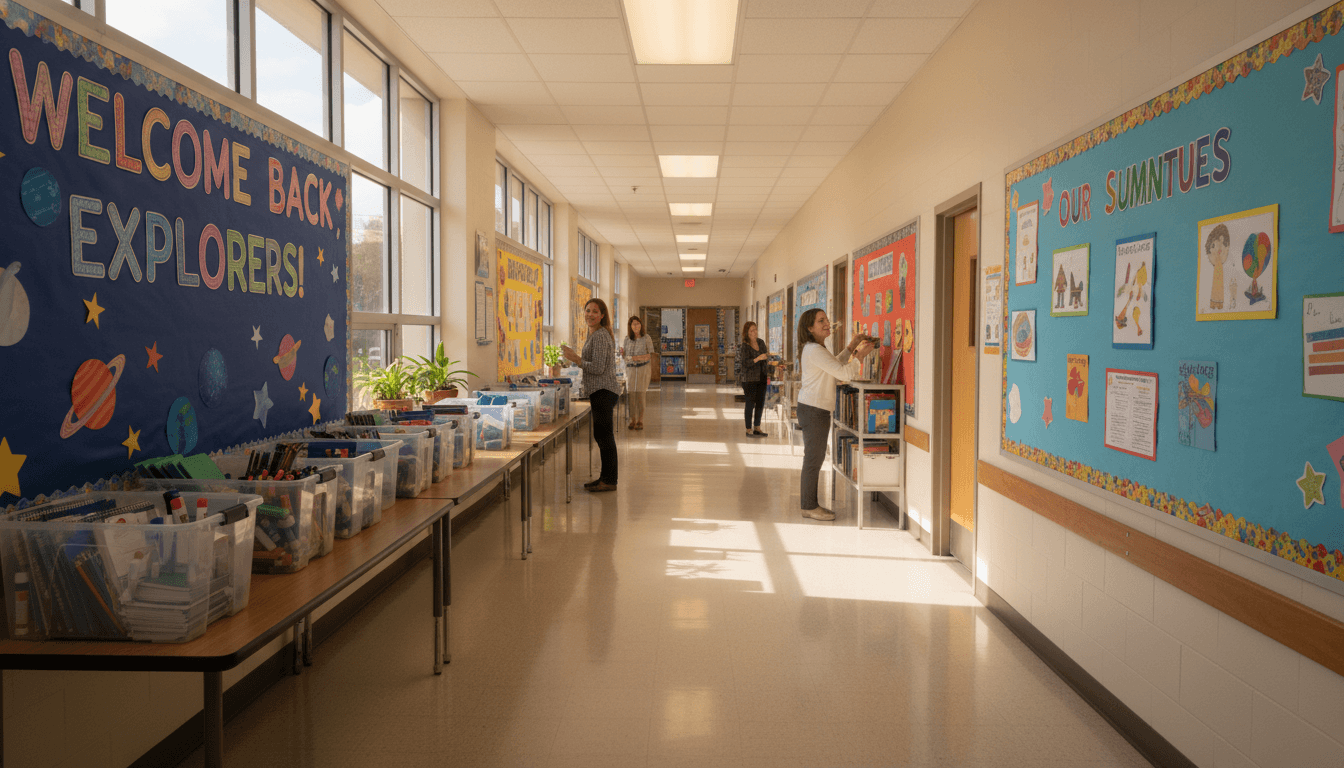
July is an optional month for principal newsletters, but it is one of the more impactful ones if you have real information to share. Families who receive a clear back-to-school preview in July arrive in August with less anxiety and more preparation than families who hear nothing until the week before school starts. The bar for a July newsletter is simple: if you have three or more updates that are genuinely useful to families right now, send it. If you do not, wait for August.
The tone here is different from the school-year standard. Families are in summer mode. Keep it warm, practical, and shorter than a typical newsletter. Give them what they need and let them get back to their summer.
Back-to-school timeline: what happens when
The most useful thing a July newsletter can do is give families a clear timeline for what to expect before the first day of school. When does schedule pickup happen? Is there an orientation for new students? What is the first day of school? What time do doors open? Families who are planning end-of-summer travel, childcare transitions, and work schedules need these dates as early as possible.
If any of these dates are still being confirmed, say so and give a target date for when families can expect the information. An honest "we will confirm orientation dates by August 1st" is more useful than silence.
Welcoming incoming 6th graders early
If your July newsletter reaches incoming 6th grade families, address them directly. The transition from elementary to middle school is significant, and a note from the principal in July that says "we are looking forward to welcoming you" goes a long way before families have ever visited the building.
Include anything concrete you have for incoming 6th graders: an orientation date, a schedule pickup event, a list of what to bring on the first day. If the orientation is not confirmed yet, a brief note about what it will look like and roughly when to expect details is still useful.
New staff introductions
July is an excellent time to introduce new teachers or staff members joining your school in the fall. Families and students who learn a teacher's name and a detail or two about them before the school year starts arrive with more readiness and less unease. Keep each introduction brief: name, subject or role, a line about background, and a line about what they are excited to bring to the school.
If a new teacher wants to include a short personal note or a favorite book or project idea, let them. Those small personal details are what families actually remember and mention to their students over dinner.
Supply list: share it now if you have it
If your grade-level supply lists are confirmed for the fall, share them in July. Families who receive supply lists early have more time to shop gradually and look for deals rather than scrambling at back-to-school sales in late August. If the lists vary by teacher and are not finalized yet, say when families can expect them and where to find them when they are posted.
A note about what is provided by the school versus what students need to bring is worth adding. Middle school supply expectations vary more than elementary ones, and families new to the grade level appreciate the specifics.

Fall sports physicals and tryout deadlines
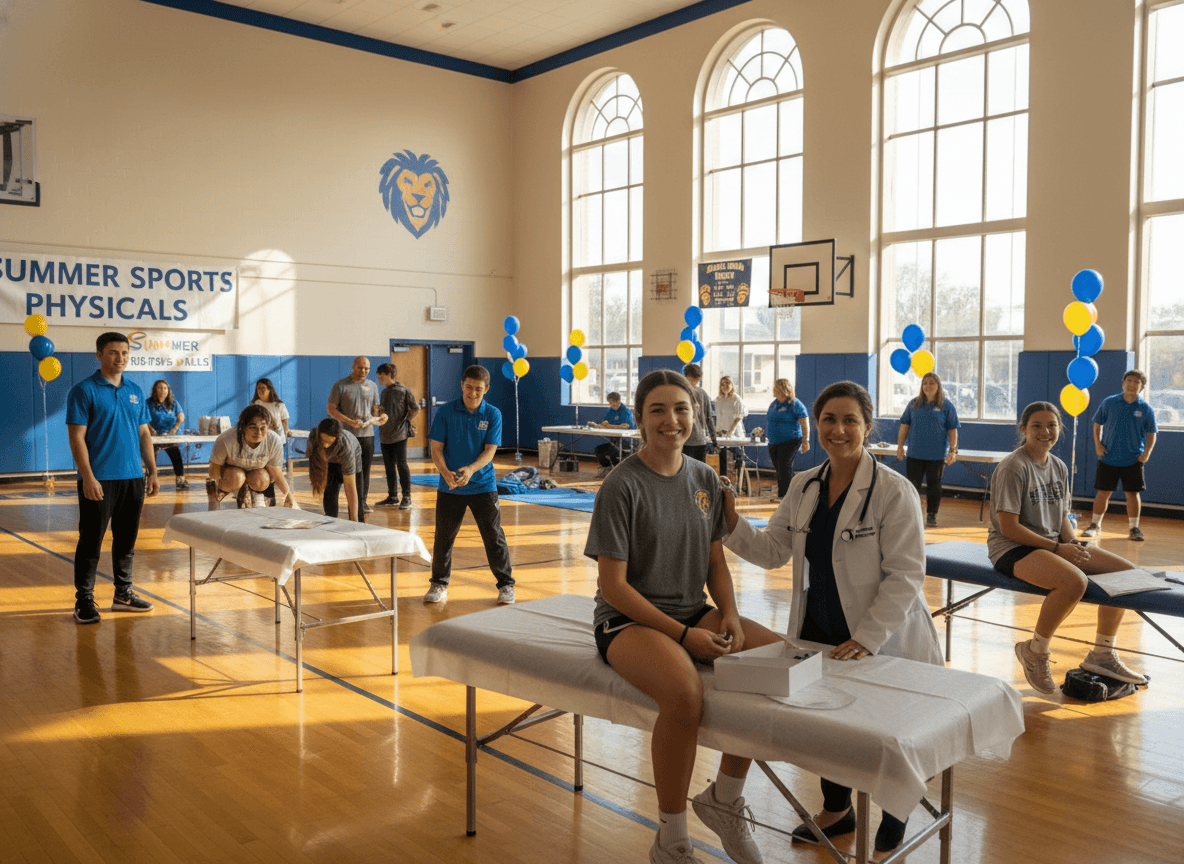
Fall sports seasons typically start the first week of school, which means physicals and eligibility forms need to be submitted before the year begins. The July newsletter is the right place to remind families of those deadlines. Include the cutoff date for physicals, where to submit them, and which sports are available in the fall.
Students who miss the physical deadline miss tryouts. That is a real consequence that parents care about. A direct note in July, when families still have time to schedule a physical appointment, prevents the August scramble.
Open house or orientation details
If your open house or orientation date is confirmed, give families the full logistics: date, time, what to expect, and whether students should attend with parents or separately. If the event is specific to certain grade levels, make that clear. Open house is one of the highest-value events of the early school year for building community, and families who know the details early are more likely to show up.
If the date is not yet confirmed, include a placeholder note: "Open house is typically held in the first week of August. We will send confirmed details by [date]." That kind of transparency builds trust rather than eroding it.
Setting the tone for the year ahead
Close the July newsletter by naming one thing you are genuinely excited about for the coming school year. A new program, a returning teacher who is expanding their curriculum, a school garden project that is ready to launch, or a community partnership that is starting in September. Families and students carry these specific details in a way they do not carry general enthusiasm.
A July newsletter that ends with something real gives families a reason to look forward to August rather than dread it. That is a meaningful starting point for the year.
Get one newsletter idea every week.
Free. For teachers. No spam.
Frequently asked questions
Should a middle school principal send a newsletter in July?
A July newsletter is optional, but it is one of the more effective communications you can send if you have real information to share. Families who receive an early back-to-school preview are better prepared and less anxious than families who hear nothing until August. If you have new staff to introduce, a confirmed open house date, supply lists ready to share, or fall sports physical deadlines approaching, July is the right time to send. A newsletter with nothing actionable in it is not worth sending. One with three concrete updates is worth the 30 minutes to put together.
What should a July middle school principal newsletter include?
The most useful July newsletter items are: a back-to-school timeline showing families when to expect orientation, schedule pickup, and the first day; new staff introductions; the confirmed supply list or a note about when it will be available; open house or orientation details; and fall sports physical deadlines. For incoming 6th graders especially, a July newsletter with these specifics reduces the anxiety around a big school transition.
How do you introduce new staff in a July principal newsletter?
Keep new staff introductions brief but human. A name, the subject or role, one sentence about their background, and one sentence about what they are looking forward to in the new year is enough. Families do not need a full biography, but they appreciate knowing who their child's teacher will be before the first day. If a teacher wants to share something specific, such as a favorite book they plan to use or a project they are excited about, that kind of detail builds anticipation and trust.
What is the right tone for a summer principal newsletter?
Lighter and warmer than a typical school-year send. Families are in a different mental space in July. A brief, friendly tone works better than a formal update. Acknowledge that summer is still happening and that you are excited for the year ahead. Be practical about logistics without making the newsletter feel like a pre-September to-do list. The goal is to re-engage families with your school community, not to overwhelm them before they have even bought the new backpack.
What tool do middle school principals use to send a summer newsletter?
Daystage is a good fit for a July principal newsletter because you can keep your school branding consistent even over the summer months, send to your full family list without rebuilding anything, and check open rates to see how many families engaged with the back-to-school preview. A newsletter sent in July that families actually open gives you a head start on building engagement before the school year officially begins.

Adi Ackerman
Author
Adi Ackerman is a former classroom teacher and curriculum writer with 8 years in K-8 schools. She writes about school communication, parent engagement, and what actually works in real classrooms.
More for Principals
Ready to send your first newsletter?
3 newsletters free. No credit card. First one ready in under 5 minutes.
Get started free