

June Principal Newsletter Template: What to Send Your School Community This Month
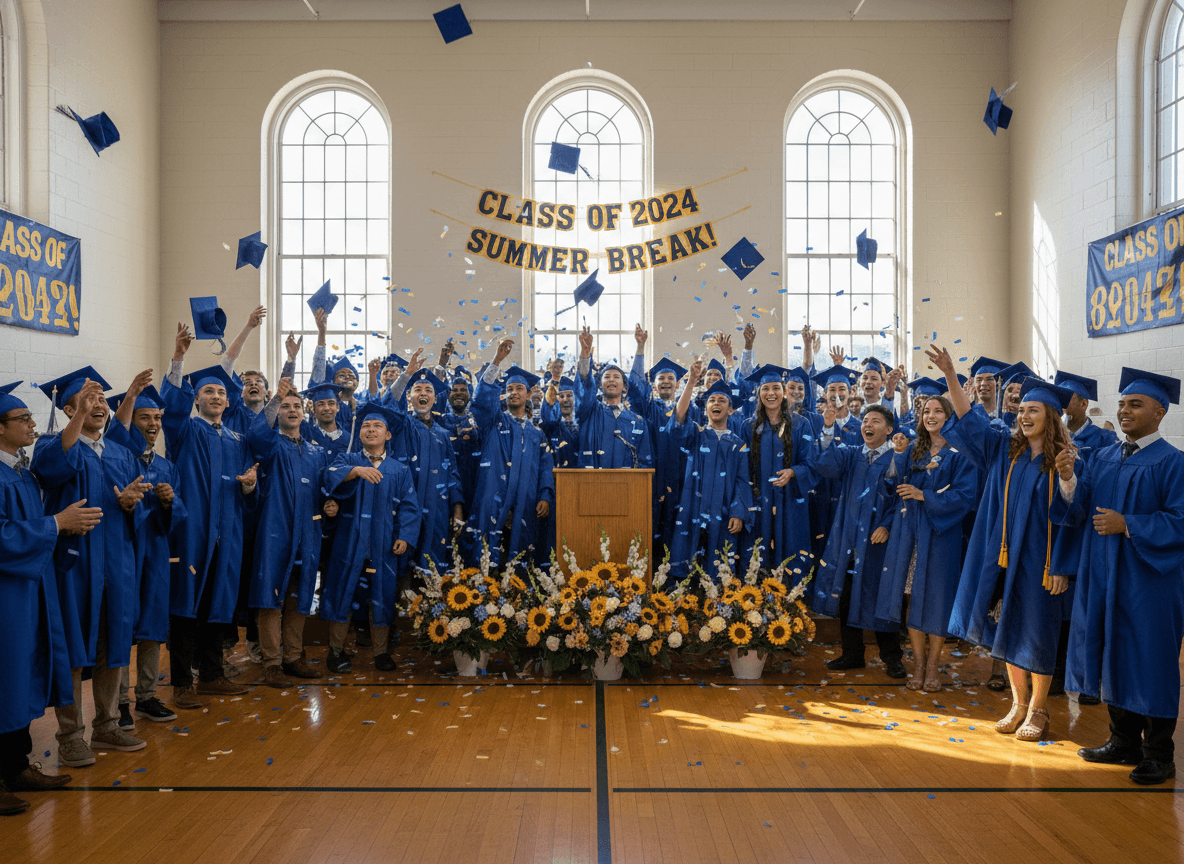
June is the emotional peak of the school year for most school communities. Graduation ceremonies, promotion events, staff farewells, and year-in-review moments all land in a compressed window. Families are sentimental and logistically overwhelmed at the same time. Your June principal newsletter has one job: give the community everything they need to close the year well while also honoring what they built together.
This guide covers what to include in your June newsletter, how to structure it, and what not to skip even when the final weeks feel impossibly busy.
Principal's note: close the year the right way
The June principal's note is the most-read section of your most-read newsletter of the year. Families open it expecting something real. Write it like you mean it. Reference specific things that happened at your school this year: a moment from a school assembly, a class project that made news in the community, a challenge the school navigated together. Name what your teachers and staff actually did, not just that they worked hard.
Thank families by name when possible, or by describing the kinds of partnership that actually showed up this year. Close with something forward-looking but honest: what you are proud of, what you are working on for next year, and what you are looking forward to in September. Two to four paragraphs is the right length. Generic closers get deleted. A specific, genuine note gets forwarded to relatives.
Graduation and promotion ceremony details
Graduation and promotion logistics deserve their own section with full detail. Families should not need to call the office after reading your newsletter. Cover all of the following:
- Date, time, and location: Include indoor versus outdoor backup plans and how families will be notified of any changes.
- Guest tickets and limits: How many guests per graduate, how tickets are distributed, and whether extra tickets are available.
- Arrival instructions: When graduates should arrive versus when guests should arrive, where each group should go, and any security screening procedures.
- Parking: Designated lots, overflow parking, and any road closures near the venue.
- Graduate attire: Cap and gown pickup logistics, what to wear underneath, and any specific footwear or accessory rules.
For elementary schools with moving-up ceremonies or middle schools with promotion events, give those the same level of detail. Families take these milestones seriously regardless of grade level.
Summer programs and enrollment deadlines
June is your last reliable opportunity to reach families before summer disperses the community. If your school or district offers summer programs, the June newsletter is where you make that clear. Include specific information about academic enrichment programs, credit recovery options, summer school schedules, and any free community programs your school partners with.
If registration is still open, include a direct link and deadline date. If programs have waitlists, include instructions for joining them. If programs are fully enrolled, say so clearly rather than leaving families to discover it after wasted effort. Families who receive direct summer program information from the principal are more likely to act on it than families who see a flyer in a backpack.

Staff appreciation and faculty farewells
June is the time to publicly recognize staff. Name teachers and staff members who are retiring. Share a sentence or two about what each person contributed to the school. Name staff members who are moving to other schools or roles. If you have a new staff member joining in September, a brief introduction here builds community anticipation.
Staff appreciation in the newsletter signals to the community what the school values. It also gives families a chance to say goodbye to people who mattered to their children. A school that publicly honors its people on the way out is a school families trust to honor their children while they are in it.
Locker clean-out and end-of-year checkout
End-of-year logistics need their own section. The June newsletter should include the locker clean-out schedule by grade level, a complete list of what students need to return before checkout (Chromebooks, textbooks, library books, athletic equipment, uniforms), the process for returning each item type, and any fees or holds associated with unreturned materials.
For elementary schools, tell families what comes home in the backpack on the last day and what stays in the building. Tell them what happens to items not picked up and whether a summer pickup option exists. Clear checkout communication reduces the stack of unclaimed belongings that fills school lobbies every June and the parent calls that follow.
Year-in-review highlights
A brief year-in-review section makes the June newsletter something families keep. This does not need to be long. Five to eight bullet points or a short paragraph naming the major things that happened this year works well. A field trip that was a big success. A program that launched. A sports team that made it to the championship. A community service project. A schoolwide initiative that changed something.
Year-in-review content reminds the community that a lot happened and that the year was full. It builds the kind of institutional pride that brings families back in September with their expectations set high.
Key dates and looking ahead to August
Close the newsletter with a brief calendar section covering the final days of school, any scheduled professional development days that push the last student day, and the first day of school in August or September. Families plan summer travel, childcare, and camp schedules around the school calendar. Giving them that information in June, when they are making those decisions, prevents the rush of schedule questions that arrive in late July.
Include a note about when families can expect to hear from you again, whether that is a back-to-school newsletter in early August or a welcome letter from homeroom teachers. A community that knows the communication plan does not fill the summer with uncertainty.
Get one newsletter idea every week.
Free. For teachers. No spam.
Frequently asked questions
What should a principal include in the June newsletter about graduation?
June graduation communication needs to be detailed and logistical. Include the ceremony date, time, and location. Spell out ticket distribution and any guest limits, parking instructions, arrival times for graduates versus guests, and what graduates should wear or bring. If your school has a promotion ceremony for middle schoolers or a moving-up ceremony for elementary students, give those the same treatment. Families who receive clear graduation logistics in the newsletter have fewer panicked calls to the main office during the final week.
How should a principal handle summer program information in the June newsletter?
The June newsletter is the last direct communication channel most principals have before families scatter for the summer. Include specific information about school-sponsored summer programs: academic enrichment, credit recovery, summer school, and any community partnerships for free or low-cost summer learning. If registration is still open, include a direct link or phone number. If programs are full, say so and offer a waitlist option if one exists. Families who receive clear summer program information from the principal are more likely to enroll students than families who have to search for it independently.
What should the end-of-year principal's note say?
The June principal's note is one of the most-read pieces of communication you send all year. Keep it genuine and specific. Reference real things that happened at your school this year: a student achievement, a community moment, a challenge the school navigated together. Thank teachers and staff by naming what they did, not just that they worked hard. Thank families for their partnership. Express something real about what the year meant. Avoid generic language about 'a fantastic year of learning.' Families can tell the difference between a form letter and a note from a principal who actually means it.
How should a principal communicate locker clean-out and end-of-year logistics?
Locker clean-out and checkout logistics belong in their own dedicated section of the June newsletter. Include the schedule by grade level, what students need to return (Chromebooks, textbooks, library books, uniforms, equipment), what happens if materials are not returned, and any fees associated with lost or damaged items. For elementary schools, communicate what comes home from classrooms and what the teacher will do with supplies left behind. Clear checkout communication prevents both student confusion and the pile of unclaimed belongings that appear in school lobbies every June.
What newsletter tool works best for school principals closing out the year?
Daystage is built for exactly this kind of communication. Principals can load the June newsletter template once and populate it quickly even during the most demanding final weeks of the school year. The scheduling feature lets you queue the newsletter in advance so it goes out on the right day even if you are running a graduation ceremony that morning. Principals use Daystage to close the year with a well-designed, complete newsletter that reflects the care they put into the school all year long.

Adi Ackerman
Author
Adi Ackerman is a former classroom teacher and curriculum writer with 8 years in K-8 schools. She writes about school communication, parent engagement, and what actually works in real classrooms.
More for Principals
May Principal Newsletter Template: What to Send Your School Community This Month
Principals · 7 min read
August Principal Newsletter Template: What to Send Your School Community This Month
Principals · 6 min read
Elementary School Principal Newsletter Guide: Building Family Trust from Day One
Principals · 8 min read
Ready to send your first newsletter?
3 newsletters free. No credit card. First one ready in under 5 minutes.
Get started free