

January Assistant Principal Newsletter: Restarting Strong After Winter Break
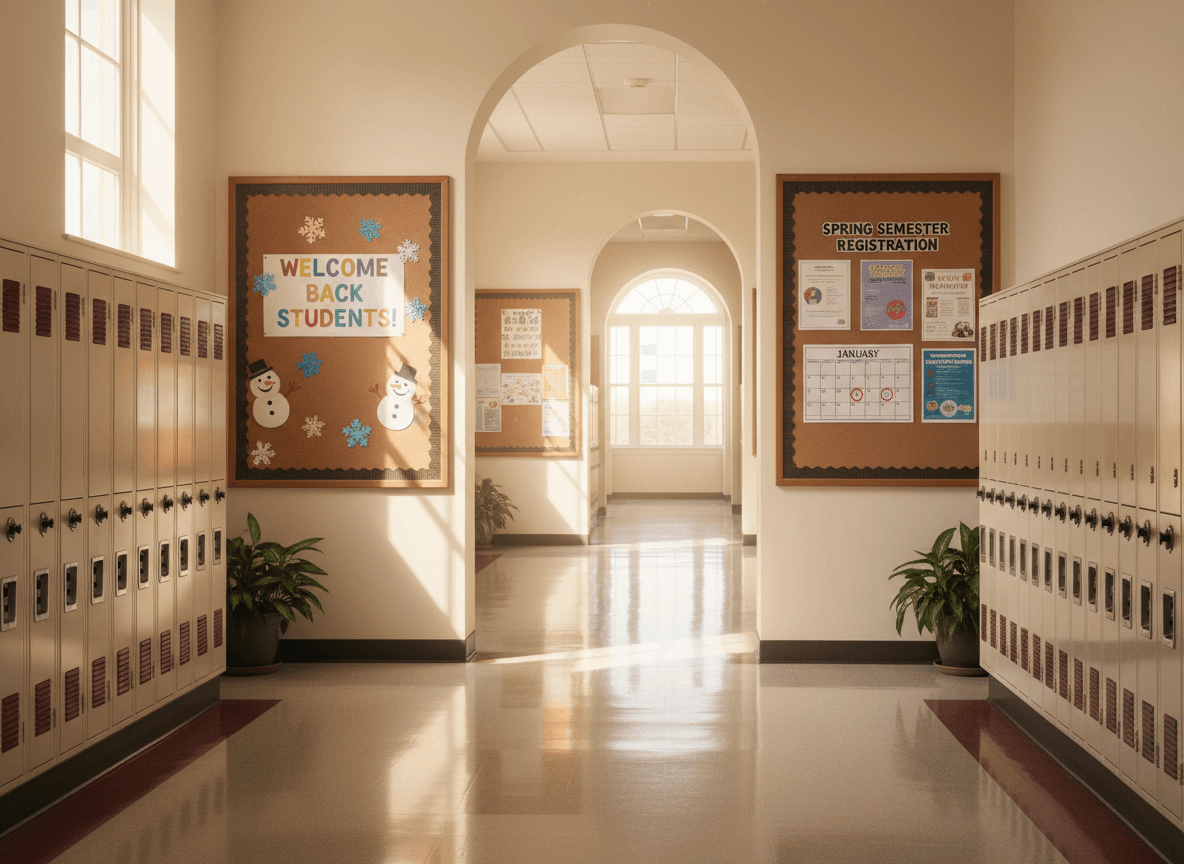
The return from winter break is one of the most important moments in the school year calendar. Students arrive in January somewhere on a wide spectrum: energized and ready, sluggish and resistant, or still mentally on vacation. Your job as assistant principal is to help everyone find the rhythm again quickly, and your January newsletter is one of the most effective tools for doing that.
January communication from an AP sets the tone for the second semester. Done well, it signals that the new year brings fresh standards and a renewed commitment to student success. Done poorly or skipped entirely, it misses a natural reset opportunity that does not come around again until summer.
Re-Entry Expectations and Behavioral Reset
The first week back after a two-week break is not the time to be soft on expectations. Students need structure, and they need to know immediately that the same standards apply in January as they did in October. Your newsletter should clearly restate core behavioral expectations before students walk back through the door.
Focus on the areas that tend to slip after a long break: hallway conduct, phone use, tardiness, and the use of common areas. A simple reminder of the core rules, framed as a fresh start rather than a punishment, helps families reinforce the message at home before that first Monday morning back.
Attendance: The January Monitoring Window
January attendance data is predictive. Students who arrive late frequently in the first two weeks back, or who rack up absences in January, are significantly more likely to develop chronic absenteeism by spring. Your newsletter is a chance to tell families this directly.
Share your school's definition of chronic absenteeism if families may not know it. Explain the cumulative impact of missed days. Let families know you are monitoring and that you will reach out early if a pattern develops, framing this as support rather than surveillance. Include the contact information for families who need help with transportation, health, or scheduling barriers.
Second-Semester Schedule and Course Changes
Many schools make schedule adjustments between semesters. New electives start, students move into different courses, or bell schedules shift slightly. Your January newsletter is the right place to communicate these changes clearly so families are not caught off guard.
Even if the schedule is essentially unchanged, a brief confirmation that the second semester runs on the same structure helps. It removes a category of parent inquiry before it starts. If there are any one-off schedule changes in the first month, such as late-start days, professional development days, or testing schedules, list them with specific dates and times.
First-Semester Report Cards and What Comes Next
If first-semester grade reports are distributed in January, your newsletter should help families interpret and act on them. Tell families when to expect them, how to access them online if applicable, and what to do if a student's grades are concerning.
As an assistant principal, your role here is to remove barriers. Direct families to the right teacher, the school counselor, or intervention resources. Remind them that the start of a new semester is the best possible time to address academic struggles because there is still enough of the year left to make a difference.
Student Support Structures for the Second Semester
January is the right time to remind families of every support resource your school offers. Tutoring programs, counseling services, attendance intervention, peer mentoring, after-school help, and food support programs all belong in your January newsletter. Many families do not know these resources exist until they are in a crisis.
Format this section as a short list with names and contact information rather than paragraph text. A family skimming your newsletter at 7 a.m. before school drop-off needs to be able to find the counselor's email in five seconds.
Upcoming Testing Windows and Preparation Guidance
If your school has standardized tests scheduled in the second semester, January is when you should start setting family expectations. You do not need to launch a full test prep communication yet, but flagging the dates, explaining what the tests measure, and encouraging regular attendance during testing windows gives families time to plan.
Keep this section brief and factual. Testing communication can generate anxiety if it is framed as high-stakes from the start. The goal in January is awareness, not pressure.
Community Tone and Forward Momentum
Close your January newsletter with something that builds community rather than just delivering logistics. Acknowledge the transition back from break, express genuine enthusiasm for the second semester, and mention one or two things you are looking forward to as a school community in the coming months.
Families respond to leaders who sound grounded and optimistic, not just operational. A brief closing paragraph that reflects real investment in the school and its students does more than any policy reminder to build the trust that makes the second half of the year run well.
January newsletters from assistant principals do not need to be elaborate. They need to be timely, clear, and forward-looking. Get it out in the first week back, cover the key operational topics, and give families a sense that your team is ready and organized for a strong second semester.
Get one newsletter idea every week.
Free. For teachers. No spam.
Frequently asked questions
What should an assistant principal cover in a January newsletter?
January newsletters should address the return from winter break, re-establish behavioral and attendance expectations, introduce any second-semester schedule changes, highlight student supports available going into the new semester, and preview upcoming events or testing windows.
How do I address chronic absenteeism in a January newsletter without shaming families?
Frame attendance messaging around partnership and outcomes rather than consequences. Phrases like 'we want to work with you to remove barriers to attendance' and 'every day counts toward your student's progress' keep the tone constructive. Always include a contact for families who need support.
Is January a good time to introduce new school policies?
The start of the second semester is one of the best times to introduce or reinforce policies. The natural reset of the new year gives students and families a clear mental fresh start, and your newsletter can frame any policy updates as part of starting the next half of the year with clarity.
How do I help students transition back to school routines in January?
In your newsletter, encourage families to restore regular sleep and homework routines before school resumes. Suggest that students review any notes or syllabi from before the break, and remind families that the first week back is a good time to reconnect with teachers if their student struggled in the first semester.
What is the best tool for sending a January back-from-break newsletter as an assistant principal?
Daystage lets assistant principals build clean, organized newsletters quickly. You can pull together your January schedule updates, resource links, and policy reminders in one place and send to the right families without needing design skills or a lot of time to put it together.

Adi Ackerman
Author
Adi Ackerman is a former classroom teacher and curriculum writer with 8 years in K-8 schools. She writes about school communication, parent engagement, and what actually works in real classrooms.
More for Principals
December Assistant Principal Newsletter: Managing the Final Weeks Before Winter Break
Principals · 6 min read
February Assistant Principal Newsletter: Mid-Year Communication That Keeps Families Engaged
Principals · 6 min read
Assistant Principal Newsletter Guide: How to Communicate With Families as an AP
Principals · 7 min read
Ready to send your first newsletter?
3 newsletters free. No credit card. First one ready in under 5 minutes.
Get started free