

February Assistant Principal Newsletter: Mid-Year Communication That Keeps Families Engaged
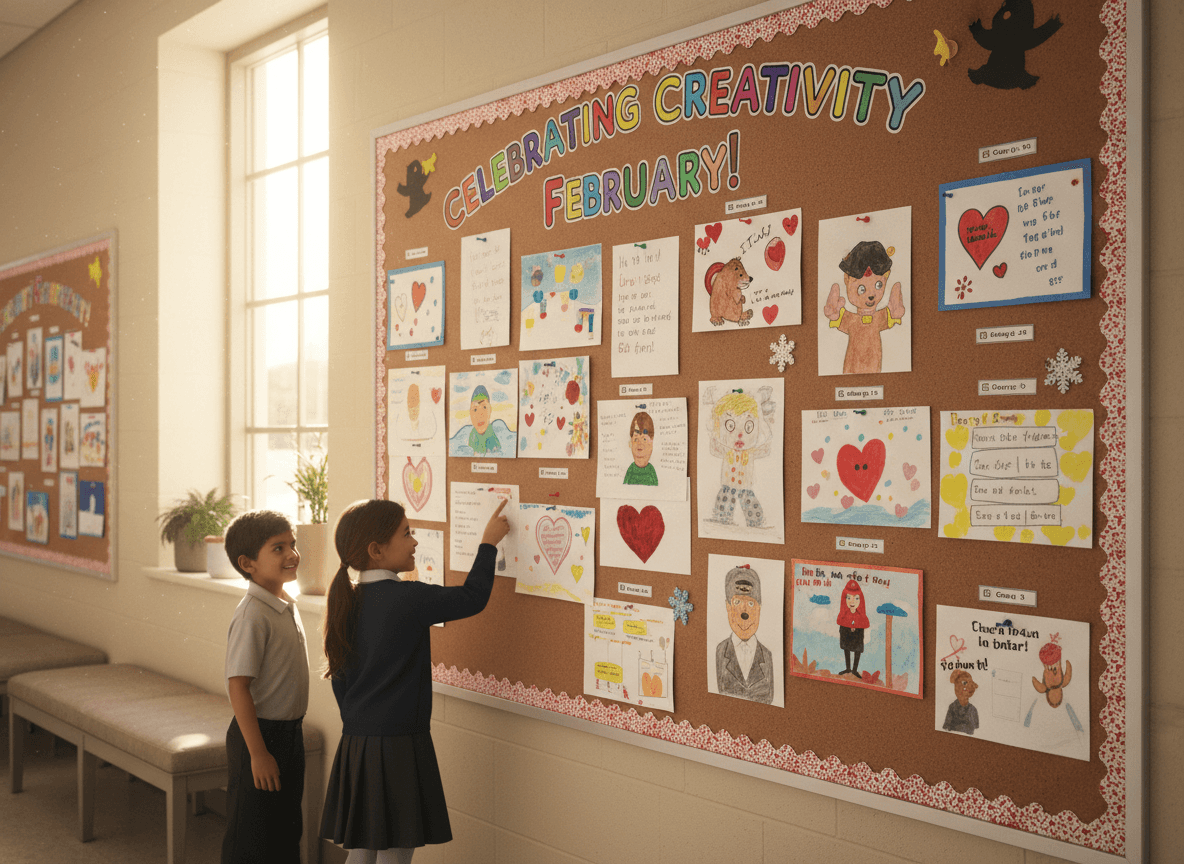
February is the month that separates assistant principals who communicate consistently from those who go quiet when things get busy. The second semester is well underway, the January energy has settled, and the stretch between now and spring break can feel long and unstructured. Your February newsletter is a critical touchpoint for keeping families engaged and holding the school year together at its midpoint.
The content of your February newsletter should reflect both what is happening right now and what is coming up. Mid-year is a time for honest assessment, practical guidance, and visible leadership. Families who hear from you regularly in February are better prepared for the challenges of March and April.
Mid-Year Discipline Trends and What They Mean
By February you have a semester of behavioral data. You know which types of incidents are most common, which areas of the building need attention, and which student groups may need additional support. Your newsletter does not need to be a full report, but a brief, honest summary of school climate is valuable.
Acknowledge what is going well. If your office referral rates are down, say so. If a new restorative practice is working, mention it. If certain issues are persisting, name them without drama and explain what your team is doing. Families who see an AP actively managing school climate trust the school more, not less.
Valentine's Day Policies and Social Inclusion
Valentine's Day creates operational and social complexity in schools. Gift policies, classroom party guidelines, candy rules, and the social dynamics of card exchanges all require clear communication from administration. Your newsletter should address these a week or two before February 14.
Keep this section practical. If your school asks that Valentine's cards include every student in a class, state that policy clearly. If food or candy is not allowed in classrooms, say so. This is also a natural place to mention your school's values around inclusion and kindness without making it sound like a lecture.
Attendance Monitoring in the Second Semester
Research consistently shows that second-semester attendance is harder to maintain than first-semester attendance. February and March are peak months for chronic absenteeism in many schools. Getting ahead of this in your newsletter gives families a heads-up and signals that you are watching.
Be direct: tell families that absences in the second semester compound quickly and that your team monitors attendance patterns proactively. Let them know who to contact if their student is missing school due to health, transportation, or other barriers. Frame your approach as support-first, consequences-second.
Upcoming Testing Windows and Preparation Reminders
State and district assessments are coming. February is when you want families to start thinking about attendance during testing weeks, adequate sleep and nutrition, and reducing external stressors. Your newsletter can frame testing preparation without generating anxiety.
Include specific dates if they are confirmed. Remind families of the school policy on absences during testing windows. If your school offers any test prep resources, tutoring, or review sessions, mention them here. The goal is to give families enough information to be helpful, not to put pressure on students.
Student Recognition and Positive Climate Building
February newsletters should not just be about problems and policies. Include a section that celebrates students. Whether it is a shoutout to academic achievers, recognition of students who demonstrated strong values, or a highlight of a recent school event, positive content keeps families reading and builds community.
You do not need to name individual students if privacy is a concern. Aggregate recognition works well: "Our students submitted over 200 acts of kindness this month" or "Our attendance improved by 8 percent compared to last February." Numbers and specifics make recognition feel real.
Family Engagement Opportunities This Month
If your school has any family events in February, your newsletter is the best way to get the word out. Parent-teacher conferences, open houses, school board meetings, volunteer opportunities, or family literacy nights all belong here with clear dates, times, and instructions for how to participate.
Even if there are no formal events this month, inviting families to connect is worthwhile. A simple line like "our office is always open for conversations" or "we welcome families to schedule a time to see the school in action" keeps the relationship warm and signals that administration is accessible.
Looking Ahead to March and Spring Planning
Close your February newsletter by looking forward. Families benefit from knowing what is on the horizon. A brief preview of March events, testing dates, or schedule changes helps families plan and reduces last-minute scrambling.
End with something genuine. February can be a grind in many schools, and acknowledging that while expressing confidence in your students and staff resonates with families who are experiencing the same long stretch. An AP who communicates authentically in February builds trust that carries through the rest of the year.
The February newsletter is not glamorous, but it is important. It keeps families in the loop during a month when it is easy for communication to go quiet, and it positions you as a proactive, present leader heading into the more demanding stretch of spring.
Get one newsletter idea every week.
Free. For teachers. No spam.
Frequently asked questions
What should a February AP newsletter cover?
February newsletters should address mid-year attendance patterns, discipline climate, upcoming testing or assessment windows, recognition of student achievements, Valentine's Day or themed event policies, and any schedule changes around the February break if applicable.
How do I reengage families who have stopped reading school communications by February?
Keep it short and make the subject line count. February is when inbox fatigue sets in. A newsletter with a clear subject line, a warm opening line, and content that gets to the point quickly will retain more readers than a long, formal update.
Is February a good time to address bullying or social dynamics in a newsletter?
Yes. The weeks around Valentine's Day can be socially charged for students, and February is National Bullying Prevention Month in some frameworks. An assistant principal newsletter is an appropriate place to address kindness, inclusion, and how to report concerns.
What attendance data should I share in a February newsletter?
You do not need to share individual student data, but sharing school-wide patterns is appropriate. For example, noting that second-semester attendance historically dips in February and explaining what your team is doing to monitor it shows families that you are proactive.
What makes Daystage useful for a February AP newsletter?
Daystage is built for school communicators who need to send clean, organized newsletters on a tight schedule. In February, when your calendar is full and time is short, being able to build and send a polished newsletter in under an hour makes a real difference.

Adi Ackerman
Author
Adi Ackerman is a former classroom teacher and curriculum writer with 8 years in K-8 schools. She writes about school communication, parent engagement, and what actually works in real classrooms.
More for Principals
January Assistant Principal Newsletter: Restarting Strong After Winter Break
Principals · 6 min read
March Assistant Principal Newsletter: Testing Season, Spring Break, and Keeping Students on Track
Principals · 7 min read
Assistant Principal Newsletter Guide: How to Communicate With Families as an AP
Principals · 7 min read
Ready to send your first newsletter?
3 newsletters free. No credit card. First one ready in under 5 minutes.
Get started free