

High School Principal Newsletter: What to Send in December
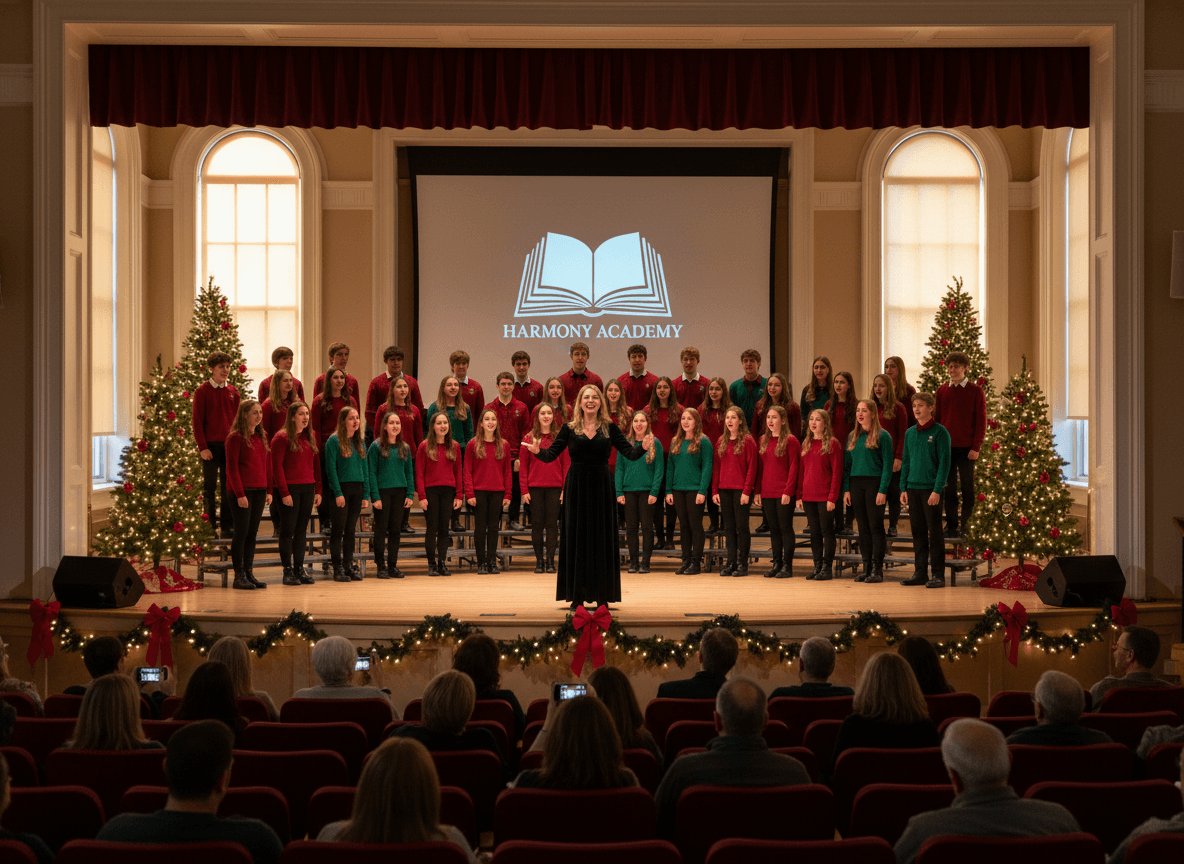
December is the end of the semester, the run-up to winter break, and one of the most emotionally complex months of the high school year. Final exams are coming. Semester grades are about to lock. Early decision results are arriving for seniors. Winter performances are filling the calendar. And somewhere underneath all of that, students and families are exhausted from a long fall semester and ready for a break.
The December principal newsletter has to hold all of that at once. Be organized, be specific, and close the semester in a way that feels like a real conclusion rather than a logistics checklist.
Final exam schedule: publish it completely
The final exam schedule belongs at or near the top of the December newsletter. Families and students need the full picture: which exams are on which days, what time each period begins and ends, and what the modified bell schedule looks like during finals week. If certain grade levels have different exam structures, be specific about each one.
Include transportation information for early-release exam days. High school students who finish exams before the normal end of school need to know whether buses run on a modified schedule. Families who are not expecting an early pickup on an exam day face a real logistical problem. A clear note in the newsletter prevents that.
Final exam preparation: what support is available this week
Describe the academic support available during finals week. Teacher office hours, library study hours, peer tutoring availability, and any late-stay options for students who need a quiet place to work all belong here. Some students have excellent study habits and do not need the reminder. Others genuinely do not know the options available to them.
A brief note on healthy finals week habits, sleep, real meals, and breaks during study sessions, is worth a sentence or two. Families who receive that guidance are more likely to have it as part of their home conversation than families who have to generate it themselves.
Semester grades: when they are available and what to do
Semester grades are final and the window for addressing concerns is short. Tell families exactly when grades will be posted in the portal, whether that is before or after winter break begins. Include the process for a grade inquiry or appeal if your school has one, and the timeline for submitting it.
A note about the difference between a grade inquiry and a grade change request helps families use the right channel. Families who feel their student's grade does not reflect their work deserve a clear path to raise that question. Families who simply disagree with a grade need to understand the limits of that process. Clarity about both in December prevents contentious conversations in January.
Senior early decision results: acknowledge the reality
December is when early decision acceptances, deferrals, and denials arrive. For senior families, these notifications carry enormous emotional weight regardless of outcome. The principal newsletter is one of the right places to acknowledge that directly.
Let families know the counseling team is available for students who receive disappointing news. Include a brief note about next steps for students who were deferred or denied: regular decision timelines, whether the student should revisit their college list, and how the school can support the next round of applications. Families who feel the school is with them through difficult news trust the institution in a fundamentally different way.

Winter concert and performance events
Winter concerts, theater performances, and arts events belong in the December newsletter because they represent the school community at its most visible. Include dates, times, ticket information if applicable, and a note about the programs performing. Name the directors and ensembles by name.
Winter performances are community events that draw families who may not be involved in athletics or academic events. The principal newsletter is the right place to frame them as something worth attending, not just something happening at the school.
Winter break: dates, resources, and what to do if a concern comes up
Give families the exact last day before break and the return date. Note any changes to transportation or after-school programs in the days surrounding break. For families who rely on the school counselor for student support, include the contact for any winter break crisis resources that are not school-dependent.
A brief note about what to do if a family has an urgent concern during winter break, including district emergency contacts or community mental health resources, is worth adding. The school year does not stop being consequential when the building closes.
Second semester preview: what is coming in January
End the December newsletter by pointing forward. Families who understand the shape of second semester arrive in January with more readiness than families who treat every month as a surprise. Cover the broad strokes: new courses or schedule changes, upcoming semester milestones, any major events in the first quarter of second semester, and what seniors should expect in their final stretch before graduation.
Close with something genuine. December is the end of the first half of the school year, and the principal newsletter is one of the few places where the school community hears from leadership in a reflective voice. Say something true about what the semester held, what you are proud of, and what you are carrying into January. Families who feel like they know their principal show up differently for the second half of the year.
Get one newsletter idea every week.
Free. For teachers. No spam.
Frequently asked questions
What should a high school principal include in the December newsletter?
December is the end of the semester and one of the most emotionally loaded months of the school year. The newsletter needs to cover final exam schedules, how and when to access semester grades, winter break dates, and a preview of second semester. For senior families, December is when early decision results arrive, and the newsletter should acknowledge that reality directly. A note about the winter concert or performance, and a genuine closing reflection on the semester, round out a December send that serves the full school community.
How much detail should a December principal newsletter include about final exams?
As much as families need to plan. Publish the full exam schedule by date and period, the modified bell schedule during finals week, any changes to transportation on early-release exam days, and the policy for students who need to make up an exam. Families who have to guess at the finals schedule or find it themselves on the school website are less prepared than families who receive it proactively. A clear finals schedule in the December newsletter is one of the highest-value things you can include all year.
What should a December newsletter say to senior families about early decision results?
Early decision results arrive throughout December, and for many families it is the most emotionally intense news of the year, in either direction. Acknowledge that reality directly in the newsletter. Let families know that the counseling team is available to support students who receive disappointing news and to celebrate with those who receive acceptances. A brief note about next steps for students who were deferred or denied, including regular decision timelines and strategies, is more useful than a general message of encouragement.
How should the December newsletter handle semester grades?
Tell families exactly when semester grades will be posted, where to access them, and who to contact with concerns. Semester grades are final, which means families who have questions about a grade have a limited window to raise them before the record is closed. Include a note about the process for a grade appeal if your school has one, and the timeline for making that request. Families who understand the post-semester process are less likely to contact the office weeks after grades are final expecting a change.
What newsletter tool helps high school principals close out the semester in December?
Daystage is a solid choice for the December newsletter because it lets you build a well-organized end-of-semester communication that families can reference through winter break. The public newsletter link stays accessible, so a family who loses the email over the holidays can still pull up the finals schedule or the semester grade access instructions in January. For a communication this important, having a durable, shareable link matters more than it does in routine monthly sends.

Adi Ackerman
Author
Adi Ackerman is a former classroom teacher and curriculum writer with 8 years in K-8 schools. She writes about school communication, parent engagement, and what actually works in real classrooms.
More for Principals
Ready to send your first newsletter?
3 newsletters free. No credit card. First one ready in under 5 minutes.
Get started free