
High School Principal Newsletter: What to Send in August
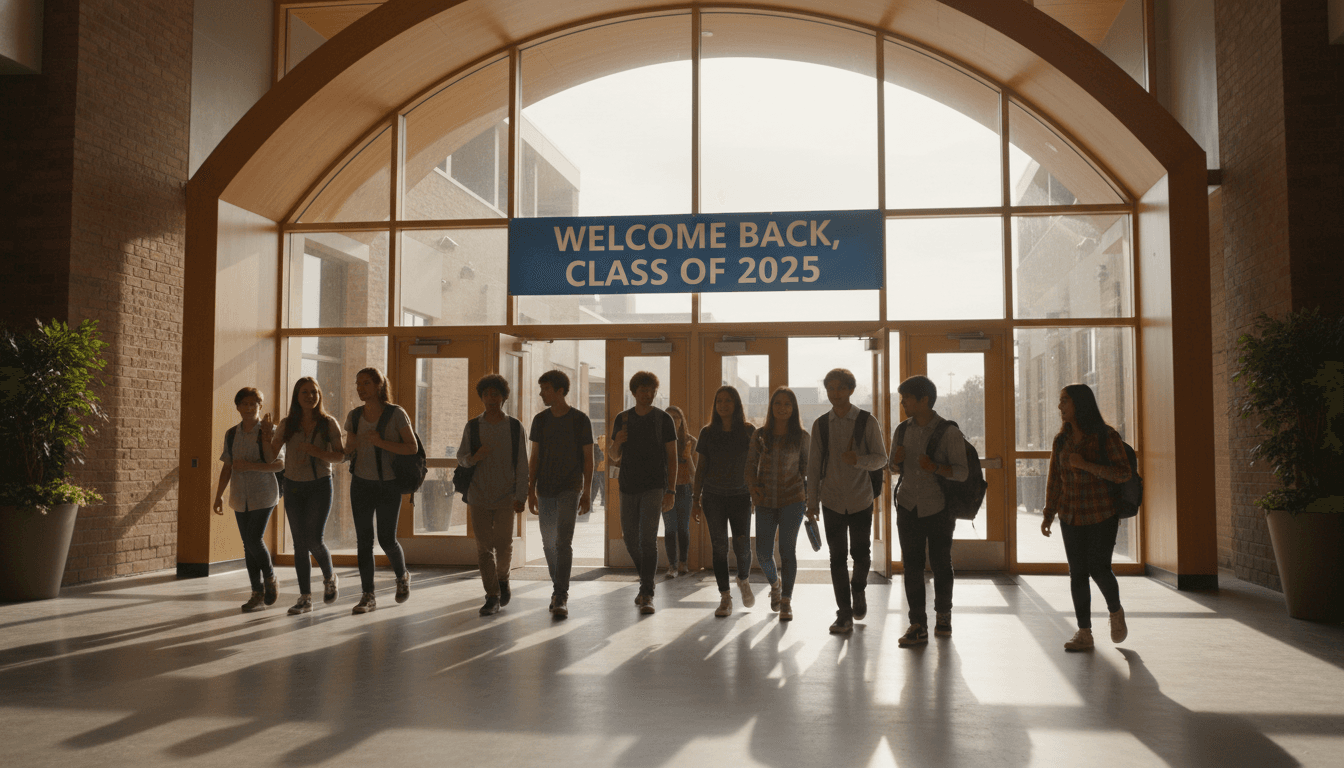
The August principal newsletter sets the tone for everything that follows. Families who receive a clear, well-organized August communication arrive at open house and the first day of school with confidence rather than questions. Families who do not hear from the principal until the week school starts arrive anxious and underprepared. The August newsletter is one of the most read communications you will send all year. Make it count.
High school families have more logistical complexity than elementary or middle school families. Bell schedules, parking procedures, college application timelines, and fall sports all compete for attention in August. Organize the newsletter clearly so families can find what they need without reading every word.
Bell schedule and daily logistics
Publish the full bell schedule. High school families need the exact start time, end time, period lengths, and lunch period information. If your school runs an A/B or rotating schedule, explain how it works in plain language. Include a link to a downloadable version families can print or save.
Note any late-start days, early-release Fridays, or modified schedules during the first week. High school students often have after-school jobs, childcare responsibilities, or activity commitments that depend on the exact end-of-day time. Clear schedule information in August prevents a lot of individual clarifying questions.
Parking, transportation, and getting to school
For high schools, parking is a logistical challenge that affects families, students, and neighbors. Cover student parking permit procedures and deadlines, where to apply, and how permits are assigned. Describe the designated student parking areas and any new restrictions. Address bus route changes or transportation updates.
Drop-off and pickup zones deserve their own clear description, especially if the traffic pattern has changed since last year or if new construction is affecting access. Families who understand the morning and afternoon traffic flow before day one have a much smoother start.
New staff introductions
August is the right time to introduce teachers and staff who are joining the school for the first time. A name, subject or role, a line about background, and a line about what they are looking forward to is enough. Families and students who have heard a teacher's name and one detail about them before the first day arrive with a different level of readiness than families who encounter new staff cold.
If your school has a new administrator, counselor, or department head, include them here. Families pay attention to leadership transitions. Acknowledging them directly in August builds trust and prevents rumors from filling the information gap.
Open house and orientation
Give families the full open house logistics: date, time, what to expect, whether students should attend with parents, and what happens if they cannot make it. High school open house is different from elementary in that many families come with specific questions about college counseling, AP course loads, or extracurricular options. A brief note about who will be available to answer those questions helps families come prepared.
For incoming 9th graders, a separate orientation event deserves its own mention. The transition from middle to high school is significant. If your school runs a 9th grade orientation, give it visibility in the August newsletter rather than treating it as a footnote.

Fall sports season: what families need to know
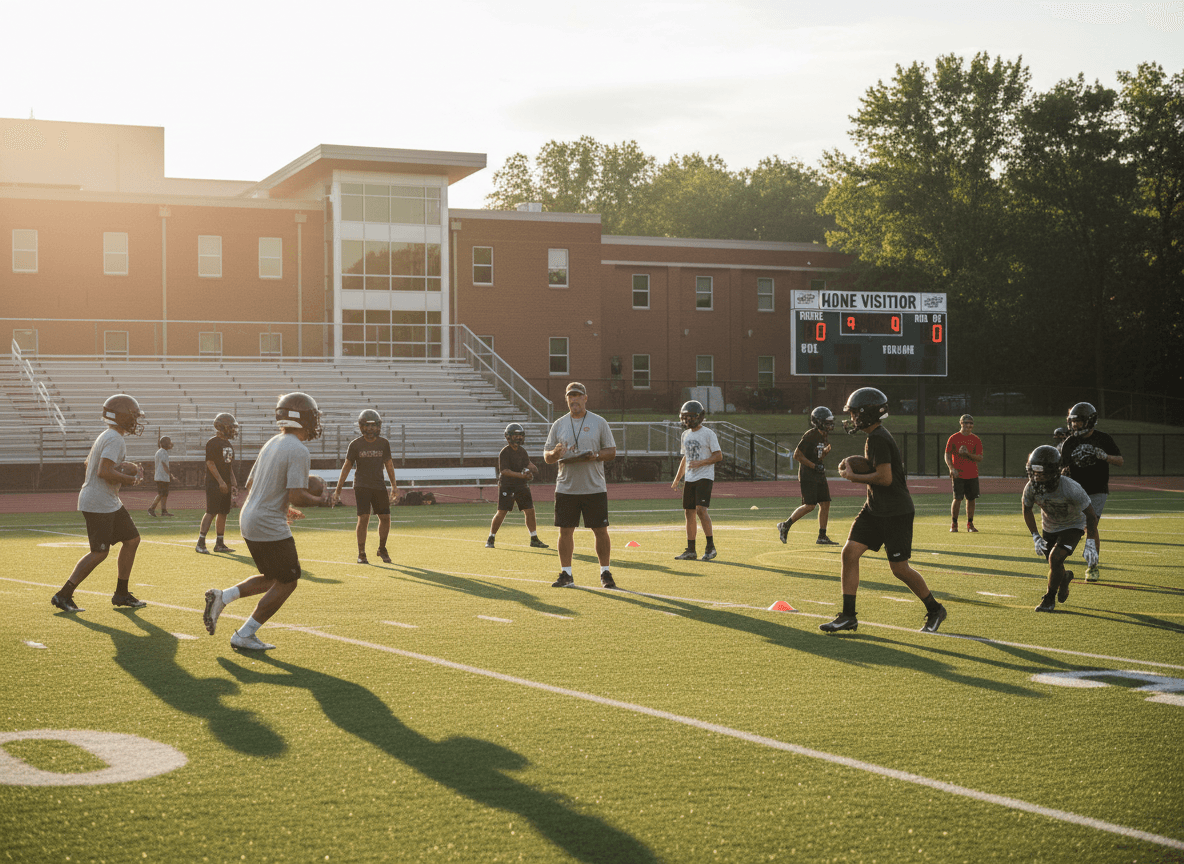
Fall sports typically begin before or during the first week of school. Families with student-athletes need to know tryout dates, eligibility requirements, and physical submission deadlines. If any deadlines have already passed or are imminent, say so clearly.
Include the athletic director's contact information for families with questions about specific sports or eligibility. A single point of contact for athletic questions prevents inquiries from landing in the wrong inbox and going unanswered.
Senior year overview for 12th grade families
Senior year is the most consequential academic year for high school families, and August is when those families want to understand the full shape of what is coming. The newsletter does not need to be a complete senior-year guide, but a clear overview helps families start planning. Cover the broad timeline: college application season, when counselors hold senior family meetings, important senior-specific events, and graduation requirements that need to be on track from day one.
Acknowledge directly that senior year is exciting and demanding at the same time. Families appreciate a principal who names that reality rather than glossing over it. Let them know who to contact when they have questions, and give senior families a sense that the school has a plan for supporting them through the year.
Setting the tone for the year
The closing paragraph of the August newsletter is where you speak as a principal, not as a logistics coordinator. Say something genuine about what you are looking forward to, what the school is working toward this year, or what you want the community to know about your priorities. Families who feel like they know their principal and what they stand for show up differently than families who see the principal only in crisis communications.
One paragraph of authentic leadership perspective at the end of an otherwise practical newsletter does more to build community trust than any amount of school-spirit language in the middle of it.
Get one newsletter idea every week.
Free. For teachers. No spam.
Frequently asked questions
What should a high school principal include in the August newsletter?
The August newsletter is the foundation for the entire school year. Families need practical logistics they cannot find anywhere else: the bell schedule, parking and transportation procedures, any changes to the building or campus, and the open house or orientation date. Beyond logistics, this is the newsletter where you set the tone and communicate expectations for the year. Senior families in particular are starting their most consequential academic year and appreciate a specific note acknowledging what that means.
How should a high school principal handle the August bell schedule communication?
Be precise and put the schedule somewhere families can keep. The August newsletter should include the full daily bell schedule, any A/B day or rotating schedule explanation, and information about late-start or early-release days. High school schedules are complex, and families who receive a clear, complete schedule on day one have fewer questions throughout the fall. A link to a downloadable or printable version is worth including.
What should a high school principal say specifically to 12th grade families in August?
Senior year is the most logistically dense year for families, and the August newsletter is the place to acknowledge that directly. Cover the broad strokes of what the year holds: college application timelines, senior-specific events, graduation requirements, and who families should contact for counseling support. Senior families who receive a clear overview in August are better prepared for the specific deadlines that come later in fall and winter. Vague reassurances do not help as much as a clear roadmap.
How detailed should parking and transportation information be in the August newsletter?
As detailed as it needs to be to prevent confusion on the first day. For large high schools, parking is a real logistical challenge. Cover student parking permit procedures, bus route changes, drop-off and pickup zones, and any new traffic patterns around the building. Families who have to figure out parking logistics on the first day of school start with a negative experience. A clear paragraph in August prevents a significant amount of that friction.
What newsletter tool do high school principals use to communicate in August?
Daystage works well for August high school newsletters because you can organize a large amount of logistical information into a clean, readable format that families can reference throughout the fall. The public newsletter link is shareable, so families can forward it to other caregivers or pull it up on their phone during open house. For a communication as important as the August back-to-school send, having something that looks professional and loads reliably on any device matters.

Adi Ackerman
Author
Adi Ackerman is a former classroom teacher and curriculum writer with 8 years in K-8 schools. She writes about school communication, parent engagement, and what actually works in real classrooms.
More for Principals
Ready to send your first newsletter?
3 newsletters free. No credit card. First one ready in under 5 minutes.
Get started free