
Elementary Principal Newsletter: What to Send in October

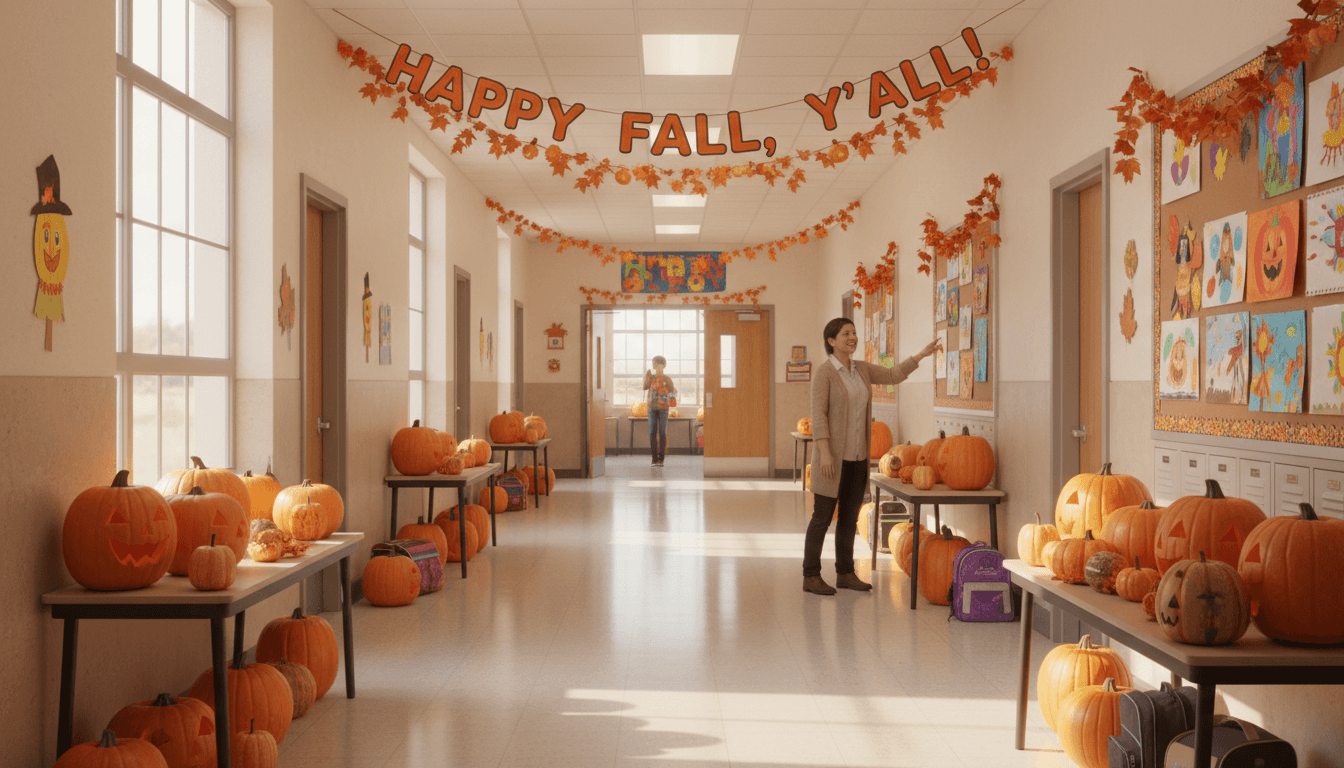
October is one of the most event-dense months of the year for elementary schools. A harvest festival or costume parade, a book fair, Red Ribbon Week, state testing, and parent-teacher conferences often all land in the same four weeks. Elementary families are engaged and involved, which means your October newsletter will be read closely. What you put in it shapes how families show up for each of these events.
This guide covers what belongs in your October elementary newsletter, how to frame each topic for an elementary audience, and how to keep the newsletter from becoming overwhelming when this much is happening.
Principal's note: what October feels like in your school
Elementary families are more emotionally connected to the school environment than middle or high school families, and the October principal's note reflects that. Start with something specific and warm: an observation about how the fall has gone, something you have noticed about students or teachers this month, or a brief mention of something that happened in the building that made you proud.
Then transition directly into the practical content. Elementary families open newsletters expecting both the personal connection and the information they need to support their children. Give them both. The opening does not need to be long. Two short paragraphs that feel genuine accomplish more than four polished ones that feel generic.
Fall harvest festival or costume parade
Whether your school holds a harvest festival, a costume parade, or a fall celebration of a different kind, the October newsletter is where families get the full picture. Include:
- Date, time, and location: When does the event start, how long does it last, and where does it happen?
- Family attendance: Are families invited to watch? Where should they stand or sit? Is there a capacity limit?
- Costume guidelines: For costume parades, include what is and is not appropriate. Most elementary schools prohibit masks, weapons of any kind, and costumes from adult films or media. State these clearly so families can shop accordingly.
- Inclusion for non-participating students: How are students who do not participate for religious or other reasons included in the day's activities?
State the policy clearly even if it is the same as last year. Families with younger children or newly enrolled students are reading it for the first time.
State testing window: a calm introduction
Fall testing at the elementary level is often a benchmark or screening assessment rather than a high-stakes accountability test. The October newsletter should introduce the testing window in language that is specific and calm. Name the assessments being administered, which grades are participating, what the assessments measure, and the dates of the testing window.
Tell families directly what they should do: make sure their student arrives on time, well-rested, and having eaten breakfast. Avoid scheduling appointments or non-emergency absences during the testing window. Reassure families that classroom teachers are not abandoning regular instruction for test prep. Families who receive calm, specific testing information are less anxious and more cooperative than families who get vague warnings that "testing is coming."

Book fair
The book fair is one of the events elementary families look forward to most. Build on that anticipation in the newsletter. Include the dates and hours, which classes shop on which days, whether family members can come in, and how online or eWallet purchasing works for families who prefer it or cannot visit in person.
A brief note about building a home library makes the book fair feel like a literacy event rather than a retail pop-up. If your school has a program for students who cannot afford to purchase books, mention it without drawing attention to specific students. Every student leaving the book fair with a book they chose matters for reading engagement.
Red Ribbon Week
Red Ribbon Week at the elementary level is primarily a health and character education experience. The newsletter should tell families what themes and activities are planned for each day of the week, whether there are spirit days with themed dress, and what classroom lessons are connected to the week's programming.
A brief note for families about how to extend the conversation at home is appropriate at the elementary level. For younger children, Red Ribbon Week conversations center on taking care of your body and brain, making safe choices, and what to do when something does not feel right. Parents who receive even a one-sentence conversation starter are more likely to talk about it.
Parent-teacher conferences: scheduling and preparation
October parent-teacher conferences at the elementary level are often the most important academic conversation a family has all year. Make sure families can schedule easily and arrive prepared.
Include the conference dates and time range, the scheduling method or platform, and any deadline for signing up. Note that translation and interpretation services are available and how families request them. For families of students receiving special services, include information about separate IEP or 504 meeting processes if applicable.
Add a brief preparation guide. Ask families to think about: how their student feels about school each morning, any subjects where their student seems confident or frustrated, any social dynamics they have noticed, and any recent changes at home worth sharing. Elementary conferences where families arrive with observations are significantly more useful than ones where the teacher does all the talking.
Key dates and what comes next
Close the October newsletter with a brief calendar rundown of November. Include the book fair if it runs into early November, the next report card or progress report date, any upcoming holidays or school closures, and the parent-teacher conference dates if they fall in November. A forward-looking close gives families the context they need to plan and keeps them oriented to the school's rhythm even when October feels busy.
Get one newsletter idea every week.
Free. For teachers. No spam.
Frequently asked questions
What should an elementary principal say about the costume parade in October?
Elementary costume parade communication needs to be specific because parents shop and plan around the school's guidelines. Include the date and time of the parade, where it takes place and whether it goes through the hallways or out to the playground, whether families are invited to watch and where they should stand, what costume guidelines are in place, and how students who do not participate are included in the day. Costume guidelines at the elementary level typically cover mask restrictions, weapon props, and age-appropriate content. Stating these clearly prevents the awkward conversation the morning of the parade.
How should an elementary principal introduce the fall assessment window to families?
Elementary families often hear the word 'testing' and become more anxious than the situation warrants. The October newsletter should introduce the fall assessment window in language that is honest and calm. Name the specific assessments, which grades are participating, and what the assessments measure. Distinguish between assessments that measure individual student growth for teacher planning and assessments that have formal reporting requirements. Tell families that the best thing they can do is ensure their student comes to school well-rested and on time. Avoid over-reassuring language that dismisses the assessment entirely, but also avoid framing it as high-stakes when it is not.
What book fair information belongs in the elementary October newsletter?
Book fair information in the October newsletter should feel like an invitation, not a sales pitch. Include the dates and hours the book fair is open, which grade levels shop on which days, whether family members can attend, whether online shopping is available for families who cannot come in person, and any wish list or eWallet setup families need to know about. For schools with a Title I population or families experiencing financial hardship, mention whether the school has a gift fund or book fair scholarship program. The book fair is also a literacy celebration, not just a sales event. Name that in the newsletter: reading at home makes a difference, and the book fair is one way to build a home library.
How should parent-teacher conference prep appear in the October elementary newsletter?
Elementary parent-teacher conference prep communication in October should do two things: handle the logistics and help families arrive prepared. Logistics include the scheduling platform or method, available dates and times, interpretation services, and what to do if no available slot works. Preparation guidance at the elementary level is different from high school. Encourage families to share with the teacher any observations about how their student feels about school, any challenges observed at home, and any recent life changes that might be affecting the student. Families who arrive to elementary conferences with this kind of information have more productive conversations than families who arrive to receive a report.
What newsletter tool helps elementary principals communicate everything October requires?
Daystage is built for the kind of family-facing communication elementary principals send. The design handles photos well, which matters for elementary newsletters where a photo of the book fair setup or a Red Ribbon Week activity makes the communication feel alive. The template system means October's newsletter has the same clear, readable structure every month, so families know where to look for each kind of information. Elementary principals using Daystage report that family open rates are higher and conference no-show rates are lower when the newsletter communication is this consistent.

Adi Ackerman
Author
Adi Ackerman is a former classroom teacher and curriculum writer with 8 years in K-8 schools. She writes about school communication, parent engagement, and what actually works in real classrooms.
More for Principals
Ready to send your first newsletter?
3 newsletters free. No credit card. First one ready in under 5 minutes.
Get started free