
Elementary Principal Newsletter: What to Send in March
March is one of the busiest months on the elementary school calendar, and the principal newsletter has real work to do. You are managing spring break logistics, wrapping up or reflecting on Read Across America week, flagging the approaching state testing window, and setting the tone for the final stretch of the school year. That is a lot to fit into one communication without losing families in a wall of text.
The key to a strong March newsletter is triage. Decide which updates require family action, which are informational, and which can be covered in a separate announcement. Then write accordingly.
Spring break dates and what families actually need to know
Spring break belongs near the top of the March newsletter, not buried in a calendar section at the bottom. Families are planning childcare, travel, and schedules around the break. Give them the exact first and last days, confirm the return date, and mention anything that changes the week immediately before or after. If the school has a modified schedule, different drop-off times, or any changes to extended care during that period, put it here.
If your school participates in a meal distribution program or food bank during school breaks, March is a good time to mention it. A brief sentence with the pickup location and dates is enough. Families who need that resource will notice it. Families who do not need it will appreciate knowing the school supports all families.
Read Across America and what families saw at home
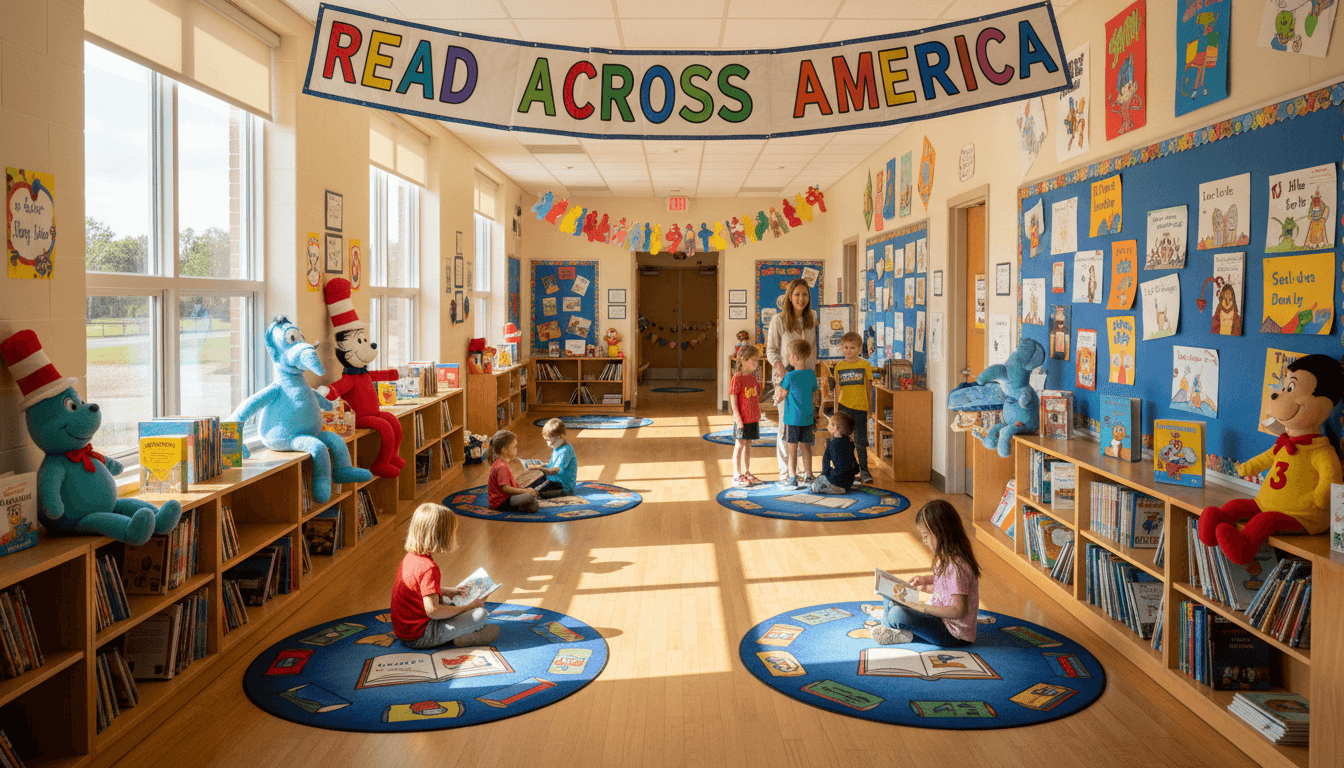
Read Across America week happens in early March, and families usually hear bits and pieces of it through their child. The principal newsletter is the right place to close that loop. Share one or two highlights from the week: a book that multiple classrooms read together, a reading challenge that students participated in, or a guest reader who came to campus.
This kind of reporting serves two purposes. It validates the experience for students who were excited about it and gives families a conversation starter. It also communicates that the school takes reading culture seriously, which matters to families across all grade levels.
Women's History Month in your classrooms
A sentence or two about how teachers are recognizing Women's History Month goes a long way. You do not need a full program description. Mention a read-aloud series, a classroom display, an assembly, or a writing project. Let families know the school is paying attention to the month in a substantive way, not just acknowledging it on a flyer.
If you want to go deeper, recommend one book families can pick up at the library together. Elementary families respond well to one concrete, specific suggestion rather than a general invitation to explore the topic.
State testing: what families of third through fifth graders need to know
March is often the start of the state testing window for third, fourth, and fifth graders. Families appreciate an early heads-up, even if the specific test dates are still a few weeks out. Tell families which grades are tested, what subjects are covered, and what the school is doing to prepare students who need extra support.
Keep the tone practical, not alarming. The most useful things families can do are make sure their child is sleeping enough, eating breakfast on school mornings, and arriving on time. Tell them that directly. Families who feel equipped to help are less anxious about testing than families who are waiting for information.

Spring sports, science fairs, and STEM events
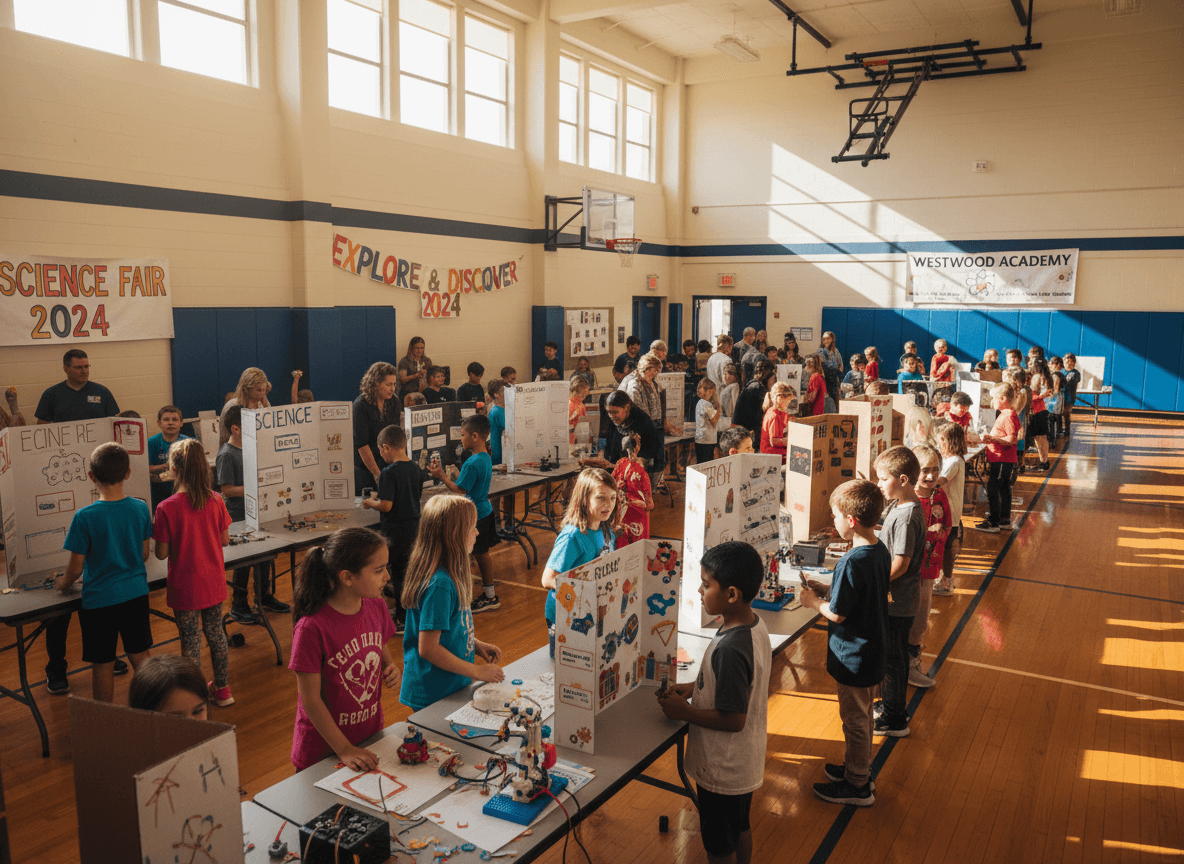
March is typically when spring activity signups open. If your school has spring sports, a science fair, a STEM night, or an outdoor learning event, put the signup deadline in the newsletter. Not just the event date but the deadline to register. Families who miss the signup window and have to ask for an exception create extra work for everyone.
For science fair or STEM events, a brief note about what students will be doing and who judges or evaluates the work helps families understand what their child is preparing for. Elementary students doing their first science project benefit from families who understand what the project involves, not just that it exists.
Parent-teacher conference follow-through
If conferences happened in February or early March, the March newsletter is a natural place to acknowledge what came out of them. You do not need to summarize conference conversations, but a line like "Thank you to the families who joined us for conferences. If you did not connect with your child's teacher and want to schedule a follow-up, the office can help you find a time" is genuinely useful.
It also signals that the school takes conferences seriously as a communication event rather than a checkbox. Families who want follow-up often hesitate to ask. Making the invitation explicit removes that barrier.
Ending the March newsletter with momentum
March sits right before the final quarter of the school year. The closing paragraph of your newsletter is a good place to name that directly. Acknowledge that the year has reached a turning point, recognize the work students and families have put in since August, and point toward what is ahead. Spring tends to bring more events and more demands. Framing that as excitement rather than a countdown to summer keeps families engaged.
Close with one specific request or action item, not a list. If spring break is coming up, remind families to confirm contact information before they travel. If testing is approaching, remind them of the one practical thing they can do to help. One clear ask at the end of a newsletter does more than five vague ones scattered through the body.
Get one newsletter idea every week.
Free. For teachers. No spam.
Frequently asked questions
What is the most important thing to cover in a March elementary principal newsletter?
March has a lot competing for attention: spring break, Read Across America, the start of state testing windows, and spring activities. The most important thing is to triage. Pick the two or three items that require families to do something, and lead with those. A spring break schedule change, a testing prep note for third through fifth grade families, and a signup deadline for spring sports are each more actionable than a general update about how the year is going.
How should an elementary principal communicate about state testing in March?
Be direct and calm. Tell families which grades are tested, roughly when, and what they can do to help their child feel prepared. Focus on practical things: regular sleep, a good breakfast, arriving on time during testing week. Avoid language that creates anxiety about scores or consequences. Families of third through fifth graders especially appreciate knowing whether their child is in a tested grade and what the school is doing to support students who need extra help.
Should the March newsletter cover Women's History Month?
Yes, briefly. Elementary families appreciate knowing that the school is paying attention to the calendar in a meaningful way. You do not need a full program summary. One or two sentences about what teachers are doing in classrooms, a book recommendation, or a mention of a school assembly is enough. It signals that the school takes this recognition seriously without making the newsletter feel like a catalog of every event happening in March.
How do you handle spring break communication in the principal newsletter?
Give families the exact dates, confirm what the schedule looks like the week before and the week after break, and mention any changes to transportation, extended care, or drop-off procedures. If the school has a food pantry program or relies on school meals, March is a good time to share community resources available during the break week. Keep the logistics clear and specific so families have what they need without digging through separate emails.
What newsletter tool works best for elementary principals in March?
Daystage helps principals get a polished newsletter out quickly even during a packed month like March. You can reuse your saved template and school branding, drop in the March-specific content, and send without rebuilding from scratch. The open tracking shows which families read the testing update and which did not, so you can follow up with a targeted reminder rather than resending to everyone.

Adi Ackerman
Author
Adi Ackerman is a former classroom teacher and curriculum writer with 8 years in K-8 schools. She writes about school communication, parent engagement, and what actually works in real classrooms.
More for Principals
Ready to send your first newsletter?
3 newsletters free. No credit card. First one ready in under 5 minutes.
Get started free