

Elementary Principal Newsletter: What to Send in June
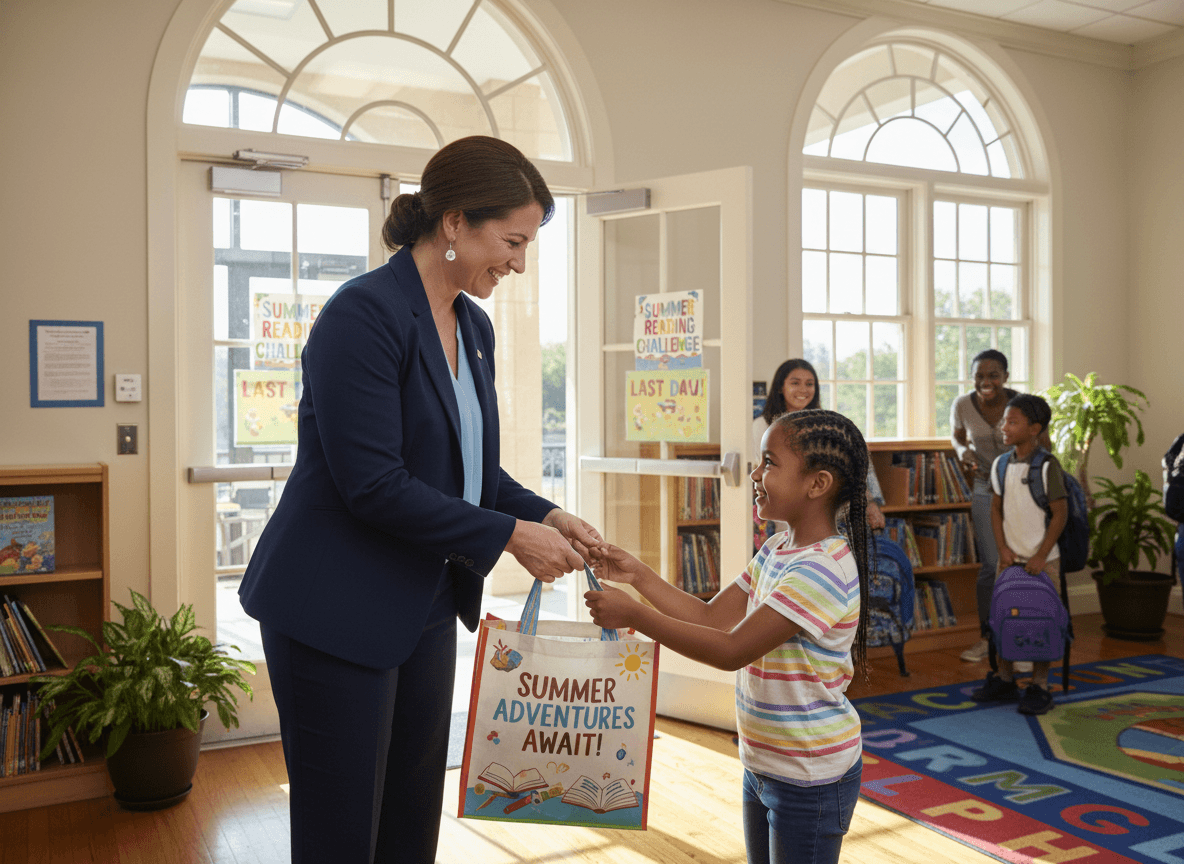
The June newsletter is the last communication many elementary families will receive from the principal before summer. It carries more weight than most newsletters because it closes the year. Families who have been reading since August are paying attention to how you land it.
Done well, the June newsletter covers all the practical end-of-year logistics while also communicating something genuine: that the year mattered, that the community built something together, and that there is more ahead in August. Done poorly, it reads like a list of reminders wrapped in a form letter. The difference is mostly in the specificity of what you choose to say.
Last day logistics: the practical baseline
Before anything else, confirm the last day date and schedule. Some elementary schools have a modified schedule on the final day, altered dismissal times, or a special end-of-year gathering. Families who do not receive this information in writing often find out from other parents at drop-off on the last morning, which is not the communication experience you want for a day that matters.
If there is an open house, classroom clean-out period, or locker and cubby retrieval window, put the dates and times here. Families who need to arrange pickup or childcare need a clear window, not a vague "sometime in the final week."
Report cards: when, where, and what to do with questions
Tell families exactly when report cards will be distributed or accessible. If your school uses a parent portal, mention that specifically and provide the login link or a reminder of where to find it. If physical report cards are sent home, say on which day.
Include a contact point for families who have questions. The office phone, an email address, or a note that teachers are available by appointment through the last week of school. Families who have concerns about a grade or placement are more likely to engage appropriately when they know there is a proper channel for the conversation.
Summer reading: the full details this time
May's newsletter planted the seed. June's newsletter closes the deal. Give families everything they need to actually sign up: the program name, where to register, whether materials are available at school or at the public library, and the dates the program runs.
If the school or library is hosting a kickoff event in early June, include that date. If there are incentives, prizes, or a reading log families can use, mention those. Summer reading loss is real for elementary students, and families who receive a concrete, easy invitation to participate are far more likely to follow through than families who received a vague mention two weeks ago.

Grade transitions: what families want to know
June is when families ask about next year's teacher. If classroom assignments are finalized and you share them in June, include that information or tell families when and how they will receive it. If assignments are not made until August, say that clearly and explain the timeline.
A brief note about how your school approaches classroom placements, that decisions consider academic, social, and learning needs, and that families who have specific concerns should follow the established process, handles a large number of questions before they come in. It also tells families that the process is thoughtful, which matters even when they do not get the outcome they hoped for.
Cubby and locker clean-out: give families the window
Elementary schools accumulate a staggering amount of student belongings over the course of a year. Give families a clear window for cubby and locker clean-out. If students will bring everything home on the last day, say so. If there are unclaimed items from the lost-and-found that will be donated after a certain date, name that date.
This is also the moment to remind families about any items that belong to the school and need to come back: library books, textbooks, reading logs, or instruments. A specific list is more effective than a general reminder.
Thank-you to volunteers and families: be specific
Generic thank-yous at the end of a school year feel like copy-paste from last June's newsletter. Be specific about what your school's families actually did this year. Name the PTA officers by name if your community is small enough. Count the volunteer hours if you tracked them. Mention the families who came to every single event, the ones who showed up to set up at 7 AM, the ones who answered every survey.
Specific gratitude is something families carry with them into the summer. It builds the kind of community loyalty that brings families back in August ready to help again.
What to expect in August
Close the newsletter with a brief preview of the fall. When is the first day of school? When will back-to-school night or orientation be announced? Is there an open house where students can see their classroom before the year starts? Are there any major changes families should know about, like a new bell schedule, a construction project, or a staffing change?
Ending the final newsletter with a forward-looking note tells families that the community continues through the summer and that you are already thinking about what comes next. That is the right note to close a year on: this was good, and more is coming.
Get one newsletter idea every week.
Free. For teachers. No spam.
Frequently asked questions
What should the final elementary principal newsletter of the year include?
The June newsletter needs to close the year practically and warmly. That means covering report card release logistics, confirming the last day schedule, sharing the summer reading program details one more time, and giving families a preview of what to expect when August arrives. It also needs room for genuine appreciation. Families who have invested in the school community all year deserve a closing message that reflects that investment back to them.
How do you handle report card communication in the June newsletter?
Tell families when report cards will be available, whether they are sent home physically or accessed through a parent portal, and who to contact if there is a question or a discrepancy. If any families should expect a follow-up conversation about summer support or grade retention, those conversations happen separately and privately. The newsletter handles the logistics for the majority. Keep it factual and direct.
Should the June newsletter include grade transition information?
Yes, briefly. Families want to know their child's teacher for next year if that information is available, or when they can expect to find out. If teacher assignments are not finalized yet, say when the information will be communicated. A short note about how the school handles classroom placements, and who to contact if a family has concerns, reduces the volume of individual inquiries and respects the process you have in place.
How do you thank volunteers in the June newsletter without it feeling like a form letter?
Name specific things volunteers did. Not just 'thank you to our amazing volunteers' but 'thank you to the 47 families who chaperoned field trips this year, the PTA team who organized the spring carnival, and every parent who showed up for a classroom party with snacks and smiles.' Specific gratitude lands differently than general gratitude. It tells families you noticed, which is the most meaningful thing a principal can communicate at the end of a long year.
How does Daystage help with the June newsletter?
Daystage makes the final newsletter easy to send even when the last week of school is chaotic. Your school branding is already saved, so you are not rebuilding from scratch. The event block can highlight the last day schedule, and the built-in links let you direct families directly to the summer reading program signup. You can also use Daystage to archive the newsletter so new families who join in August can read through what was communicated at the end of the previous year.

Adi Ackerman
Author
Adi Ackerman is a former classroom teacher and curriculum writer with 8 years in K-8 schools. She writes about school communication, parent engagement, and what actually works in real classrooms.
More for Principals
Ready to send your first newsletter?
3 newsletters free. No credit card. First one ready in under 5 minutes.
Get started free