
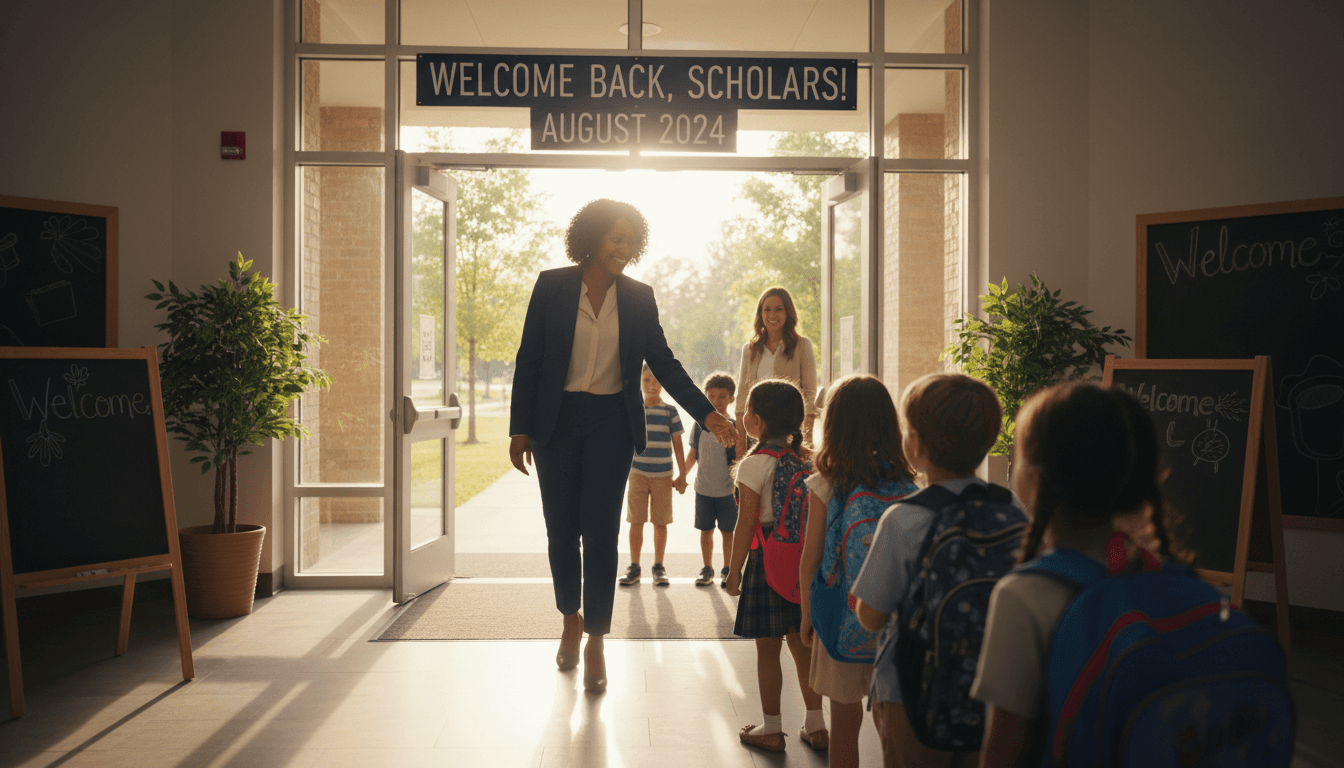
What to Include in an Assistant Principal Newsletter in August

August is when assistant principals earn their reputation for the year. The back-to-school period is logistically complex, emotionally charged for students and families, and full of questions that land on the AP's desk. A proactive August newsletter that addresses the most common concerns before they become problems is one of the most effective tools in your communication toolkit.
Here is what to cover, and how to frame each section so it lands well with families who are reading it on a phone between summer errands.
Introduce Yourself and Your Role
Not every family knows what an assistant principal actually does. A brief introduction explaining your name, your role at the school, and the specific areas you oversee, student conduct, scheduling, attendance, student support, or some combination, gives families a clear picture of when and why they might hear from you.
Include your email address and a note about response time expectations. Families who know how to reach you and what to expect are far less likely to show up at the front office unannounced with something that could have been resolved by email.
First-Day and First-Week Logistics
Cover the operational details that families most commonly ask about in August: first day date and start time, where students should report on the first day, how homeroom or advisory works, locker assignment procedures, and how students get their schedules. If any of these processes changed from last year, highlight that explicitly so returning families do not assume everything is the same.
Include drop-off and pick-up procedures with specific locations. Traffic flow on the first day is almost always chaotic, and a clear map or description of where cars should go prevents the kind of congestion that puts everyone in a bad mood before school even starts.
Student Conduct Expectations
This is the section that most clearly distinguishes an AP's newsletter from a principal's newsletter. Cover your school's core conduct expectations: phone and device policies, dress code, hallway behavior, and cafeteria norms. Do not paste the entire student handbook into the newsletter. Instead, summarize the two or three expectations that most directly affect daily school life and where misunderstandings tend to happen.
Frame conduct expectations as setting students up for success. Explain why the expectations exist, what the school community gains from them, and what support students can expect before formal consequences come into play. This framing is more effective and more accurate than leading with warnings.
Attendance Policy Overview
Spell out your school's attendance policy in plain language. How many absences trigger a concern? What is the difference between an excused and unexcused absence? What happens when a student is chronically absent? Who should families contact when a student will be out, and by when?
For families new to the school, this information is essential. For returning families, a brief reminder prevents the slow-build attendance problems that often start with a few extra days off at the beginning of the year.
Safety and Security Procedures
August is the right time to review safety protocols with families. Cover visitor sign-in procedures, how the school handles early dismissals and student checkouts, and who is authorized to pick up a student. If your school uses a secure entry system or updated identification procedures, explain how they work and why they are in place.
Keep the tone matter-of-fact rather than alarming. Families appreciate knowing that the school takes security seriously, but they do not benefit from language that raises anxiety without providing practical guidance.
Student Support Resources
Introduce families to the student support structures at the school: counselors, social workers, behavioral support staff, and any mental health resources available to students. Many families do not know who to call when their student is struggling emotionally or academically, and making that information visible in the August newsletter removes a significant barrier.
If your school has a formal process for requesting support, a 504 review, a behavior support plan, or a meeting with the counseling team, briefly describe how that process starts.
How to Reach the AP Office
Close with a clear list of contact information. Your email, the front office number, and any online reporting systems your school uses for concerns or requests. Let families know the best channel for different types of situations: routine questions via email, urgent safety concerns via phone, and behavioral incidents via whatever your school's reporting mechanism is.
An accessible, responsive AP office is one of the strongest signals a school can send to families. The August newsletter is your first opportunity to make that case.
Get one newsletter idea every week.
Free. For teachers. No spam.
Frequently asked questions
What should an assistant principal cover in an August newsletter?
August newsletters from assistant principals typically cover student conduct expectations, schedule logistics, drop-off and pick-up procedures, safety and security protocols, and any discipline or attendance policies that families need to understand before the first day of school.
How is an assistant principal newsletter different from a principal newsletter?
While the principal's newsletter tends to cover school-wide vision, academic programming, and community direction, the assistant principal's newsletter often focuses more specifically on operations, student behavior, daily logistics, and the nuts-and-bolts information families need to navigate the school day.
Should an assistant principal introduce themselves in the August newsletter?
Yes, especially for incoming students and new families. A short introduction with your name, your role, and what you are responsible for at the school helps families know who to contact. Include your email and the best way to reach you for different types of situations.
How do I address discipline and conduct expectations without sounding threatening in August?
Frame it as setting students up for success rather than warning them about consequences. Explain the reasoning behind expectations, describe what support looks like before consequences come into play, and signal that the goal is a positive school environment rather than enforcement. Families respond much better to this framing.
What newsletter tool works best for assistant principals?
Daystage works well for assistant principals who need to get a focused, professional newsletter out quickly. You can put together a back-to-school update with sections for conduct, logistics, and contact information in one session, and it goes directly to families without requiring a separate email system.

Adi Ackerman
Author
Adi Ackerman is a former classroom teacher and curriculum writer with 8 years in K-8 schools. She writes about school communication, parent engagement, and what actually works in real classrooms.
More for Principals
Ready to send your first newsletter?
3 newsletters free. No credit card. First one ready in under 5 minutes.
Get started free