

April Community Message Newsletter for Families: Principal Templates
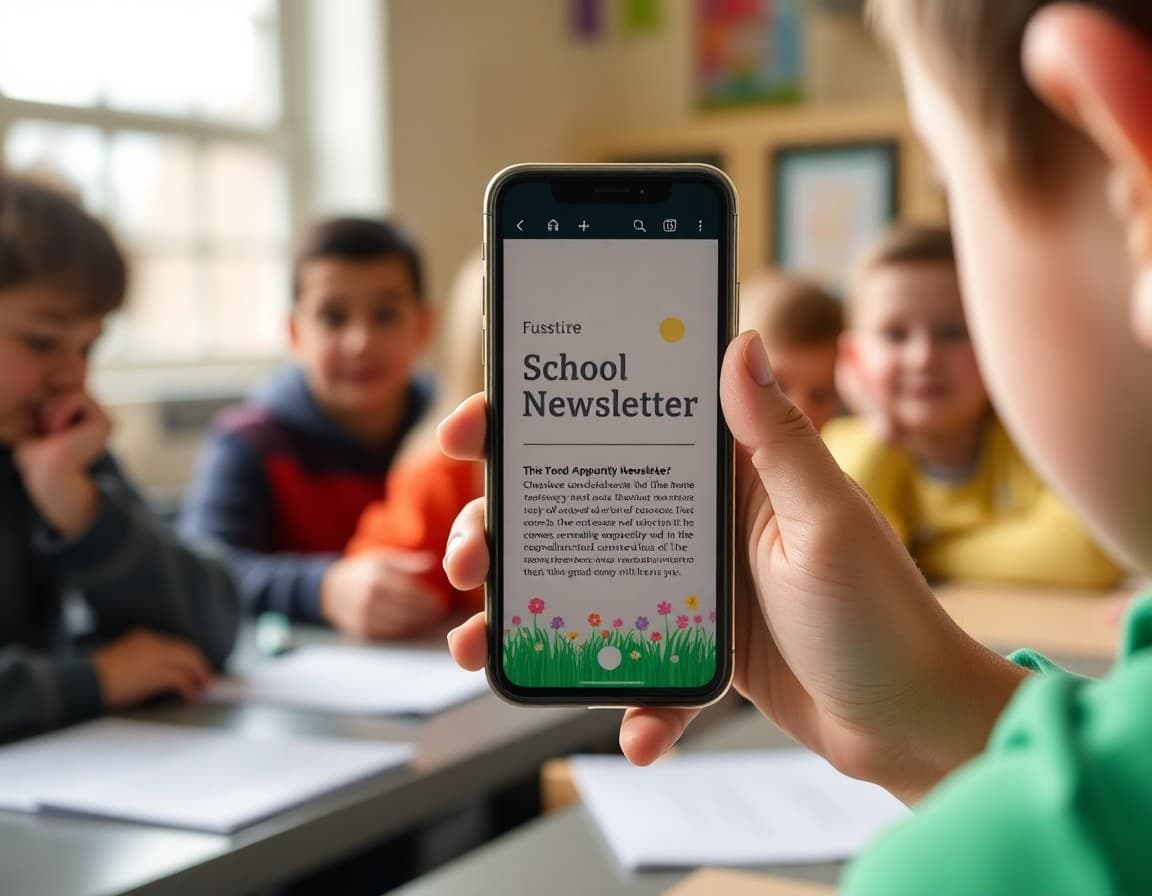
April in a school community has its own rhythm. Testing is winding down, spring events are filling the calendar, and students are oscillating between focused effort and distracted anticipation of summer. Your April community message newsletter has to meet families where they are: engaged, hopeful, and hungry for information about how the year ends. Get it right and you lock in the family goodwill that carries you through May and June.
Start with the Energy of the Season
April has a different feel than February or November. The building is louder, the hallways smell like fresh air from open windows, and students are more present in the best way. Acknowledge it: "The energy in our building right now is something else. Testing is done, spring events are coming, and our students seem like they found an extra gear this month." That kind of opening grounds the newsletter in a specific moment and makes it feel personal rather than templated.
Celebrate What Happened This Month
April typically delivers strong student accomplishments worth naming: science fair results, spring performance reviews, athletic season milestones, student government elections. Pick two or three specific highlights and describe them briefly. A detail like "Our 5th-grade science fair had 34 projects this year, up from 21 last year" is more meaningful than "our students did amazing work." Numbers and specifics are always more powerful than adjectives.
Map Out the Final Eight Weeks
Families in April are starting to think about end-of-year logistics. School pictures, field trips, graduation ceremonies, last day schedules. A forward-looking section with a bulleted list of key May and June dates helps families plan and signals that the school is organized. Even approximate dates reduce the number of "when is...?" emails you receive in May.
Recognize Your Community
April is a good month to recognize the volunteers, families, and community members who have contributed to the school year. You do not need a formal awards section. A short paragraph works: "Thank you to the 47 families who volunteered at our Science Night in March and the PTA leadership team who organized our spring fundraiser. This school runs on people who show up."
A Template Excerpt for April
"April has been a strong month for our community. Testing is behind us, our spring play closes this Friday, and our 8th graders just submitted their capstone projects. Here is what is ahead: Spring Family Picnic: May 16 at 5pm. 8th Grade Graduation: June 12 at 6pm. Last Day of School: June 18 (half day, dismissal at noon). We will send a full end-of-year calendar in the first week of May. Thank you for staying with us through a full and meaningful school year."
Address the Transition for Outgoing Students
If your school has a grade that transitions to a new building next year, April is when to begin those conversations publicly. "For our 5th-grade families heading to middle school next year: the middle school will host a transition night on May 7. Students and families can tour the building, meet counselors, and get their course assignments. We will share registration details this week." Early communication about transitions reduces transition anxiety.
Close with Anticipation, Not Nostalgia
The temptation in April is to start sounding like an end-of-year message. Resist it. You still have two full months of school. Close your April community message with forward energy: "The best part of this school year is still ahead. We will see you at the Spring Picnic." That kind of closing keeps families mentally in the school year rather than already checked out.
An April community message that is warm, specific, and forward-looking sets up a strong May. Families who feel connected and informed in April show up differently at the end-of-year events that matter most.
Get one newsletter idea every week.
Free. For teachers. No spam.
Frequently asked questions
What should an April community message newsletter cover?
April is a good month to celebrate spring events, acknowledge the end of testing season, preview end-of-year activities, and give families a sense of what the final weeks of school will look like. It is also a natural time to recognize volunteers, staff, and student accomplishments before the end-of-year rush begins.
How do I keep an April newsletter from feeling like a countdown to summer?
Anchor it in what is happening right now, not just what is ending. April typically has a lot of genuine activity: science fairs, spring performances, athletic season, community projects. Name specific things that are in progress and why they matter. The newsletter should feel like a mid-season report, not a yearbook.
Should I address the upcoming transition for families of graduates or students moving to a new school?
Yes, and April is a better time than May, when the transition can feel rushed. A brief note about what incoming families can expect for orientation, school tours, or transition events gives families time to plan. For outgoing students, a line about what your school is doing to prepare them for the next level is meaningful.
How do I handle an April newsletter when the school has had a difficult month?
Acknowledge reality without dwelling on it. If April brought a difficult event, you can reference it briefly: "This month had some hard moments, and I want to thank our school community for how you showed up for each other." Then pivot to the present and the path forward. Families respect leaders who acknowledge difficulty without being consumed by it.
What tool do principals use to send April community newsletters?
Daystage is a good fit for monthly community newsletters. It gives you a clean layout that works on every device, lets you schedule sends in advance, and tracks open rates. Many principals draft their April newsletter during a slow morning in March and schedule it to send automatically in the first week of April.

Adi Ackerman
Author
Adi Ackerman is a former classroom teacher and curriculum writer with 8 years in K-8 schools. She writes about school communication, parent engagement, and what actually works in real classrooms.
More for Principals
Ready to send your first newsletter?
3 newsletters free. No credit card. First one ready in under 5 minutes.
Get started free