
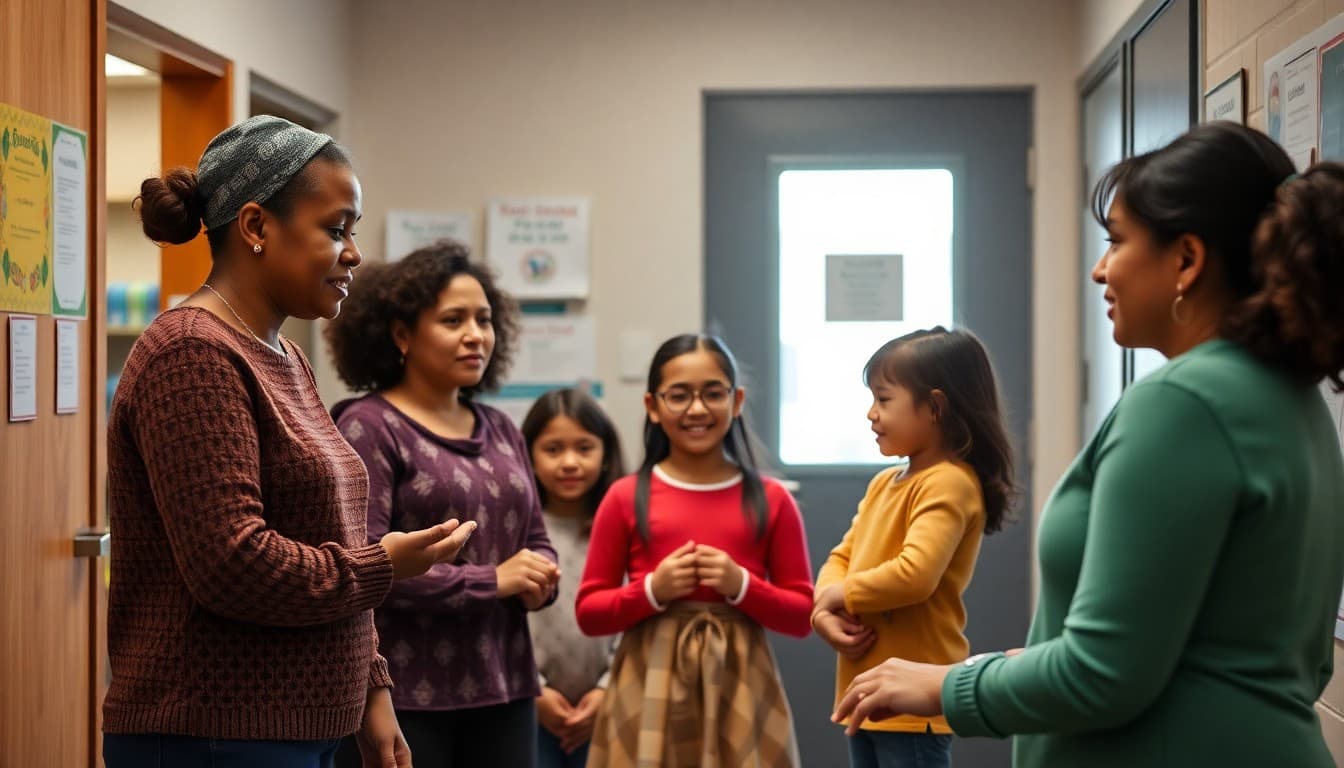
Universal Pre-K Newsletter: Enrollment and Program Information

Universal pre-K represents one of the most significant expansions of public education in a generation, but it only works if families know about it, understand it, and actually enroll. The newsletter is often the first point of contact between a UPK program and the families it is trying to serve. Making that first impression clear, welcoming, and informative is essential.
What Universal Pre-K Is and Who Qualifies
Universal pre-K programs provide publicly funded, high-quality early education to all children who meet the age requirement, typically turning 4 by a specific cutoff date (often September 1 or December 1, depending on the state). Unlike income-restricted programs like Head Start, UPK is available to all families regardless of income, employment status, or immigration status in most states that have implemented it.
Enrollment newsletters need to state this clearly and early. Many families assume they will not qualify because they have been excluded from other programs before. A headline like "Your 4-year-old qualifies automatically if they were born before [date]" removes the uncertainty that causes families to set the newsletter aside without reading further.
What Families Need to Know Before Enrolling
Enrollment communications should answer these questions before families have to ask them: What documents do I need to bring? What are the program hours? Is lunch provided? Is transportation available? What does the classroom look like? How do I know my child will be safe? Will there be people who speak my language?
Addressing these questions proactively in the newsletter reduces the volume of calls to program offices and makes families feel that the program respects their time. Families who receive a newsletter that answers their questions before they think to ask them trust the program more from the beginning.
Describing the UPK Classroom Experience
Many families enrolling their first child in any school program have no frame of reference for what pre-K looks like. The newsletter is the opportunity to paint that picture. Describe a typical morning: arrival routine, morning meeting, learning centers, outdoor time, small group activities, lunch or snack, and dismissal. Include one or two specific examples of what children do, such as "Children sort objects by color and size during our math center time" or "We read two books together every morning and talk about what the characters are feeling."
Specific details reduce anxiety for both children and parents. A child who has heard their parent describe the classroom routine before the first day arrives with less separation anxiety. A parent who knows what the morning looks like sends their child with more confidence.
A Template for UPK Enrollment Announcement Newsletters
This section can be adapted for your program's annual enrollment outreach:
"Universal Pre-K enrollment opens [date] for children born between [date range]. Our program is free for all families and serves children five days per week from [hours]. To enroll, bring your child's birth certificate, proof of address, and immunization records to [location] between [hours] on [dates]. No appointment is required. Questions? Call [number] or email [address]. We speak [languages] and can arrange translation services for other languages."
Keep the enrollment call-to-action at the top and bottom of any outreach newsletter. Families who are already interested should not have to scroll to find what to do next.
Reaching Families Who Are Hardest to Reach
Universal pre-K underenrollment is most concentrated among immigrant families, families experiencing housing instability, and families with limited access to digital communication. These families are often the ones who would benefit most from program services and the least likely to receive outreach through traditional channels.
Effective strategies include partnering with WIC offices, pediatric waiting rooms, faith communities, and community health workers who already have trusted relationships with these families. Translated printed flyers at neighborhood businesses, bus stops, and community centers reach families without reliable internet access. In-person enrollment events at neutral community locations (libraries, community centers) reduce the barrier of approaching a school building for families with negative prior school experiences.
Addressing Common Concerns in the Newsletter
Anticipate resistance and address it directly. Common objections include: "My child is not ready" (the program is designed to meet children where they are), "My child does not speak English" (multilingual children are supported and valued), "My child is shy" (we have a gradual transition plan), "I need full-day care and this is only half day" (we partner with licensed childcare providers for wrap-around care). A FAQ section in the newsletter that addresses these concerns directly converts hesitant families into enrolled families.
Ongoing Program Communication After Enrollment
Enrollment is the beginning of the family relationship, not the end. Once families are enrolled, the newsletter shifts from outreach to engagement. Monthly newsletters that share what children are learning, upcoming events, developmental milestones to watch for, and community resources keep families connected to the program and invested in their child's experience. Programs with strong ongoing communication see better attendance, more family involvement, and higher re-enrollment for kindergarten-transition programs.
Get one newsletter idea every week.
Free. For teachers. No spam.
Frequently asked questions
What information should a universal pre-K enrollment newsletter include?
A universal pre-K enrollment newsletter should cover eligibility requirements (typically turning 4 by a specific cutoff date), the enrollment process and required documents, program hours and schedule options, what children experience in a UPK classroom, and how to contact the program with questions. Many families are unfamiliar with UPK and need both logistical information and reassurance about program quality before enrolling.
How can schools reach families who do not know about universal pre-K?
Partner with pediatric offices, libraries, faith communities, and community organizations that serve families with young children. Post flyers at laundromats, grocery stores, and community centers. Ask enrolled families to share program information with neighbors and friends. Many families eligible for UPK do not enroll simply because they do not know the program exists or assume there is an income requirement. Outreach newsletters translated into community languages significantly increase enrollment in underrepresented communities.
What makes a universal pre-K program different from other preschool options?
Universal pre-K is typically funded by state or local government and provided at no cost to all families with age-eligible children, regardless of income. Program quality standards are usually higher than in the unregulated childcare market. UPK teachers are generally required to hold early childhood education credentials. Class sizes are capped and child-to-teacher ratios are regulated. These features combine to produce stronger child outcomes than market-rate preschool options in most studies.
How should UPK newsletters handle families who speak languages other than English?
Translation into community languages is essential for enrollment outreach. Many UPK programs serving immigrant communities see their largest underenrollment among families with limited English proficiency, not because of lack of interest but because of language barriers in the information they receive. Send newsletters in all languages spoken by 10 or more families in the school's catchment area. Community liaisons and multilingual staff members are invaluable for reaching these families through trusted channels.
Can Daystage help manage universal pre-K program newsletters at scale?
Yes. Daystage supports large-scale newsletter distribution with multi-language options, which is particularly useful for UPK programs serving diverse communities. Program coordinators can create a master newsletter and schedule translated versions to go out simultaneously, ensuring all families receive the same information at the same time regardless of the language they prefer. Open-rate tracking helps identify which families have not received critical enrollment information so staff can follow up directly.

Adi Ackerman
Author
Adi Ackerman is a former classroom teacher and curriculum writer with 8 years in K-8 schools. She writes about school communication, parent engagement, and what actually works in real classrooms.
More for Pre-K
Ready to send your first newsletter?
3 newsletters free. No credit card. First one ready in under 5 minutes.
Get started free