
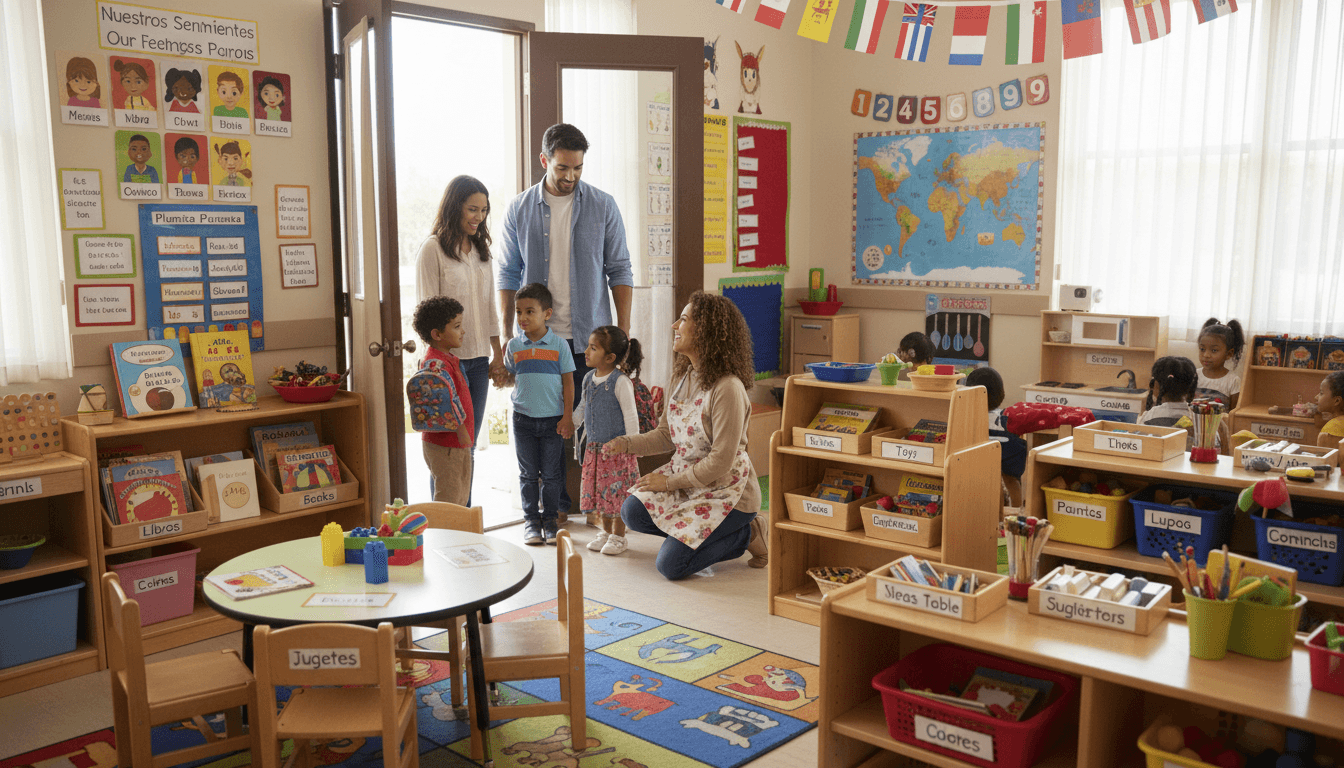
Transitional Kindergarten Newsletter Guide: Bridging Pre-K and Kindergarten Families
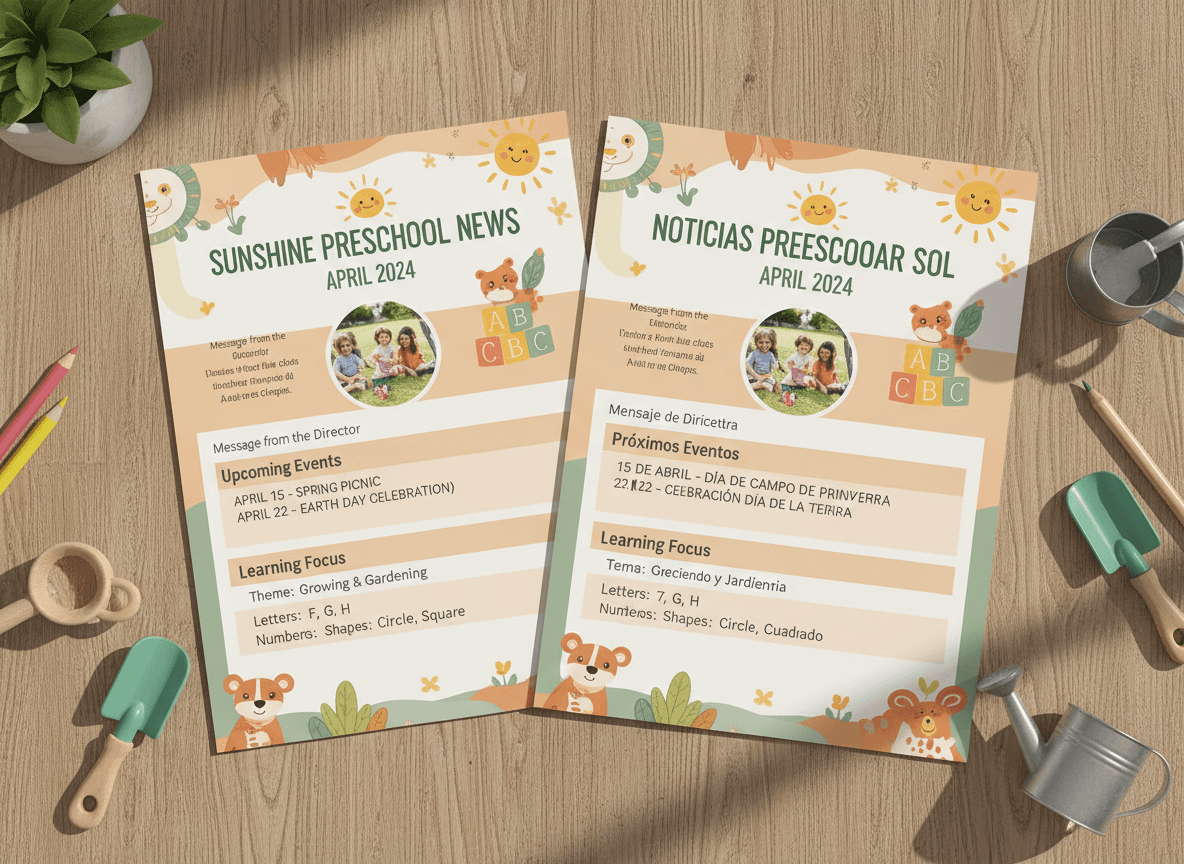
Transitional kindergarten occupies a unique position in early childhood education, and that uniqueness creates specific communication challenges. TK families are often unclear on what TK actually is, how it differs from preschool and kindergarten, and what their child will be ready for when they move on. A newsletter strategy that addresses these questions consistently builds the understanding families need to be effective partners in the TK year.
What TK Actually Is (and Is Not)
Your newsletter should clarify this at the start of the year and reference it periodically. TK is designed for children who miss the kindergarten age cutoff and need an additional year of development before formal kindergarten instruction. It is not preschool. It is not baby kindergarten. It is a purposefully designed bridge year that builds the foundational skills that kindergarten instruction will depend on.
Families who understand this are more patient with the TK approach and more realistic about what progress looks like during the year. Families who think TK is "just waiting a year" are harder to engage with the curriculum.
The Curriculum: What You Are Building
TK curriculum in most states covers literacy and language development, math readiness, social-emotional skills, and executive function development (the ability to focus, follow multi-step directions, and manage transitions). Your newsletter should describe these goals and connect specific classroom activities to them.
A useful framing for TK families: "By the end of the year, we want children to be able to hold a pencil with control, recognize and write their name, count to twenty with understanding, manage a classroom transition without significant support, and feel confident in a school environment. These are the skills that kindergarten instruction builds on."
The Play-Based Approach and Why It Matters Here
TK teachers often encounter pressure from families who want more formal academic instruction. Your newsletter can preempt this by being explicit about why the approach works: children who enter kindergarten with strong executive function, language, and social-emotional skills outperform children who were drilled on academics in preschool and TK but lack the regulatory and language foundation to benefit from formal instruction.
Name the specific executive function skills that play develops: sustained attention, working memory, cognitive flexibility. These are not soft outcomes. They are the specific neural capacities that reading and math instruction depend on.
The Kindergarten Transition
TK newsletters should begin addressing the kindergarten transition around January. Families need time to understand the process: how kindergarten placement decisions are made, what the transition timeline looks like, what skills teachers will be looking for, and how families can support the transition at home.
Sending a dedicated kindergarten readiness newsletter in February or March, well before enrollment decisions are made, gives families the information they need to participate meaningfully in those conversations.
Building the Newsletter Habit in TK
TK teachers who establish a consistent weekly newsletter routine set their families up for kindergarten communication expectations. Daystage supports TK teachers in building that routine with a structured format that takes under twenty minutes to complete and sends directly to the class family list.
Get one newsletter idea every week.
Free. For teachers. No spam.
Frequently asked questions
What makes a TK newsletter different from a kindergarten newsletter?
TK families are often less familiar with the TK program's purpose and sometimes unclear on whether TK is 'real school.' Your newsletter needs to do more contextual work than a kindergarten newsletter. Explain what TK is designed to accomplish, how the curriculum connects to kindergarten readiness, and what success looks like at this level.
How often should TK teachers send newsletters?
Weekly is the standard for TK, consistent with what families will expect in kindergarten the following year. Establishing a weekly newsletter routine in TK also prepares families for the communication culture of K-12 school, which is useful for families who are new to the school system.
What TK-specific topics should newsletters address?
TK newsletters should address the program's academic preparation goals, the play-based learning approach, how children's social-emotional readiness is being developed, and what families will see at the kindergarten level when their child transitions. The kindergarten readiness frame is the most useful context for TK family communication.
How should TK teachers communicate about kindergarten placement decisions?
Any communication about individual kindergarten placement happens in a private conference, not in the class newsletter. The newsletter can provide general information about the TK to kindergarten transition timeline and process, but individual decisions require individual conversations.
Does Daystage work well for TK classroom newsletters?
Daystage works well for TK classrooms and supports the same weekly newsletter format that TK teachers will want to establish for their families.

Adi Ackerman
Author
Adi Ackerman is a former classroom teacher and curriculum writer with 8 years in K-8 schools. She writes about school communication, parent engagement, and what actually works in real classrooms.
More for Pre-K
Ready to send your first newsletter?
3 newsletters free. No credit card. First one ready in under 5 minutes.
Get started free