
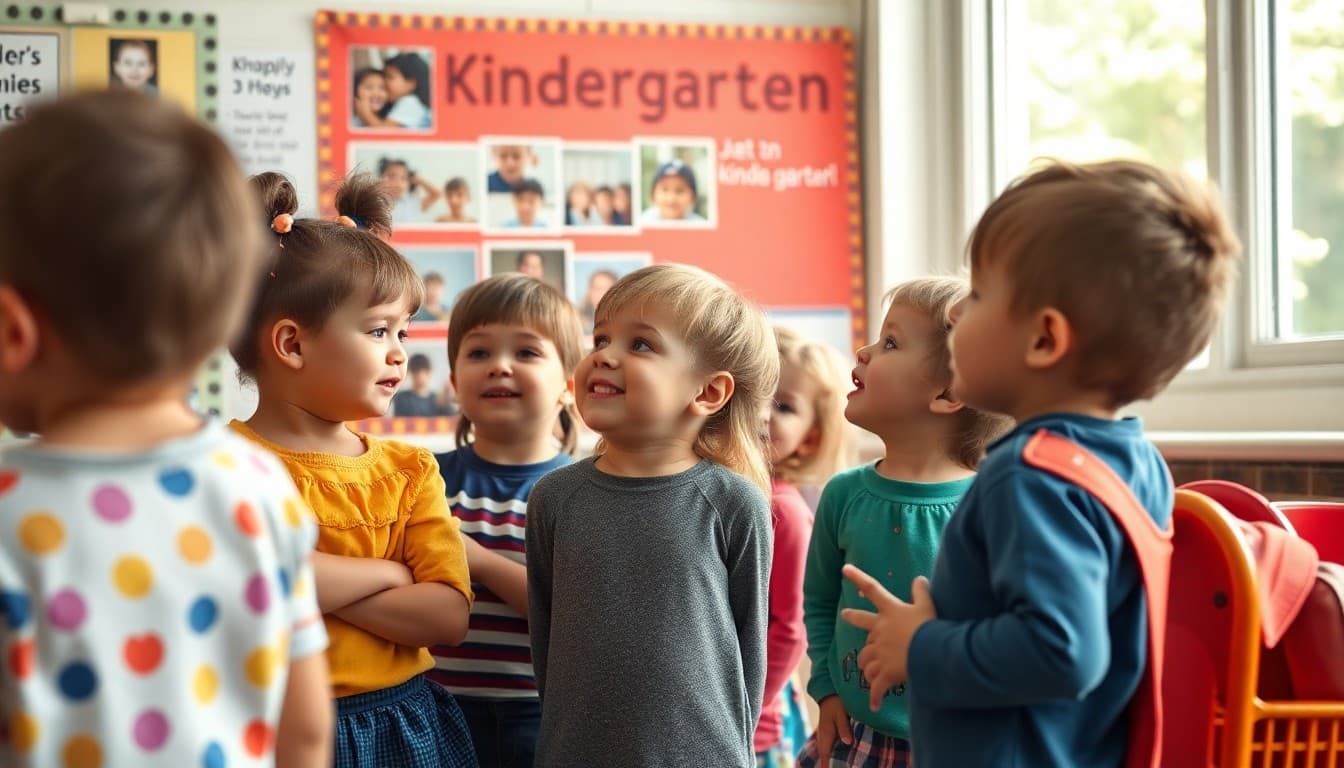
How to Write a Preschool-to-Kindergarten Transition Newsletter
The preschool-to-kindergarten transition is one of the biggest milestones in a young child's life, and the families of your students feel it acutely. A well-crafted transition newsletter does more than send information. It marks a milestone, validates the year, builds confidence, and sends families forward with clarity about what their child is ready for. Here is how to write one.
Stage Your Transition Communication
The first thing your transition newsletter strategy needs is a timeline. Start early and build gradually. A brief introduction to kindergarten in February, something like “here is what kindergarten looks like in our district and what the year ahead holds,” plants a seed without generating anxiety. A more detailed readiness newsletter in April can cover the full developmental picture across academic, social-emotional, and adaptive domains. The final newsletter in the last two weeks of school is the emotional close: a celebration of the year and a genuine send-off. Spreading the content across three newsletters is far more effective than packing everything into one end-of-year communication.
What Families Most Need to Hear
Your transition newsletter should directly address the questions families are carrying but may not ask out loud. Is my child ready? Will they be okay? Are they behind? Will they miss this place? These are the underlying questions behind every “is there anything I should be doing at home?” conversation at pickup. Your newsletter can answer them honestly: here is where your class is developmentally, here is what most kindergartens look for at entry, here is what your child has built this year, and here is my honest assessment that they are going to be okay. Specific, positive, and accurate is far more comforting than vague reassurance.
Addressing the Anxiety Without Amplifying It
Children absorb their families' anxiety about transitions. A child whose parents talk about kindergarten with worry and uncertainty tends to approach the new setting with worry and uncertainty. A child whose parents talk about kindergarten with warm curiosity tends to arrive curious and open. Your newsletter can give families specific language to use with their child: “What are you most excited about? What do you wonder about kindergarten?” These open, forward-looking questions build positive anticipation rather than dwelling on what is unknown or scary. You can also give families permission to talk about feelings directly: it is okay to tell your child that change is sometimes a little scary and also a little exciting, and that both feelings are normal.
A Sample Newsletter Excerpt to Copy
“Kindergarten is coming, and I want to take a moment to tell you how ready I think your child is. This year they learned to manage routines independently, work through conflicts with peers, count and measure and observe, write their name, and sit with a book long enough to fall into a story. That is a year of real work. The academic part of kindergarten will feel manageable because of the thinking skills we built. The social part will feel manageable because of the community skills we practiced. What I want you to do between now and September: relax. Let them play. Let them be 5. The foundation is strong.”
Practical Transition Information Families Need
One section of your transition newsletter should be practical: the logistical things families need to know to prepare for the actual first day of kindergarten. How kindergarten registration works in your district. What to expect at a screening or orientation visit. How the kindergarten day typically differs from the preschool day (longer, more structured, likely a different drop-off and pickup routine). What to practice over the summer: independent bathroom management, opening a lunch container, writing their first name, and following directions from an unfamiliar adult. These practical details reduce the unknown and give families something concrete to act on.
What to Say About This Classroom, This Year
Your transition newsletter is also the right place to reflect on what made this year specific and real. Not the curriculum, but the moments: the experiment that surprised everyone, the book the class fell in love with, the child who figured something out and could not wait to tell the group. These specific, human details are what families remember. They are also what turns a newsletter into a keepsake rather than an information transfer. Write at least one paragraph that is about this year rather than about kindergarten. The year deserves to be named.
Closing the Year Well
The final pre-K transition newsletter should end with warmth and confidence. Not “good luck in kindergarten” but something that genuinely marks the significance of what the child has done and where they are going. You do not need to be effusive or sentimental. You need to be honest and specific: this child grew, this year mattered, they are going to be okay. Families who receive that message carry it with them into the summer and into September. A closing like that is what a Pre-K teacher can offer that no one else in a child's life is positioned to give.
Sending Your Transition Newsletter With Daystage
Daystage makes it easy to send a transition newsletter that looks and feels as significant as the milestone it marks. Include a classroom photo from this year alongside your reflection and practical information. Families can save the newsletter and return to it during the summer when kindergarten anxiety spikes, or share it with grandparents who want to know how the year ended. A newsletter this important deserves to be sent through a platform that delivers it reliably and beautifully, and that gives you confidence families actually received it.
Get one newsletter idea every week.
Free. For teachers. No spam.
Frequently asked questions
When should Pre-K teachers start sending transition newsletters?
Transition newsletter content can begin in late winter (February or March) with early, low-pressure information about what kindergarten looks like. A deeper dive into readiness skills is appropriate in April. The final transition newsletter, which celebrates growth and closes the year emotionally, belongs in the last two weeks of school. This staging lets families absorb the transition gradually rather than receiving everything at once when anxiety is already high.
What are the most common emotional concerns Pre-K families have about the kindergarten transition?
Common concerns include: will my child be ready academically, will they make friends in a new setting, will they be overwhelmed by a larger school, will they miss their current teacher, and whether the specific kindergarten program is the right fit. Newsletters that address these concerns directly, with specific and accurate information rather than vague reassurance, build family confidence more effectively than anything else you can communicate.
How do I close the Pre-K year emotionally through a newsletter?
The end-of-year transition newsletter should acknowledge the significance of what the family has shared with you, name specific growth you observed (even in general terms across the class), express genuine warmth for where the children are going, and offer the family your confidence that their child is ready. It should not be a checklist. It should read like a letter. The emotional quality of this newsletter is remembered long after any specific content is forgotten.
What practical information should a preschool transition newsletter include?
Practical transition information includes: how kindergarten registration works in your district, what to expect at a kindergarten screening or orientation visit, what to pack and how school schedules typically differ from preschool, how to talk to children about the transition in ways that build anticipation rather than anxiety, and what skills families can still build over the summer to support a smooth start.
How does Daystage help teachers send a strong preschool transition newsletter to families?
Daystage makes it easy to send a warm, photo-rich transition newsletter that families will save and return to. Include a classroom photo, a reflection on the year, practical transition information, and a personal closing. Families receive it on their phones and can share it with grandparents and extended family who want to know how the year went. That kind of newsletter becomes a keepsake as much as a communication.

Adi Ackerman
Author
Adi Ackerman is a former classroom teacher and curriculum writer with 8 years in K-8 schools. She writes about school communication, parent engagement, and what actually works in real classrooms.
More for Pre-K
Ready to send your first newsletter?
3 newsletters free. No credit card. First one ready in under 5 minutes.
Get started free