
How to Write a Kindergarten Readiness Newsletter to PreK Parents
Kindergarten readiness is one of the topics families most want to hear about from you, and one of the easiest to get wrong in a newsletter. Too vague, and families hear “don't worry” without any actionable information. Too technical, and you create anxiety rather than confidence. A well-crafted kindergarten readiness newsletter addresses the full picture honestly, specifically, and in a way that sends families into action rather than worry.
What Kindergarten Readiness Actually Means
Start your kindergarten readiness newsletter by reframing the concept. Readiness is not a single bar to clear. It is a profile across several domains: academic, social-emotional, physical, and adaptive. Academic readiness includes letter recognition, early phonological awareness, counting to 20, and vocabulary. Social-emotional readiness includes emotion regulation, turn-taking, following directions, and conflict resolution. Physical readiness includes gross and fine motor control, the ability to hold a pencil, and cut with scissors. Adaptive readiness includes managing personal belongings, using the bathroom independently, and communicating needs to an unfamiliar adult. Your newsletter can walk through these domains one by one so families understand the full picture.
Social-Emotional Readiness Is the Most Predictive Domain
Research and kindergarten teacher reports both indicate that social-emotional readiness predicts kindergarten success more strongly than academic readiness in most school settings. A child who can regulate their emotions, wait their turn, manage disappointment without a major breakdown, and follow a direction from an unfamiliar adult is better positioned for kindergarten learning than a child who knows the alphabet but cannot handle frustration. Your newsletter can make this point clearly and without making families feel that academics do not matter. Both matter. Social-emotional comes first.
Independence Skills: The Overlooked Domain
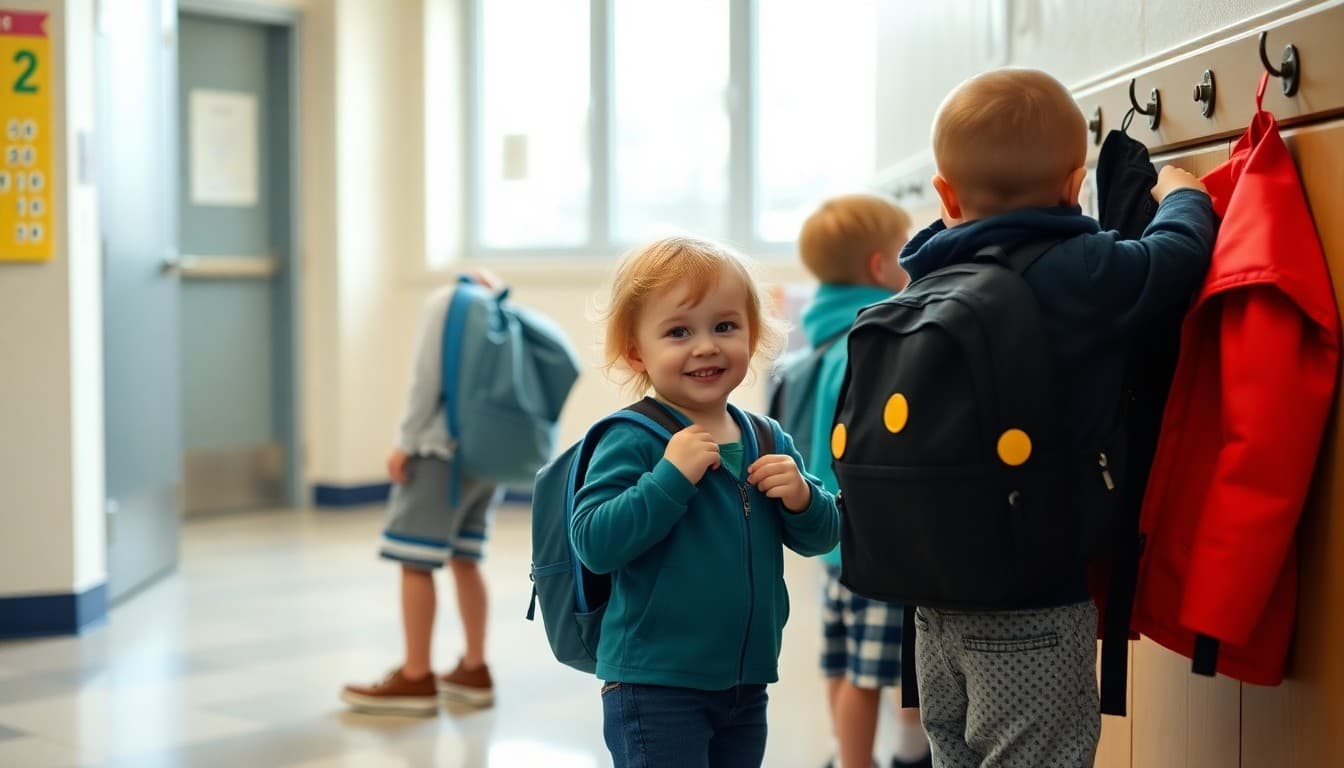
One domain that is consistently underestimated in kindergarten readiness conversations is adaptive independence: the practical self-management skills that allow a child to function in a kindergarten classroom without constant adult support. Can your child zip their own backpack? Open their own lunch container? Use the bathroom without assistance and manage the basic hygiene steps independently? Put on their own coat and shoes? These are the skills that determine how much of a kindergarten teacher's time a child needs, and they are entirely learnable with consistent home practice. Your newsletter can list these specifically so families know exactly what to work on.
A Sample Newsletter Excerpt to Copy
“As we move toward the end of the year, kindergarten readiness is on everyone's mind. Here is a practical list of what kindergarten teachers most want to see at entry. Academics: writes first name, knows most letters, counts to 20. Social: takes turns, handles losing without major upset, follows two-step directions from an unfamiliar adult. Independence: uses the bathroom independently, opens and manages their own lunch, zips and unzips their backpack. The biggest thing you can practice at home right now is independence. Let your child do things themselves, even if it takes longer. That patience now pays off in September.”
Academic Skills Worth Practicing Before Kindergarten
Give families a specific and honest list of academic skills that are worth practicing before kindergarten, without creating anxiety about the ones their child has not yet mastered. Writing their first name from memory is one of the highest-value pre-kindergarten academic tasks. Recognizing most letters, especially those in their name, builds a foundation for phonics. Counting to at least 20 accurately and understanding what those numbers mean builds arithmetic readiness. Sustaining attention for a ten to fifteen minute activity, whether a book, a puzzle, or a building project, builds the learning focus that classroom instruction requires.
Managing Your Own Anxiety About This Transition
Acknowledge in your newsletter that this transition brings up feelings for parents too, not just children. The child who is nervous about kindergarten often catches that anxiety from a parent who is nervous about kindergarten. Families can prepare their children most effectively by talking about kindergarten with warmth and curiosity rather than worry. What are you most excited about? What do you wonder about? Those questions invite positive anticipation. The more specific and accurate the family's picture of what kindergarten is like, the less frightening the unknown becomes.
What You Have Built This Year
Close your kindergarten readiness newsletter by naming what your class has accomplished over the year. Not abstract assessments, but specific, concrete growth. Children who could not write their name in September can now write it confidently. Children who needed help with every routine now manage most of them independently. Children who cried at drop-off for weeks now walk in ready to work. Whatever is true and specific for your class, name it. Families need to hear from you that their child is ready, with the evidence to believe it.
Sending Your Kindergarten Readiness Newsletter With Daystage
Daystage makes it easy to send a kindergarten readiness newsletter that covers the full developmental picture rather than just academics. Include a checklist families can save and refer to, a classroom photo that shows how far the children have come, and specific practices for the final weeks of school. Families who feel informed and equipped approach the kindergarten transition with confidence rather than dread, and your newsletter is what gives them that.
Get one newsletter idea every week.
Free. For teachers. No spam.
Frequently asked questions
What does kindergarten readiness actually mean across developmental domains?
Kindergarten readiness is not a single skill but a profile across several domains: academic readiness (letter recognition, counting to 20, basic vocabulary), social-emotional readiness (regulating emotions, taking turns, following directions), physical readiness (gross and fine motor skills for sitting, holding a pencil, cutting with scissors), and adaptive readiness (managing routines independently, using the bathroom without assistance, communicating needs). Research suggests that social-emotional and adaptive readiness predict kindergarten success more strongly than academic readiness in most school settings.
How do I address the anxiety Pre-K parents often feel about kindergarten readiness?
Normalize the anxiety first: the transition to kindergarten is a major milestone and families feel it acutely. Then provide information that is specific and calm rather than vague reassurance. Tell families exactly what kindergarten teachers typically want to see at entry. Give them a clear and honest assessment of what their child has already built this year. Focus on growth rather than gaps. A parent who knows that their child has grown significantly and knows what specific things to practice at home is in a much calmer place than one who just hears 'don't worry.'
What are the most important things Pre-K children can practice before kindergarten?
The highest-impact practices for kindergarten transition are: independent bathroom use, independently managing their belongings (backpack, lunch, shoes), following two and three-step verbal directions, sustaining attention for a ten-minute activity, writing their first name, recognizing most letters, counting to at least 20, and managing disappointment and conflict without adult mediation most of the time. These span academic, adaptive, and social-emotional domains.
How do I explain to parents that kindergarten readiness is not just about academics?
Use the kindergarten teacher's perspective: kindergarten teachers routinely say that the children who struggle most at entry are not those who cannot read yet but those who cannot regulate their emotions, follow directions, or work independently. A child who cries for twenty minutes when they lose a game slows the whole group. A child who can manage transitions, wait their turn, and ask for help appropriately is better prepared for the kindergarten learning environment than a child who can read but cannot handle frustration. Your newsletter can present this framing directly.
How does Daystage help teachers send kindergarten readiness newsletters to families?
Daystage makes it easy to send a kindergarten readiness update that covers multiple developmental domains, includes a take-home checklist of skills to practice, and links to resources families might find useful. Families receive it on their phones and can review it at their own pace, which matters for a newsletter covering as much ground as kindergarten readiness.

Adi Ackerman
Author
Adi Ackerman is a former classroom teacher and curriculum writer with 8 years in K-8 schools. She writes about school communication, parent engagement, and what actually works in real classrooms.
More for Pre-K
Ready to send your first newsletter?
3 newsletters free. No credit card. First one ready in under 5 minutes.
Get started free