

Pre-K Backpack Newsletter: What to Send and Not Send
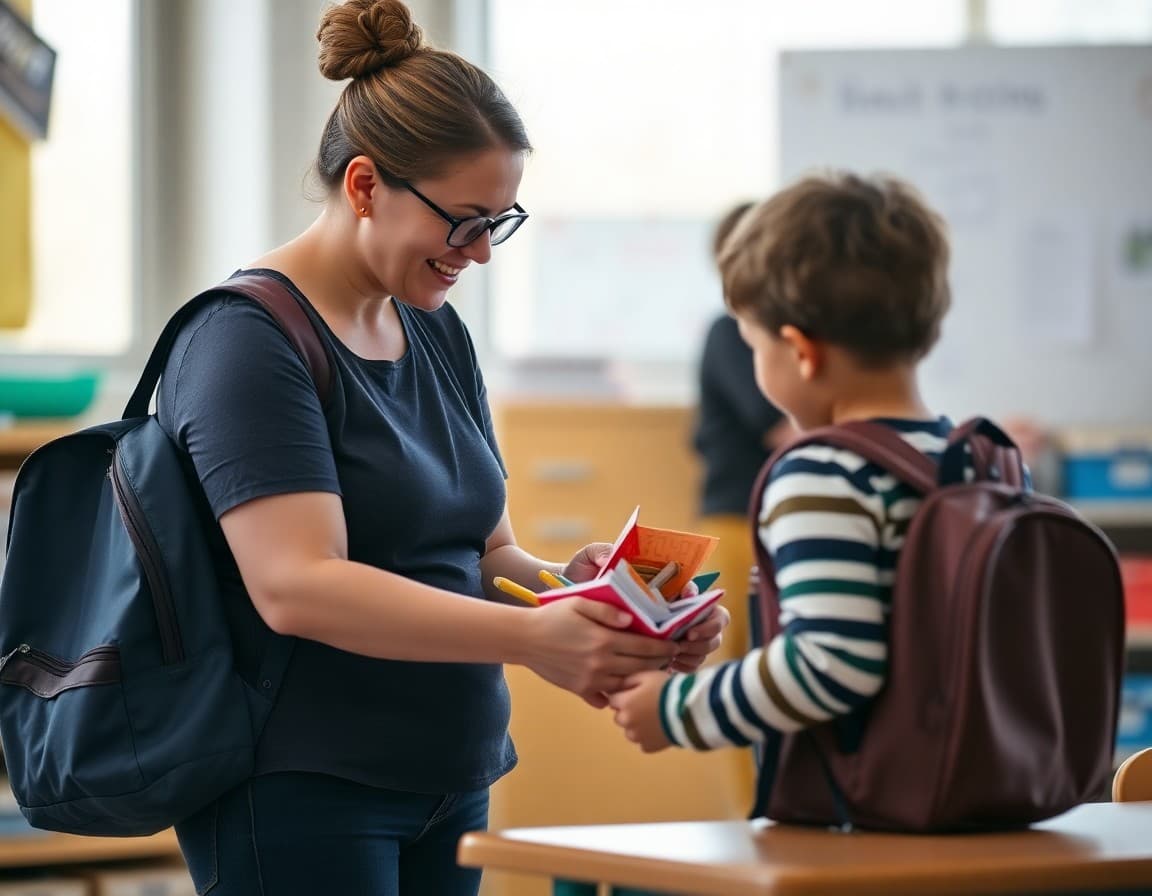
The backpack newsletter is one of the most read communications a pre-K teacher sends, because it is about something concrete and immediate. Families who have never sent a child to school before especially appreciate specific guidance about what goes in, what stays home, and how to set up a routine that does not require hunting for the permission slip at 7:52 AM.
The Four Things That Should Always Be in the Backpack
A spare change of complete clothing: shirt, pants or shorts, underwear, and socks. Accidents happen at all ages in pre-K, and a child who needs a clothing change but has nothing in their backpack spends the rest of the day in the nurse's office reserves or in something ill-fitting from the lost-and-found. Put the spare clothes in a labeled ziplock bag inside the backpack and check and refresh it monthly or after it gets used.
A labeled water bottle. Not juice, not a capri sun, not a thermos of chocolate milk. A water bottle. Dehydration in preschool children affects attention, mood, and behavior more quickly than in adults. A child who drank only a small amount of water since morning is often the child who is melting down at 10:00 AM. Wash the water bottle every day. Mold in the mouth piece of a water bottle that a 4-year-old is drinking from regularly is a genuine health concern.
A signed communication folder or log if your program uses one. And any required medications with completed authorization forms. Not in the backpack in a pill bottle without forms. With completed forms, every time.
What Stays Home
Toys from home are the most consistent source of pre-K backpack conflict. A beloved action figure that another child admires creates a social situation that no pre-K teacher wants to manage 14 times before 9:00 AM. Toys that are shared generously can get damaged. Toys that are not shared create exclusion. The simplest policy is the clearest one: no toys from home except on designated show-and-tell days, which we announce in advance.
Food that violates the school's allergy or nutrition policy. Even if you are certain the granola bar is safe, the one with a hidden tree nut gets there occasionally. Save everyone the risk and follow the policy for every item.
Jewelry and accessories that could be lost, pulled, or cause injury. A pre-K child who arrives with a bracelet they are deeply attached to creates a 30-minute emotional situation when it breaks on the climbing structure. Leave it at home on school days.
A Template for Your Backpack Policy Newsletter
This section can go out at the start of the year and be referenced any time a reminder is needed:
"Please check your child's backpack every day. Here is what should always be inside: a spare complete change of clothes in a labeled bag, a clean water bottle, and any forms or folders that need to come back to school. Here is what we ask families not to send: toys from home (except on show-and-tell days), food that is not on our approved snack list, and any item you would be upset to lose or see damaged. Everything in the backpack, including the backpack itself, should have your child's full name on it."
The Backpack as Communication Channel
Paper communication that goes home in the backpack has a genuine problem: it often does not make it from the backpack to an adult's hands. Pre-K children do not reliably pass on papers. They are more interested in telling you about the caterpillar they found at outdoor time than in handing you the field trip permission slip. A parent who assumes they would have received any important communication from the school if the child had not mentioned it is making a risky assumption.
Building the habit of checking the backpack the moment it comes off the child's shoulders every day is one of the most effective communication behaviors families can establish in pre-K. Five days of checking produces zero missed permission slips. Five days of not checking produces at minimum one frantic phone call about a field trip the family did not know was happening tomorrow.
The Evening Backpack Routine
The most effective approach is to pack and check the backpack the night before school, not the morning of. Morning routines in households with preschoolers are already stressful. Adding "is everything in the backpack" to a morning that also involves convincing a 4-year-old to eat breakfast, put on shoes, and get out the door on time is a setup for something being forgotten.
An evening backpack routine that takes five minutes: take out anything that came home from school, sign any forms, put the signed forms back in the appropriate pocket, check that the water bottle is washed and ready, check that the spare clothes bag is still in there, and hang the packed backpack by the door. That five-minute investment prevents the frantic searching that costs significantly more time the next morning.
Backpack Size and Physical Considerations
Children this age should carry backpacks that weigh no more than 10% of their body weight, which for a 40-pound 4-year-old is 4 pounds. An oversized backpack loaded with extra items becomes a posture and balance issue for a small child navigating stairs and hallways. Keep the backpack light and the size appropriate. The standard pre-K backpack needs to hold a folder, a water bottle, a spare clothes bag, and a lunch box if applicable. A 12-14 inch children's backpack handles that load without the child being thrown forward by the weight.
What to Do When Something Goes Missing
Lost items are a near-universal pre-K experience. Check the lost-and-found first, which in most schools lives near the front office or the gymnasium. A labeled item that ended up in the wrong cubby or on the wrong hook is usually found within two days. An unlabeled item that looks like six other children's identical navy blue backpacks may never be recovered. Label everything. When a labeled item is not in the lost-and-found after three days, contact the teacher directly. Items occasionally end up in another child's cubby and are retrieved quickly once the teacher knows to look.
Get one newsletter idea every week.
Free. For teachers. No spam.
Frequently asked questions
What should always be in a pre-K backpack?
The essentials for a pre-K backpack are: a spare change of complete clothing (shirt, pants, underwear, socks) in a labeled ziplock bag, a labeled water bottle, any required medications with completed authorization forms, and any items the school specifically requests such as a folder for papers or a communication log. Everything in the backpack should be labeled with the child's name. The backpack itself should be labeled, ideally with both the child's name and a phone number.
What items should not go in a pre-K backpack?
Items that should not come to school in a pre-K backpack include: toys from home (they get lost, broken, and cause social conflict), any food that violates the school's allergy or nutrition policy, money (unless specifically requested for a field trip or event), jewelry that can be lost or create safety issues, and anything fragile or valuable that the parent would be upset to see damaged. Personal comfort items like a stuffed animal are appropriate only if the school has a specific comfort item policy.
How big should a pre-K backpack be?
For a pre-K child, a backpack that is appropriately sized means the bag is no wider than the child's torso and no longer than the distance from the child's shoulders to their waist. Oversized adult-style backpacks throw small children off balance, contribute to posture problems over time, and make it difficult for children to manage their own belongings independently. A dedicated children's backpack in a 12-14 inch size is appropriate for most pre-K programs.
How can families set up a reliable backpack routine at home?
A consistent location for the backpack (always hung by the door, always on the chair by the kitchen table) and a consistent routine for packing it the night before rather than the morning of school reduces the number of forgotten items significantly. Many families do a 'backpack check' as part of the bedtime routine: folder out, homework (if any) signed, spare clothes fresh, water bottle washed and refilled, lunch or snack packed if needed. The 10-minute evening routine prevents the 20-minute morning crisis.
How does the pre-K teacher communicate about what goes home in the backpack?
Paper communication from pre-K classrooms gets lost at an astonishing rate. A permission slip that was carefully placed in the backpack on Tuesday has a meaningful chance of still being there, crumpled under the spare socks, on Friday. Digital newsletters through tools like Daystage reach families directly on their phones and allow teachers to include forms as links rather than paper inserts. Families who receive digital communication are significantly more likely to respond to time-sensitive requests than those who rely on paper in the backpack.

Adi Ackerman
Author
Adi Ackerman is a former classroom teacher and curriculum writer with 8 years in K-8 schools. She writes about school communication, parent engagement, and what actually works in real classrooms.
More for Pre-K
Ready to send your first newsletter?
3 newsletters free. No credit card. First one ready in under 5 minutes.
Get started free