
Hawaii Pre-K Newsletter: Local Resources and Guide for Families
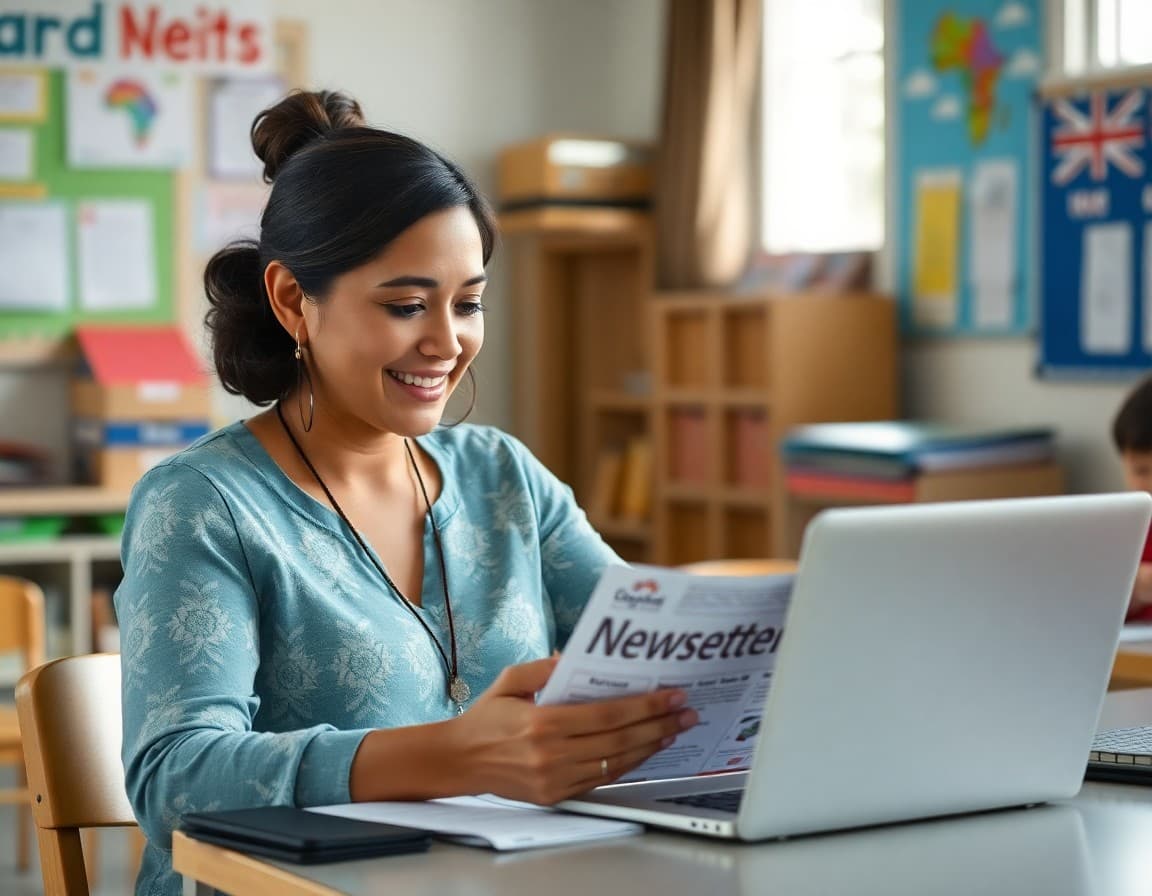
Hawaii's Pre-K teachers work in one of the world's most culturally rich early childhood environments. A newsletter that reflects Hawaii's unique blend of cultures, its natural environment, and the aloha spirit that shapes community life here is a fundamentally different document from a generic preschool newsletter template.
Hawaii's Early Childhood System
Hawaii operates Pre-K through a combination of Preschool Open Doors subsidized community programs, Head Start sites, Department of Education public Pre-K classrooms, and private programs. The Executive Office on Early Learning coordinates early childhood policy and family engagement expectations across these systems. For teachers in any of these settings, consistent family communication is a quality expectation and a practical tool for keeping families engaged year-round.
Cultural Responsiveness in Hawaii Pre-K Newsletters
Hawaii is home to Native Hawaiian families, Pacific Islander communities from Samoa, Tonga, Micronesia, and Marshallese backgrounds, as well as large Filipino, Japanese, and mixed-heritage families. A newsletter that acknowledges this diversity, uses culturally relevant examples, incorporates a few Hawaiian words, and reflects the local community builds trust in a way that a generic early childhood newsletter cannot. Even small gestures, like beginning with “Aloha families” or including a Hawaiian word of the week, signal that the program belongs to this community.
Hawaiian Language in Early Learning
Hawaiian language revitalization is an active cultural priority in Hawaii. Even in non-immersion programs, incorporating a few Hawaiian words into your newsletter each week, nature, animals, family terms, or counting words in Hawaiian, supports the broader community goal of keeping the language alive. It also gives all children in your class, not just Native Hawaiian children, exposure to a beautiful and historically significant language.
A Sample Newsletter Excerpt to Copy
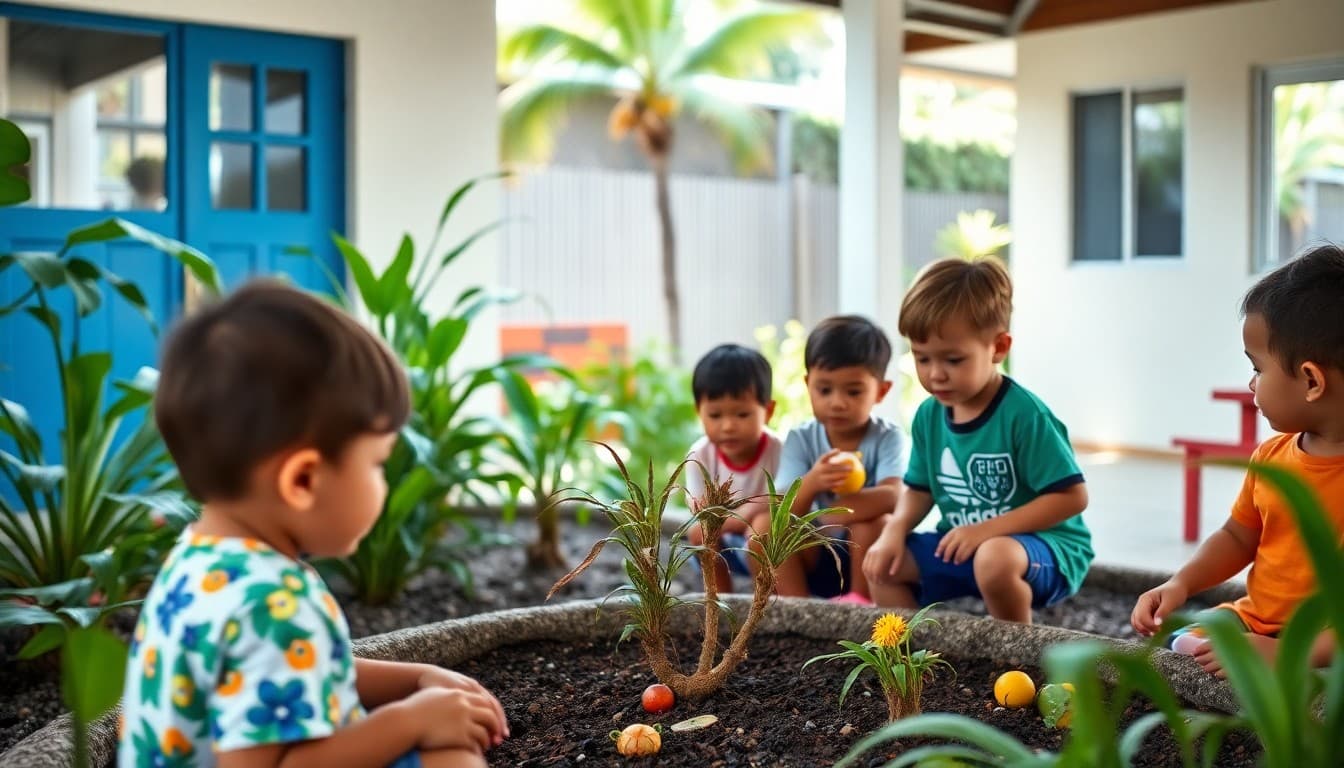
“Aloha families! This week we went outside and observed what was growing near our school. We talked about the different colors, textures, and shapes we saw. ‘Malama i ka aina’ means to care for the land in Hawaiian, and we talked about why that matters. At home, take a nature walk and ask your child to describe three things they see. Color, shape, and texture. Three descriptive words per object is a big language win.”
Hawaii's Outdoor Environment as Curriculum
Hawaii's natural environment is extraordinary. The ocean, volcanic landscapes, tropical plants, and native birds are available to most Hawaii Pre-K classrooms as a living science curriculum. When you take children outside and share what you explore in your newsletter, you invite families into that learning. Even families who feel uncertain about classroom academics can participate enthusiastically in conversations about the ocean, the rain, or what was growing outside at school.
Multilingual Hawaii Pre-K Families
Hawaii's Pre-K population includes many families whose primary language is Ilocano, Tagalog, Samoan, Chuukese, or another Pacific or Asian language. English-only newsletters leave these families outside the communication loop. Assess your specific classroom language mix and, at minimum, offer translated key action items upon request. For programs with significant Ilocano or Tagalog populations, even a short translated paragraph goes a long way toward building trust.
Hawaii Local Resources for Pre-K Families
The Hawaii Children's Discovery Center in Honolulu offers family-friendly exhibits aligned with early childhood learning. The Bishop Museum hosts cultural and natural history programs for young children. The Hawaii State Public Library system has locations on all major islands with early literacy programming. The Kamehameha Schools publish Hawaiian cultural education resources for families that are particularly valuable for programs serving Native Hawaiian children.
Building Hawaii Pre-K Family Connections With Daystage
Daystage lets Hawaii Pre-K teachers build newsletters that reflect their community's visual richness and cultural character. Teachers can include photos from outdoor explorations, cultural events, and classroom activities in a polished format that lands directly on family phones. In Hawaii's highly mobile-connected family population, direct-to-phone delivery is more reliable than email or paper, and the consistent communication builds the long-term relationships that make Hawaii's family-centered early childhood culture work.
Get one newsletter idea every week.
Free. For teachers. No spam.
Frequently asked questions
What Pre-K programs are available in Hawaii?
Hawaii's primary state-funded Pre-K program is Preschool Open Doors (POD), which provides subsidized preschool for income-eligible 3- and 4-year-olds at licensed community childcare centers. Hawaii also has Head Start and Early Head Start programs, the Department of Education's Keiki Steps program for children with developmental needs, and public school Pre-K programs at some elementary schools. The Hawaii Department of Education Early Learning Section oversees public school early childhood programs.
How does Hawaii's cultural context affect Pre-K newsletters?
Hawaii has a uniquely multicultural early childhood population including Native Hawaiian, Pacific Islander, Filipino, Japanese, Chinese, Korean, and other communities. Culturally responsive newsletters acknowledge this diversity and actively incorporate Hawaiian language, values like aloha and malama, and culturally relevant content. For programs serving Native Hawaiian families, connecting to Hawaiian cultural practices and language strengthens the family-school partnership significantly.
What are Hawaii's early learning standards?
Hawaii uses the Hawaii Early Learning Profile (HELP) alongside state early learning standards administered by the Hawaii Department of Education and the Executive Office on Early Learning. The standards cover approaches to learning, language and literacy, mathematics, science, social studies, creative arts, and social-emotional development. Programs that translate these standards into plain-language newsletter content help families understand what their child's program is building toward.
What Hawaii-specific resources can Pre-K newsletters reference?
Hawaii families have access to the Hawaii Children's Discovery Center in Honolulu, the Bishop Museum, the Hawaii State Public Library system with strong early literacy programming, and the Waikiki Aquarium. The Kamehameha Schools publish Hawaiian cultural and educational resources for families. The Executive Office on Early Learning also publishes parent guides for Hawaii's early childhood programs.
What newsletter tool works for Hawaii's diverse Pre-K communities?
Daystage works well for Hawaii's Pre-K programs. Teachers can build visually rich newsletters that incorporate photos and culturally relevant content. For Hawaii's many multilingual families, the platform's clean visual format makes key information accessible regardless of language background. Direct delivery to family phones is particularly effective in Hawaii where families are busy and highly mobile-connected.

Adi Ackerman
Author
Adi Ackerman is a former classroom teacher and curriculum writer with 8 years in K-8 schools. She writes about school communication, parent engagement, and what actually works in real classrooms.
More for Pre-K
Ready to send your first newsletter?
3 newsletters free. No credit card. First one ready in under 5 minutes.
Get started free