

How to Write a School Newsletter Parents Actually Read (Not Just Open)
Open rates measure whether parents gave you a chance. Read-through rates measure whether you earned it. Most school newsletters fail at step two. Parents open, scan the first paragraph, and close. The information never lands.
Writing a newsletter parents actually read requires making different choices at every stage: how you structure it, how you open each section, and how you treat the reader's time. Here is what those choices look like in practice.
Start with the most important thing, not the friendliest thing
A lot of newsletters open with "Dear Families, I hope you are all doing well and enjoying this beautiful spring weather." This is polite. It is also why parents stop reading by sentence two.
Bury the pleasantries. Lead with what matters most this week. If there is a permission slip due Friday, say that in your first sentence. If something interesting happened in class, describe it specifically. Give parents a reason in the first 20 words to keep going.
The friendliness can come through in your tone, not your preamble. A newsletter that respects a parent's time is itself a form of warmth.
Use headers so parents can navigate, not just read
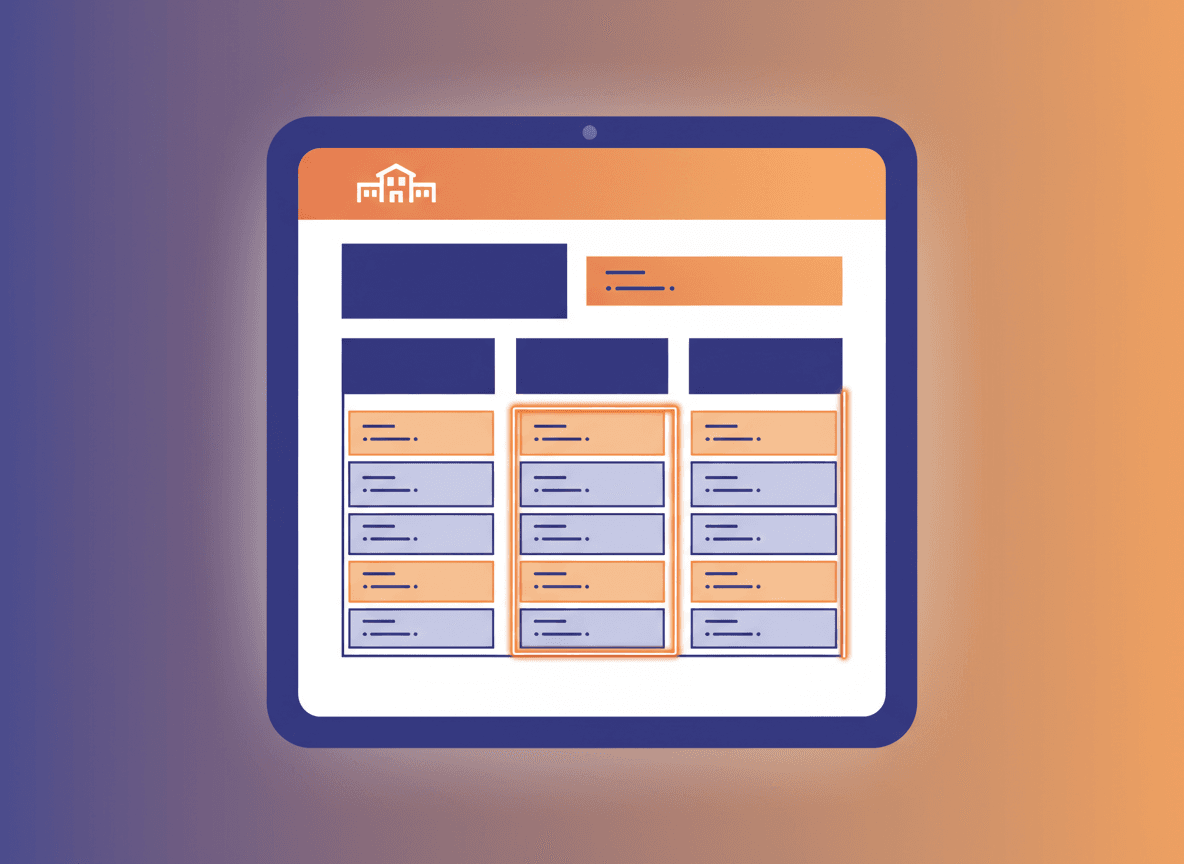
Most parents do not read newsletters start to finish. They scan for what applies to them. Headers let them do that. A newsletter without headers forces every parent to read every word to find the one thing they needed, and most will not bother.
Good header structure for a classroom newsletter:
- This week in [subject] for classroom updates
- Coming up for upcoming dates and events
- Action needed for anything requiring a parent response
- Resources and links for anything you want to share
Principals can use similar logic scaled to the whole school: instruction updates, school events, family actions needed, and community resources.
Write like a person, not a school
"The administration wishes to inform families that the upcoming field trip has been rescheduled due to logistical concerns" communicates the same fact as "Field trip moved to May 15, same plan otherwise." One sounds like a press release. The other sounds like a person talking to another person.
Read your newsletter out loud before you send it. If you would not say a sentence that way to a parent at pickup, rewrite it. Passive voice, jargon, and institutional phrasing all signal "this is not worth reading carefully."
Include at least one specific student moment each week
Parents read newsletters more carefully when they believe their child might be mentioned or when they can picture their child in what is being described. A brief, specific classroom moment accomplishes both.
You do not need to name specific students (and in many cases you should not). But you can write: "During our science experiment this week, one student asked why ice melts faster in salt water. That question turned into a 20-minute discussion I did not plan." That is a real moment. Parents can picture their kid in that room. They keep reading.
Contrast that with: "Students continued working on their science unit this week." That tells parents nothing that matters to them personally.
Keep paragraphs short
Long paragraphs feel like work. On mobile especially, a wall of text signals "this will take too long." Break your content into short paragraphs of two to four sentences. If a paragraph runs longer than five sentences, find the natural break and split it.
Use bullet points for lists of items (upcoming dates, supplies needed, reminders). Do not put list items in paragraph form. A list of four reminders in paragraph form buries the fourth item. A bulleted list makes all four equally visible.
Give parents something they can use with their child
The most-clicked links and most-remembered sections of school newsletters are the ones that give parents something actionable at home. A question to ask their child about what they learned. A book recommendation. A math game that reinforces what you covered this week.
This content takes five minutes to write and it creates a reason for parents to look forward to your newsletter. They know it will give them a conversation starter.
End with one clear call to action
Many newsletters end with a list of five things parents need to do: return the form, sign the permission slip, update the emergency contact, register for the event, and buy the supplies. Five calls to action is zero calls to action. Parents feel overwhelmed and do none of them.
Close with the single most important thing you need parents to do this week. Put everything else higher in the newsletter under "Coming Up" or "Action Needed." Let the final sentence be clean and specific: "The most important thing this week: return the signed permission slip by Friday."
How Daystage helps you write faster without writing worse
Writing a polished, readable newsletter every week takes time. Daystage's AI draft feature gives you a starting point based on what you want to cover, and the block-based editor lets you organize content into headers and sections without fighting with formatting tools.
The goal is a newsletter that takes 20 minutes to write and five minutes to read, not the other way around. With the right structure in place, the writing gets faster every week.
Get one newsletter idea every week.
Free. For teachers. No spam.
Frequently asked questions
When should the most important information appear in a school newsletter?
The first sentence. Parents read newsletters on their phones in 90-second windows, and many stop after the first paragraph. If the action item or key update is in paragraph four, most parents never reach it.
What writing style makes school newsletters more readable for parents?
Write like a person, not an institution. Read every sentence out loud before sending. If you would not say it that way at pickup, rewrite it. Passive voice and education jargon signal that the newsletter is not worth reading carefully.
How should teachers structure a school newsletter so parents can navigate it?
Use headers that label each section clearly: This Week in Class, Coming Up, Action Needed, Resources. Parents do not read newsletters start to finish. They scan for what applies to them, and headers make that possible in under 30 seconds.
What should teachers avoid when writing school newsletters that hurts readability?
Avoid long paragraphs, preamble openings like 'I hope this finds you well', and vague curriculum summaries. Long paragraphs feel like work on mobile. Generic updates like 'students continued their math unit' give parents nothing to connect to their child's experience.
What tool helps teachers write school newsletters parents actually finish reading?
Daystage gives teachers a consistent template with clear sections built in, which removes the formatting decisions that make newsletters harder to read. The structure is already there, so teachers focus on the content.

Adi Ackerman
Author
Adi Ackerman is a former classroom teacher and curriculum writer with 8 years in K-8 schools. She writes about school communication, parent engagement, and what actually works in real classrooms.
More for Parent Engagement
Ready to send your first newsletter?
3 newsletters free. No credit card. First one ready in under 5 minutes.
Get started free