

Teacher Farewell Newsletter: How to Say Goodbye to Students and Families
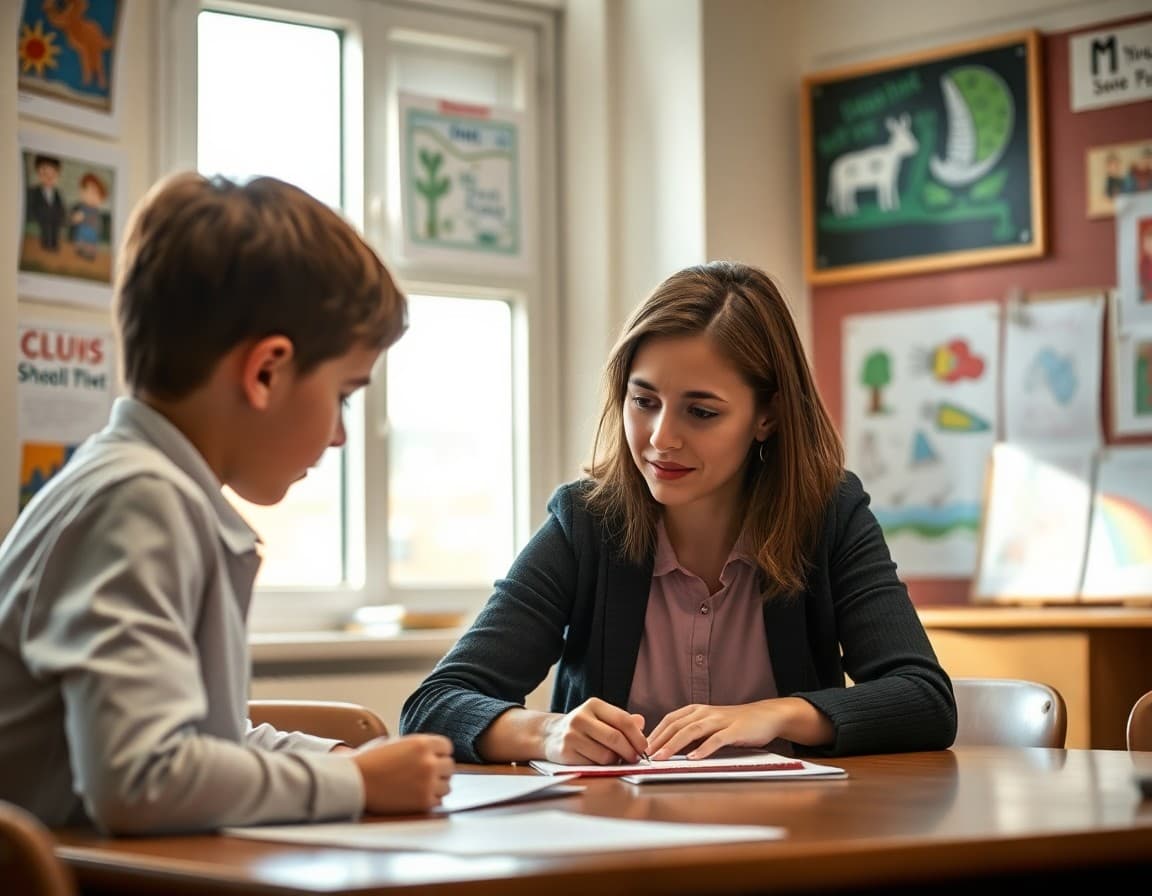
A farewell newsletter is one of the most personal communications a teacher will send. It marks the end of a relationship with students and families, and how it is written shapes how that ending is experienced. A farewell that is warm, specific, and honest while also forward-looking and reassuring serves students and families well. One that is melodramatic, vague, or so full of grief that it increases student anxiety does not. This newsletter covers how to write the former.
Be specific about what this class meant
Generic farewells sound like no farewell at all. "I will miss you all" is true and meaningless. A farewell that names specific things the class accomplished together, specific moments that stood out, specific qualities this group of students brought to the classroom, communicates that the teacher actually knew these students and that the relationship was real. Students and families feel the difference.
Communicate what happens next, clearly
The most important practical function of a teacher farewell newsletter is to reduce transition anxiety by providing clear information about what happens next. Who is taking over the class? When does the transition happen? What do students and families need to know or do? Answer these questions directly in the newsletter, before families start imagining the answers themselves. Uncertainty generates more anxiety than any actual information.
Be forward-looking, not just backward-looking
A farewell newsletter that dwells entirely on what is ending, however warmly, leaves families with a sense of loss. A farewell that also looks forward, expressing confidence in students' future growth, enthusiasm for what the next chapter holds for each of them, and warmth toward whoever is coming next, closes the chapter with energy rather than just sentiment.

For mid-year departures: address the elephant
Students and families will wonder why the teacher is leaving. If the reason is appropriate to share, sharing it briefly and directly is better than leaving families to speculate. If the reason is personal or inappropriate to share, a brief acknowledgment that this is an unexpected change, followed by confident reassurance about the transition plan, is more honest than a vague farewell that leaves families confused. Families trust teachers who communicate directly.
Express genuine gratitude
Teaching is a relationship, and families who have trusted a teacher with their child deserve to know that trust was meaningful. A farewell that expresses specific, genuine gratitude, not for the general honor of teaching but for the specific gift of knowing this class, lands differently than a formal sign-off. The more specific the gratitude, the more genuine it feels.
End with a clear, warm close
Close the newsletter with a sentence or two that communicates warmth and closure without melodrama. "It has been a genuine privilege to be your teacher this year. I will carry memories of this class for a long time" is enough. It does not need to be longer or more emotional than that. The specific content earlier in the letter carries the emotional weight. The close is just the close.
Get one newsletter idea every week.
Free. For teachers. No spam.
Frequently asked questions
When should a teacher send a farewell newsletter?
When leaving a school or a teaching position mid-year, or at the end of a school year when the teacher will not return to the same class. A mid-year departure deserves a farewell newsletter with enough lead time for families to prepare their children. An end-of-year farewell can be sent in the final week of school. In either case, the newsletter should be warm, specific, and forward-looking rather than sentimental in ways that increase student anxiety.
What should a teacher include in a farewell newsletter to families?
A genuine expression of what this class meant to them, specific memories or observations about what students accomplished together, information about what happens next (who is taking over the class, what transition plans are in place), reassurance for students and families about the transition, and warmth without dramatizing the departure in ways that make children more anxious than they need to be.
How should a teacher handle a farewell newsletter when leaving mid-year due to difficult circumstances?
With care for the students' emotional wellbeing first. Do not share personal reasons for leaving unless appropriate to share. Do not express regret in ways that communicate that students are losing something irreplaceable. Do provide clear information about transition plans, name the person who will take over, and communicate warmth and confidence that students will be in good hands.
What tone is appropriate for a teacher farewell newsletter?
Warm, specific, and forward-looking. Sentimental is acceptable in moderation; melodramatic is not. The goal is to honor the relationship with students and families while communicating confidence that everyone involved will be fine. A farewell that makes students and families more anxious about the transition than they were before reading it has not served its purpose.
How does Daystage help teachers send farewell newsletters professionally?
Daystage makes it easy to send a polished, professional farewell newsletter to the full class family list without needing to manage individual email addresses. A farewell newsletter sent through Daystage reaches every family simultaneously, which is important for ensuring consistent information during a potentially sensitive transition.

Adi Ackerman
Author
Adi Ackerman is a former classroom teacher and curriculum writer with 8 years in K-8 schools. She writes about school communication, parent engagement, and what actually works in real classrooms.
More for New Teacher
Ready to send your first newsletter?
3 newsletters free. No credit card. First one ready in under 5 minutes.
Get started free