

New Teacher's First Newsletter to Parents: A Complete Guide
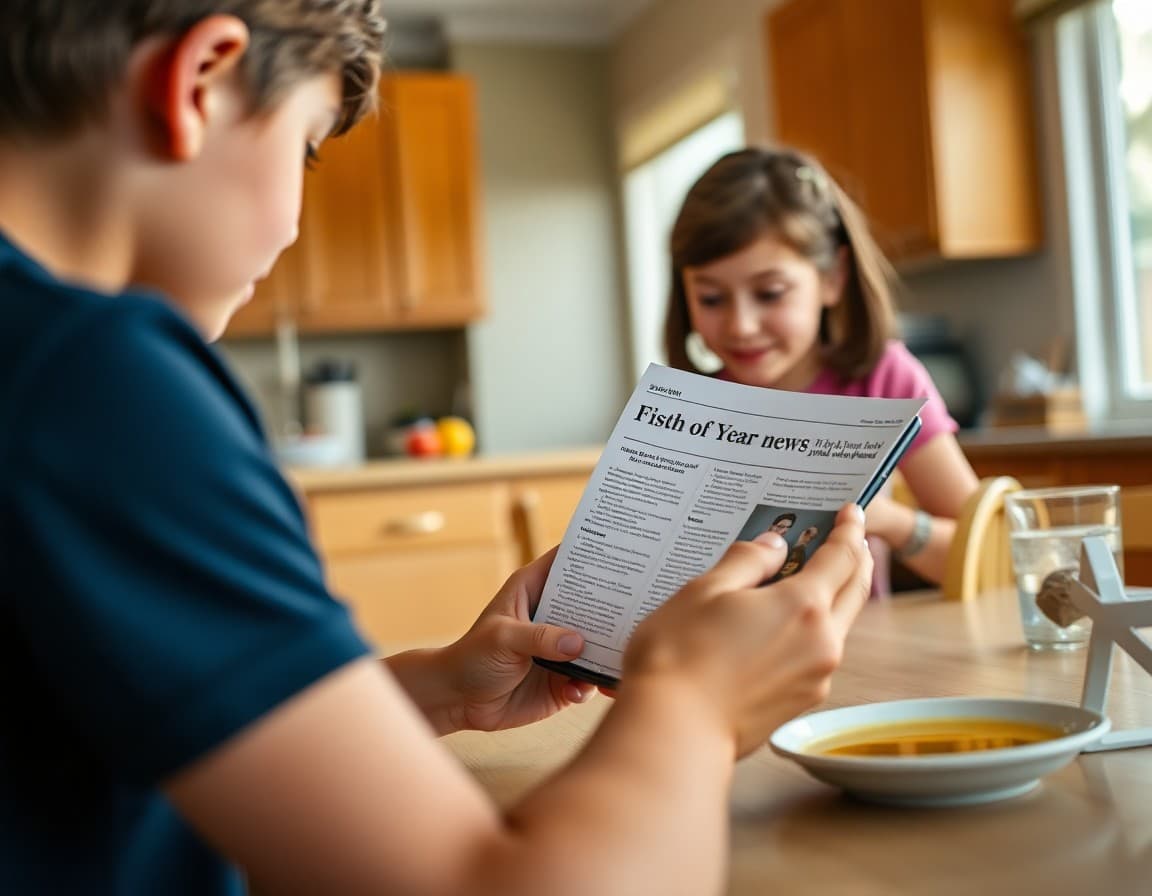
The first newsletter a new teacher sends to parents is one of the most consequential pieces of writing they will do all year. It is the first communication that many families will receive, it sets expectations for the entire year, and it establishes whether families will see the teacher as a partner in their child's education or as a largely unknown entity they deal with when problems arise. This guide covers how to get it right.
Send it before school starts, not after
A first newsletter sent one to two weeks before the school year begins arrives when families are thinking about the new year and have time to read it carefully. It also means that on the first day of school, families already know something about the teacher. The first day is much less anxious for everyone when families are walking in with context rather than starting from scratch.
Lead with relationship, not requirements
Many first newsletters begin with a list of supplies, rules, and procedures. These are important, but they are not how you start a relationship. Begin with who you are, what drew you to teaching, what you love about this age group or subject, and what you are looking forward to about this particular class. The supplies list can come after families know you are a real person who chose to be here.
Project confidence, not nervousness
New teachers sometimes write with visible anxiety: qualifying statements, apologies in advance, and hedge phrases that signal uncertainty. Parents read these signals and feel less confident about the teacher. Write from what you know and what you are prepared to do, not from what you are worried about getting wrong. The things you are genuinely confident about are the things that belong in the first newsletter.

Set communication expectations explicitly
Families who know what to expect from communication will not be disappointed when they do not receive a daily update. A brief section in the first newsletter that states your communication approach, weekly newsletter every Monday, email available and typically responded to within 24 hours, back-to-school night on September 10, sets expectations that prevent friction. The expectation conversation is much easier to have at the beginning than mid-year.
Give families a glimpse of the first few weeks
A brief overview of what students will be doing in the first few weeks of school, two to three sentences about the first unit or the community-building work at the start of the year, gives families a sense of what their child is about to experience and a basis for conversation with their child. "What did you do in school today" is a more productive conversation when a parent has some idea of what the day involved.
Include the logistics families actually need
The first newsletter is the right place for logistics: what supplies to bring, when back-to-school night is, how drop-off and pick-up work, any specific classroom procedures families should know about. Present these after the relationship-building content, not before. Families who have already connected to the teacher as a person are more receptive to the logistics than families who received the logistics before they got to know who they were dealing with.
Get one newsletter idea every week.
Free. For teachers. No spam.
Frequently asked questions
What should a new teacher include in their first newsletter to parents?
A warm self-introduction, what parents can expect in terms of communication throughout the year, a brief overview of the first few weeks and what students will be doing, key logistical information such as supplies needed and important early dates, and how to reach the teacher with questions. The first newsletter sets the tone for the entire year's communication.
How long should a new teacher's first newsletter be?
Longer than a typical weekly newsletter, but not a document. Three to four paragraphs or equivalent, covering introduction, communication expectations, early curriculum notes, and logistics. The first newsletter can include more context and relationship-building content than routine newsletters will. After the first edition, shorter is usually better.
What tone should a new teacher use in their first parent newsletter?
Confident and warm, not apologetic or nervous. New teachers sometimes write introductions that inadvertently signal anxiety: "I may not always have the right answer but..." or "I'm still learning but I promise to..." Parents want to feel confident about their child's teacher. A tone that communicates preparedness and genuine enthusiasm, without overconfidence, is the right balance.
Should a new teacher mention in their newsletter that they are new to teaching?
Not necessarily, and not by leading with it. If asked directly, be honest. But a newsletter that opens with "I am a first-year teacher" invites comparison with more experienced teachers and introduces uncertainty before a relationship is established. Lead with your enthusiasm for the subject and your students, your preparation, and what you are looking forward to. Experience is one qualification among many.
How does Daystage help new teachers start strong with parent communication?
Daystage gives new teachers a professional newsletter platform from the first week, so their parent communications look polished and consistent even before they have fully figured out their teaching rhythm. A new teacher who sends their first newsletter through Daystage before school starts establishes a communication channel and a standard that carries through the rest of the year.

Adi Ackerman
Author
Adi Ackerman is a former classroom teacher and curriculum writer with 8 years in K-8 schools. She writes about school communication, parent engagement, and what actually works in real classrooms.
More for New Teacher
Ready to send your first newsletter?
3 newsletters free. No credit card. First one ready in under 5 minutes.
Get started free