
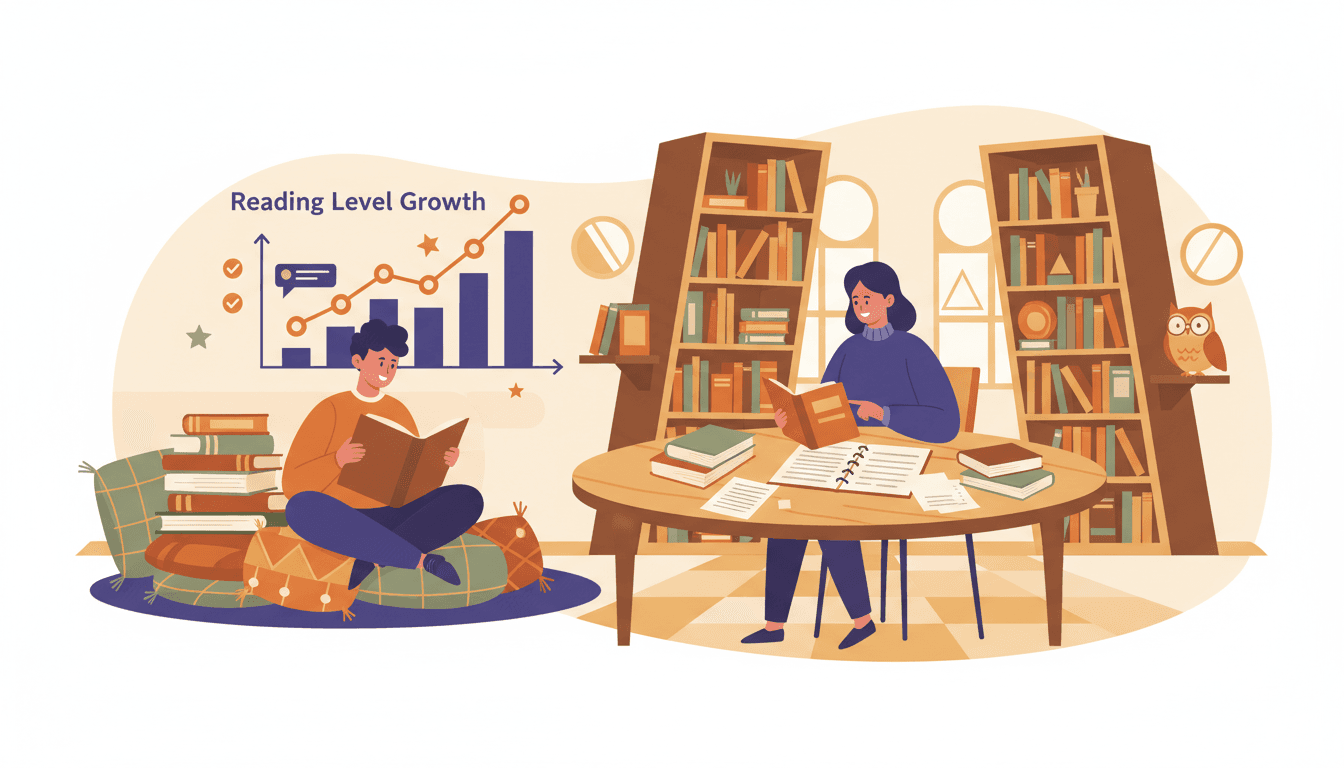
How New Teachers Can Communicate Reading Progress to Families

Reading is the subject that parents worry about most, especially in the early grades. They want to know: is my child on track? What level are they reading at? What should we be doing at home? Is the gap getting bigger or smaller?
New teachers who communicate proactively about reading progress prevent a significant volume of worried parent emails and set up their parent relationships for a more collaborative year. Here is how to do it well.
What Parents Actually Want to Know About Reading
Parents ask about reading in general terms, but what they actually want is specific information about their child. Not "we are working on phonics." Their child specifically. Is my child reading at grade level? What does that mean? What do I need to worry about or celebrate?
The challenge is that reading data (leveled reading, assessment scores, fluency benchmarks) is not always easy for parents to interpret. Your job is to translate.
Using Your Newsletter to Communicate Literacy Progress
Start of Year: Explain Your Reading Program
In your first two or three newsletters, describe your reading program clearly. What reading curriculum are you using? How is reading instruction structured in your classroom? What does a typical reading block look like? Do you use leveled readers, whole-class texts, or both?
Parents who understand how reading instruction works in your classroom are better positioned to support it at home. They are also less likely to misinterpret a child's assessment results when they arrive.
September: The Reading Baseline Letter
After your initial reading assessments, send a class-wide newsletter explaining what you assessed and what the results mean. Do not share individual results in a group newsletter, but do explain the framework so parents understand how to read their child's individual report when it comes.
"We have completed our beginning-of-year reading assessments. These assessments measure fluency, comprehension, and phonics skills. Over the next week I will be sending home each student's individual results with a note explaining what the scores mean and what goals we are working toward."
Ongoing: Monthly Reading Spotlights
Once a month, include a reading spotlight in your newsletter. This is not an individual student report. It is a glimpse of what the class is doing with reading right now.
Examples:
- "This month we started partner reading. Students choose a book at their level and practice reading aloud to each other. The conversations they are having about what they read are genuinely impressive."
- "We are working on identifying the main idea in nonfiction texts. This is harder than it sounds at this grade level and students are making real progress."
- "Our class read-aloud this month is [title]. Students have been asking about it during other parts of the day, which is a sign something is landing."
Home Reading: What to Tell Parents and How
Most teachers recommend nightly home reading. Whether parents follow through depends largely on how clearly you communicate what to do and why. Vague guidance ("read with your child every night") produces vague results.
A more useful communication about home reading:
- How many minutes per night you recommend and for what grade
- Whether the child should read aloud or silently
- How to choose appropriate books (too easy, too hard, just right)
- What to do when a child gets stuck on a word (tell them? sound it out? skip it?)
- Whether you want parents to sign a reading log or just track loosely
Send this guidance in a dedicated newsletter at the start of the year and reference it again after winter break when home reading routines have slipped.
Communicating About Individual Reading Concerns
When a student is significantly behind grade-level expectations, you need to communicate individually, not through a class newsletter. This conversation is one of the harder ones for new teachers because it involves delivering news parents may not want to hear.
A few principles that help:
- Be honest but not alarming. "Based on our assessments, Mia is reading below grade-level expectations. I want to share this with you now so we can work together on a plan" is honest and collaborative. "Mia is really struggling and I am worried" is alarming without being more useful.
- Come with a plan. Before you contact the parent, know what interventions or supports you are already putting in place. Parents respond better to "here is what we are doing" than "here is the problem."
- Invite the family as partners. Ask what they notice at home. Ask if the child mentions reading. Ask if they have time to read together at night. Families who feel like partners in supporting literacy usually do more of it.
What to Send at Assessment Periods
Most schools assess reading at the beginning, middle, and end of the year. At each assessment period, do two things:
- Send a class-wide newsletter explaining that assessments are happening and what they measure. This prevents parent anxiety about "the test" and helps them help their child prepare sensibly (not through intensive cramming, but through consistent home reading).
- Send individual results home with a brief written explanation of what the numbers mean and what the next goals are. A number without context is just a number. "Your child scored at Level J, which is [on/slightly below/above] grade-level expectations for this point in the year. Our goal for mid-year is Level L. Here is what we are working on in class to get there." This is the communication parents actually remember.
Building a Reading Newsletter Habit With the Right Tools
Teachers who communicate consistently about reading use newsletter tools that make the habit easy to maintain. Daystage lets you send formatted newsletters with sections for reading updates, home reading guidance, and class spotlights without starting from scratch each week. When the format is already built, the work is just the writing.
Parents who receive regular, clear reading communication become your strongest allies. They read with their children at home. They alert you when something changes. They show up to conferences asking good questions instead of general worried ones. That partnership starts with what you put in your newsletter.
Get one newsletter idea every week.
Free. For teachers. No spam.
Frequently asked questions
When should new teachers start communicating reading progress to families?
Mention your reading program in the first week newsletter, then give specific reading progress updates every three to four weeks. Do not wait for the report card to be the first reading communication families receive. Parents who are surprised by a low reading grade are significantly harder to work with than parents who saw it coming.
What should a new teacher include when communicating reading progress to families?
Tell families what reading skills the class is working on, what independent reading at home should look like this month, and one general observation about how the class is progressing. For individual concerns, a direct call beats a newsletter update. Keep newsletter reading content positive and universal.
How should new teachers communicate about home reading expectations to parents?
Be specific about time, not level. 'Read for 20 minutes each night' is easier for a parent to execute than 'read at grade level.' Include one tip per newsletter about how to talk to their child about what they are reading, which builds comprehension skills at home without requiring parents to be reading specialists.
What do new teachers get wrong when communicating about reading to families?
The most common mistake is using reading level terminology families do not understand, like Lexile scores or guided reading levels, without explaining what they mean. A second mistake is mentioning reading struggles in a newsletter instead of a phone call. Public-facing communication should be encouraging and universal.
How does Daystage help new teachers communicate reading progress each week?
Daystage's newsletter format makes it easy to include a short reading update section each week, keeping families consistently informed about what the class is reading without requiring a separate email or report for each unit.

Adi Ackerman
Author
Adi Ackerman is a former classroom teacher and curriculum writer with 8 years in K-8 schools. She writes about school communication, parent engagement, and what actually works in real classrooms.
More for New Teacher
New Teacher Spring Semester Newsletter: How to Keep Communication Strong Through the Finish
New Teacher · 5 min read
How to Introduce Yourself to Parents Before School Starts (With Examples)
New Teacher · 6 min read
New Teacher Emergency Procedure Newsletter: What Parents Need to Know
New Teacher · 5 min read
Ready to send your first newsletter?
3 newsletters free. No credit card. First one ready in under 5 minutes.
Get started free