

Vocabulary Middle School Newsletter: Learning Updates for Parents
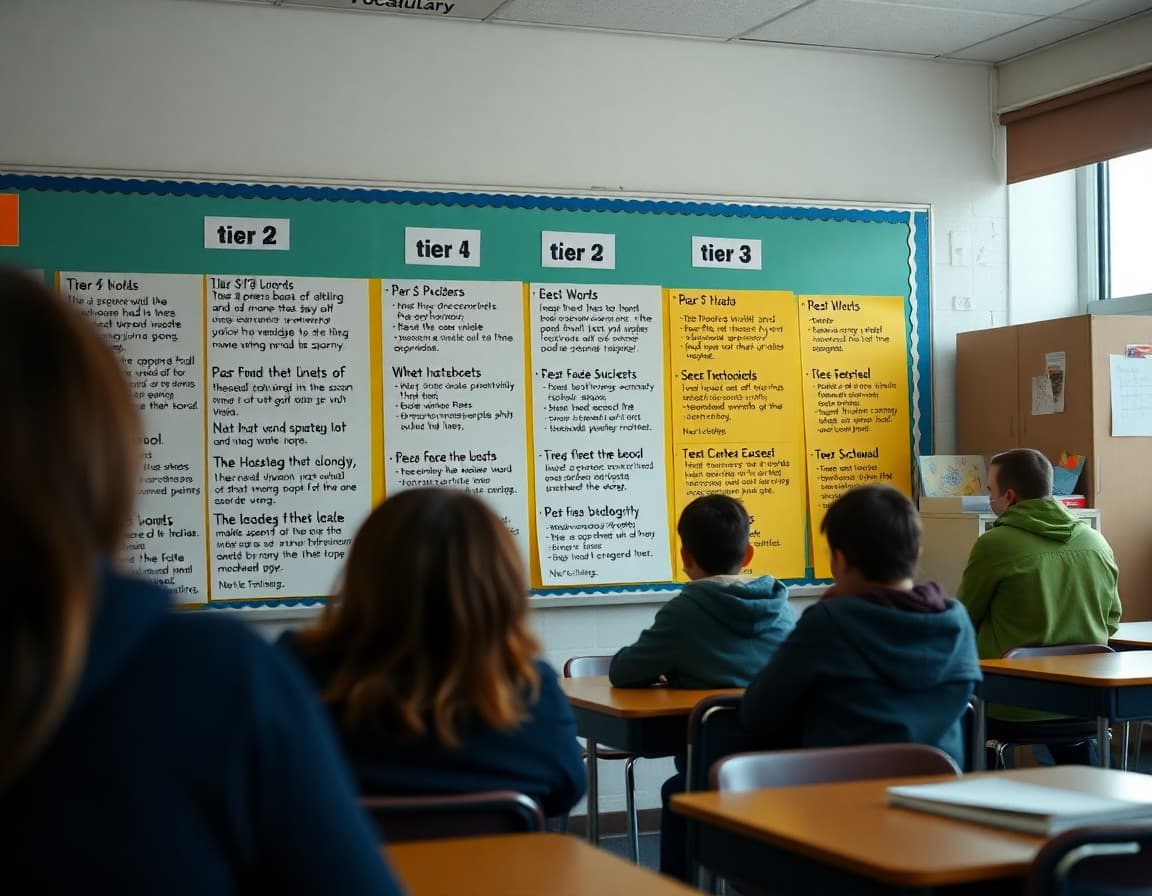
Vocabulary is the difference between a student who reads a paragraph and understands it and one who reads the same paragraph and extracts only the general idea. In middle school, the gap between students with strong vocabulary and those without grows quickly, because the texts get harder and the academic language multiplies. A vocabulary newsletter that keeps families informed and engaged gives students a second exposure to words outside of class, which is one of the most reliable ways to build retention.
Explain the Vocabulary Program
Open your newsletter by describing how vocabulary is taught in your class. Is it through a dedicated word study program, integrated into reading units, or taught through content-area themes? Is it based on word roots, academic word lists, or text-based context? Families who understand the program's structure can support it more effectively than families who see vocabulary homework as an isolated exercise.
Name the Current Word List and Its Theme
Every vocabulary newsletter should include the current list alongside the organizing concept. If this week's words share a common root, name it. If they are drawn from a reading unit, connect them to the text. If they are Tier 2 academic terms used across subjects, point that out: these words will appear in science, social studies, and math, not just ELA. That connection makes the list feel worth learning.
Offer Two or Three Specific Study Methods
Here is a format that works for vocabulary newsletters:
"Method 1: Word map. Write the word in the center. Write the definition in your own words. Write what it is NOT (a word that seems similar but has a different meaning). Write an original sentence. Method 2: Draw a visual that represents the word alongside the definition. Method 3: Use the word in a real conversation with a family member today. Real-use practice produces the fastest retention."
Share Words Across Content Areas
When your vocabulary list includes Tier 2 academic words, tell families which other content areas those words appear in. "Analyze" comes up in science lab reports, social studies essays, and math problem-solving explanations. "Evidence" is used in every content area your student is studying this year. Those cross-subject connections help students see vocabulary as a generalized academic skill, not an ELA-only assignment.
Incorporate a Challenge Tier
Students who master the standard list quickly can work with extension words. Your newsletter can include two or three bonus words each week for students who want an additional challenge. These might be more nuanced synonyms, related words with subtle meaning differences, or domain-specific terms that extend into the subject area the class is reading. Extension options keep strong students engaged rather than waiting.
Make Context Reading the Priority
The most powerful vocabulary instruction happens in reading, not in drill. Students who encounter this week's words in a novel, a news article, or a textbook chapter are building the contextual understanding that isolated study cannot replicate. Your newsletter can suggest that families point out vocabulary words when they appear naturally in real reading. That kind of in-the-wild encounter is worth more than three repetitions of a flashcard.
Address the Assessment Format
Tell families how vocabulary is assessed. Is it a weekly quiz, an embedded writing assignment, or an end-of-unit test? Is it word-to-definition matching, fill-in-the-blank, or original use in sentences? Knowing the format helps students study in the right direction. A student who studies for multiple choice but gets a fill-in-the-blank test has prepared for the wrong assessment.
End With a Real-World Word Challenge
Close each vocabulary newsletter with a simple challenge: spot at least one word from this week's list in something you read or watch before the next newsletter. That challenge keeps vocabulary learning alive outside of school without requiring additional formal study time. Daystage makes it easy to include a recurring challenge section like this at the bottom of each weekly update.
Get one newsletter idea every week.
Free. For teachers. No spam.
Frequently asked questions
Why is vocabulary instruction important in middle school?
Vocabulary knowledge is one of the strongest predictors of reading comprehension and academic achievement. Middle school is when students encounter high volumes of Tier 2 academic vocabulary (words like 'analyze,' 'evidence,' 'infer') and Tier 3 domain-specific terms across content areas. Students with strong vocabulary move through text faster and understand more of what they read.
What is the difference between Tier 1, Tier 2, and Tier 3 vocabulary?
Tier 1 words are everyday conversational words students already know. Tier 2 words are high-frequency academic terms that appear across content areas and rarely in casual conversation. Tier 3 words are domain-specific technical terms. Middle school vocabulary programs focus primarily on Tier 2 words because they transfer across subjects and appear frequently on standardized assessments.
How should middle school students study vocabulary at home?
The most effective methods are using words in original sentences, creating visual connections between words and their meanings, and noticing the words in real reading rather than only in isolation. Flashcard drills for definition memorization are less effective than these contextual methods, though they can work for initial exposure to a new word.
How often should a middle school vocabulary newsletter go home?
Weekly updates work well if they are brief: the current word list, the organizing pattern or theme, and one study tip. Monthly program overviews give families the bigger picture of how vocabulary connects to the full ELA curriculum and what progress looks like. Daystage makes it easy to manage both cadences.
What tool makes vocabulary newsletters easier to send consistently?
Daystage works well for weekly vocabulary updates because you can include the word list, root or theme explanation, and a study strategy in a short format that families can read in two minutes. The consistent format helps families build a routine around reviewing it each week.

Adi Ackerman
Author
Adi Ackerman is a former classroom teacher and curriculum writer with 8 years in K-8 schools. She writes about school communication, parent engagement, and what actually works in real classrooms.
More for Middle School
Ready to send your first newsletter?
3 newsletters free. No credit card. First one ready in under 5 minutes.
Get started free