

Phonics Middle School Newsletter: Learning Updates for Parents
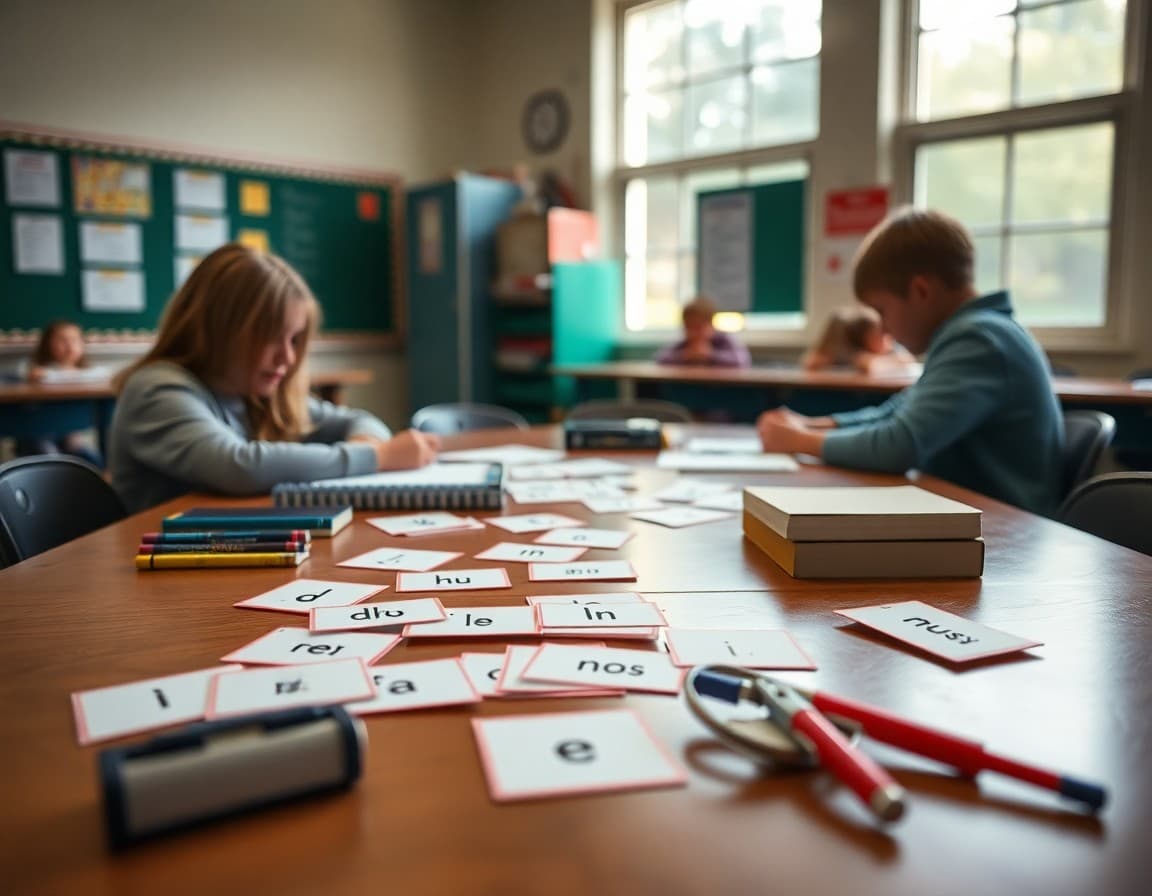
Phonics instruction in middle school is not remedial in the way families sometimes assume. It is targeted skill development for students whose decoding automaticity did not fully develop in earlier grades. The students receiving this support are not struggling with comprehension or intelligence. They are working on a specific technical skill that makes the act of reading faster and less effortful. A newsletter that explains this clearly changes how families talk about the program with their child.
Explain What Phonics Is and Why It Matters at This Level
Many middle school families associate phonics with first and second grade. Your newsletter should correct that assumption directly. Advanced phonics instruction at the middle school level covers multi-syllable decoding, complex vowel patterns, morphological awareness, and automatic application of decoding rules to unfamiliar words. Students who master these patterns become faster, more fluent readers. That fluency frees up cognitive capacity for comprehension, which is what makes reading rewarding.
Name What Patterns Are Being Taught
Be specific about the current instructional focus. Are students working on vowel teams, syllable types, or inflectional endings? Are they learning to decode words with Latin and Greek morphemes? Naming the pattern gives families a concrete hook for home practice and prevents the program from feeling vague.
A Sample Practice Routine
Here is a format that works for home phonics support:
"Five to ten minutes per evening: pick three to five words from this week's decoding list. Say the word, break it into syllables by clapping or tapping, say each syllable slowly, then blend back together. Write the word once. Use it in a sentence out loud. Repeat with the next word. The goal is automatic recognition, not slow sounding-out. If your child is slow on any word three days in a row, that is the word to focus on."
Address the Stigma Directly
Some students receiving phonics support feel embarrassed, particularly in middle school where peer perception is high stakes. Your newsletter can address this with a direct paragraph for families: please do not refer to this support as "reading help" or "special reading" in front of your child's friends or siblings. Frame it at home as building reading speed and skill, which is exactly what it is. Students who feel supported rather than stigmatized make faster progress.
Connect to Reading Volume
The fastest path to phonics automaticity is reading volume. Students who read 20 minutes per night encounter words repeatedly in natural contexts, which reinforces decoding patterns far better than drill alone. Your newsletter can give families a recommended reading level that matches the student's current decoding ability and suggest that independent reading at that level is as valuable as formal practice.
Share Progress Honestly
Families want to know whether the program is working. Your newsletter should include a brief progress note each quarter: what patterns have been mastered, what is still being developed, and what the expected trajectory looks like. Honest progress communication builds trust and helps families maintain appropriate expectations.
Explain the Program Structure
Tell families what the delivery looks like: small group pull-out, integrated instruction in ELA class, or individual sessions with a specialist. How often it happens per week and for how long. Whether it replaces any regular class time and how that content is covered. Families who understand the logistics are more likely to support attendance and engagement.
Invite Ongoing Communication
Phonics support programs work best when families and teachers communicate regularly. Your newsletter should name the best way to reach you with questions or to share observations from home. Daystage makes it easy to include a contact section so families know exactly how to follow up without a separate email chain.
Get one newsletter idea every week.
Free. For teachers. No spam.
Frequently asked questions
Why do some middle school students still need phonics instruction?
Phonics instruction in middle school addresses students who did not fully develop automatic decoding skills in elementary school. These students can often read slowly or by memorizing whole words rather than applying reliable decoding strategies. Middle school phonics programs target the specific patterns and rules students missed, building the automaticity that makes reading faster and less effortful.
What should a phonics newsletter communicate to middle school families?
Cover what specific phonics patterns students are currently working on, how much progress is being made, how the program is structured (small group, individual, integrated into ELA), and what families can do at home. Explain that phonics instruction at this level is targeted and research-based, not a return to early childhood reading.
How can families support phonics learning at home with a middle schooler?
Read aloud together for 10 minutes a night where the adult reads one paragraph and the student reads one. For specific decoding practice, focus on the patterns named in the newsletter. Apps like Lexia or Reading A-Z can supplement classroom instruction without feeling like remedial work. Framing practice as reading skill-building rather than catching up is important for maintaining student motivation.
How do I communicate about phonics support without stigmatizing students?
Frame all communication around skill development rather than deficit. Every student has a learning profile with areas of strength and areas for growth. Phonics is a specific, teachable skill, not an indicator of intelligence. Your newsletter can name this directly so families do not inadvertently transmit shame to their child.
What tool makes it easy to send phonics program updates to middle school families?
Daystage lets you send a targeted program newsletter with skill updates, practice suggestions, and progress notes in a clear, supportive format. You can keep the language encouraging and specific rather than clinical.

Adi Ackerman
Author
Adi Ackerman is a former classroom teacher and curriculum writer with 8 years in K-8 schools. She writes about school communication, parent engagement, and what actually works in real classrooms.
More for Middle School
Ready to send your first newsletter?
3 newsletters free. No credit card. First one ready in under 5 minutes.
Get started free