
Reading Contest Newsletter: Getting Middle School Families Involved
Reading contests work when students feel motivated by the goal and supported at home in pursuing it. They do not work when families forget about it after the first newsletter, when students choose books too hard or too easy just to complete the log, or when the contest feels like a homework obligation rather than a genuine reading opportunity. A newsletter that explains the contest purpose clearly, gives families specific ways to support it, and makes the reading feel valuable rather than compulsory sets up the conditions for a contest that actually changes reading habits.
Why Middle Schoolers Often Read Less
Reading volume typically declines in middle school compared to elementary school for reasons that have more to do with life structure than reading ability or interest. Middle schoolers have more homework, more extracurricular activities, more screen-based social connection, and more sleep deprivation than elementary students. Reading for pleasure gets squeezed out of a schedule that feels genuinely full. A reading contest that takes this reality seriously, offering short daily reading goals rather than ambitious book-per-week targets, is more likely to create actual habit change than one that demands volume few middle schoolers can sustain without sacrificing sleep or homework.
What the Contest Involves
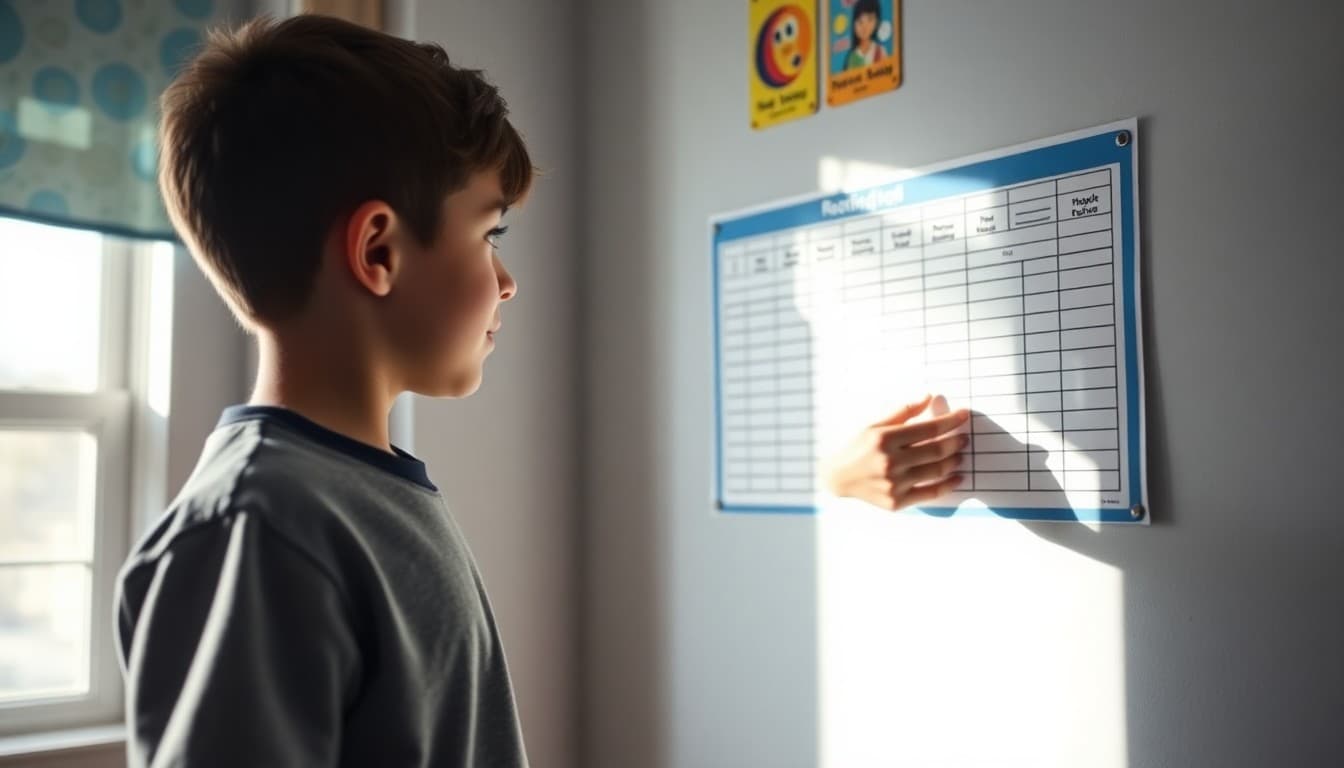
Describe the specific contest mechanics in plain language: the duration, the goal in minutes or pages or books, how students log their reading, what incentives or milestones exist, and whether there is a class or school-level component alongside the individual one. If the contest involves any kind of competition or ranking, be transparent about that. Some students are motivated by competition. Others are demotivated by it. Knowing the mechanics in advance lets families frame the contest in the way most likely to motivate their specific student. A student who finds ranking anxiety-inducing can focus on their personal goal rather than their relative standing.
Book Selection Guidance for Families
Middle schoolers benefit from reading books in their zone of proximal development: slightly challenging but not frustrating. The five-finger test is a simple self-check: open to a random page and hold up one finger for every word you do not know. Zero to one fingers means the book may be too easy. Two to three means a good fit. Four or five means it may be too challenging to read independently with full comprehension. For a reading contest, books in the good fit range produce better reading growth than books that are too hard and build frustration. Graphic novels, nonfiction, audiobooks, and rereads all have value and should count toward the goal rather than being dismissed as less legitimate than traditional prose fiction.
Reading Aloud as a Family
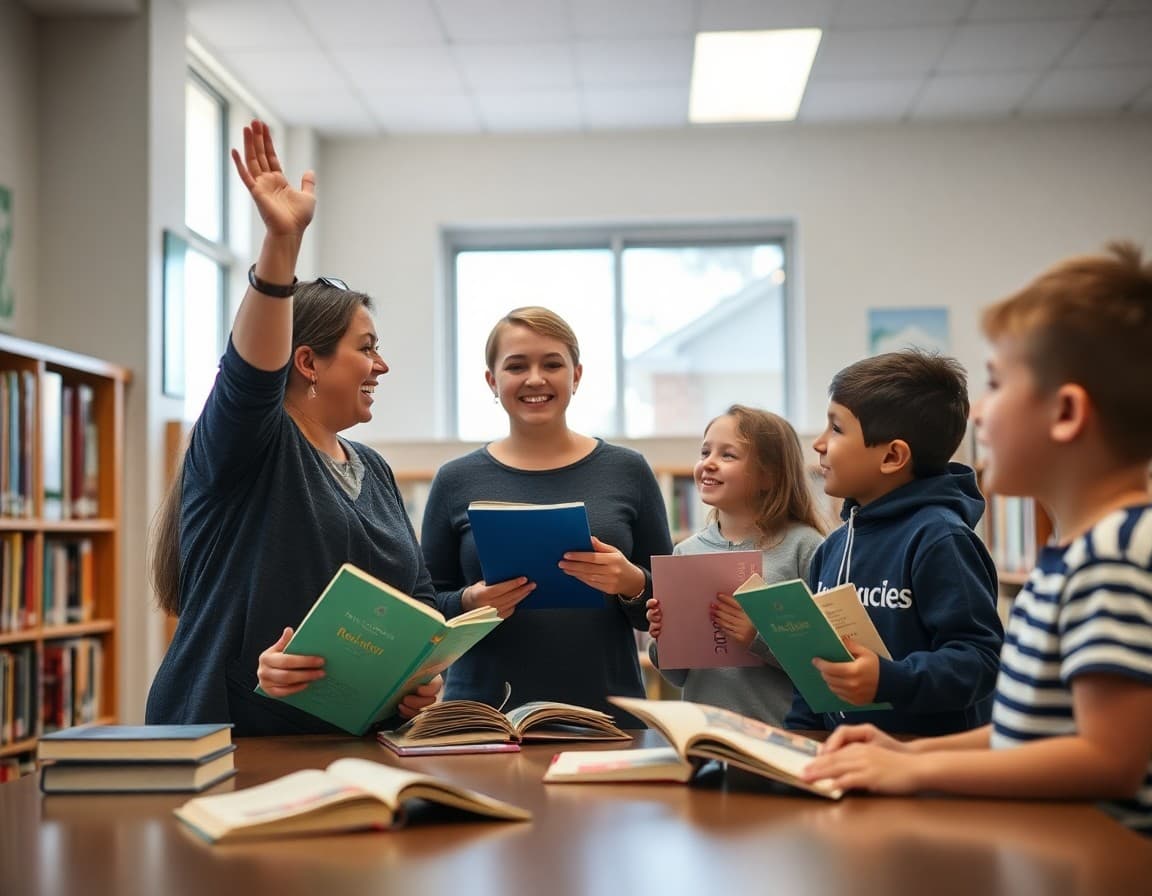
One of the most effective ways families can support a reading contest and build lasting reading culture is reading aloud together, even with middle schoolers. This is not a practice families need to abandon when children reach 7th grade. Reading a book aloud at bedtime, or listening to an audiobook together on a car trip, normalizes books as entertainment and conversation starters. It also gives families an opportunity to discuss what they are reading together in ways that build the analytical skills students need for school-based reading tasks. If your family has not read aloud together since elementary school, a reading contest is a reasonable occasion to revive the habit.
Get one newsletter idea every week.
Free. For teachers. No spam.
Frequently asked questions
What are the goals of a school reading contest?
Reading contests aim to build reading stamina and habits by making regular reading feel purposeful. The best contests focus on time or pages read rather than number of books to avoid rewarding students who choose only short books. Secondary goals include exposure to varied genres, community around shared reading, and the habit of talking about books with peers and family.
How do families support middle school reading at home?
Create a dedicated reading time in the daily routine, even fifteen minutes before bed. Make reading materials available including library books, physical copies, and audio versions for students who prefer listening. Ask open-ended questions about what they are reading: what is happening, what do they think about a character's choices, are they enjoying it and why. Avoid quizzing or testing, which makes reading feel like work.
What counts in a school reading contest?
This varies by teacher and school. Most reading contests for middle school count any book the student chooses: fiction, nonfiction, graphic novels, poetry collections, and often audiobooks. Some limit audiobooks or graphic novels. The newsletter should be explicit about what counts and what does not so families can support students in making valid choices.
How do students log their reading?
Most schools use a paper reading log, a digital form, a platform like Reading Counts or Goodreads, or a combination. Students typically log the title, author, pages or minutes read, and a brief response. The newsletter should include the specific logging method and where to find or submit the log.
How can Daystage help teachers run a more engaging reading contest?
Daystage lets teachers send regular reading contest updates, milestones celebrations, and genre spotlights throughout the contest period. Regular communication keeps the contest top of mind for families and students who might otherwise forget about it after the first week.

Adi Ackerman
Author
Adi Ackerman is a former classroom teacher and curriculum writer with 8 years in K-8 schools. She writes about school communication, parent engagement, and what actually works in real classrooms.
More for Middle School
Ready to send your first newsletter?
3 newsletters free. No credit card. First one ready in under 5 minutes.
Get started free