

Cyberbullying Unit Newsletter: Supporting Families Through Difficult Conversations
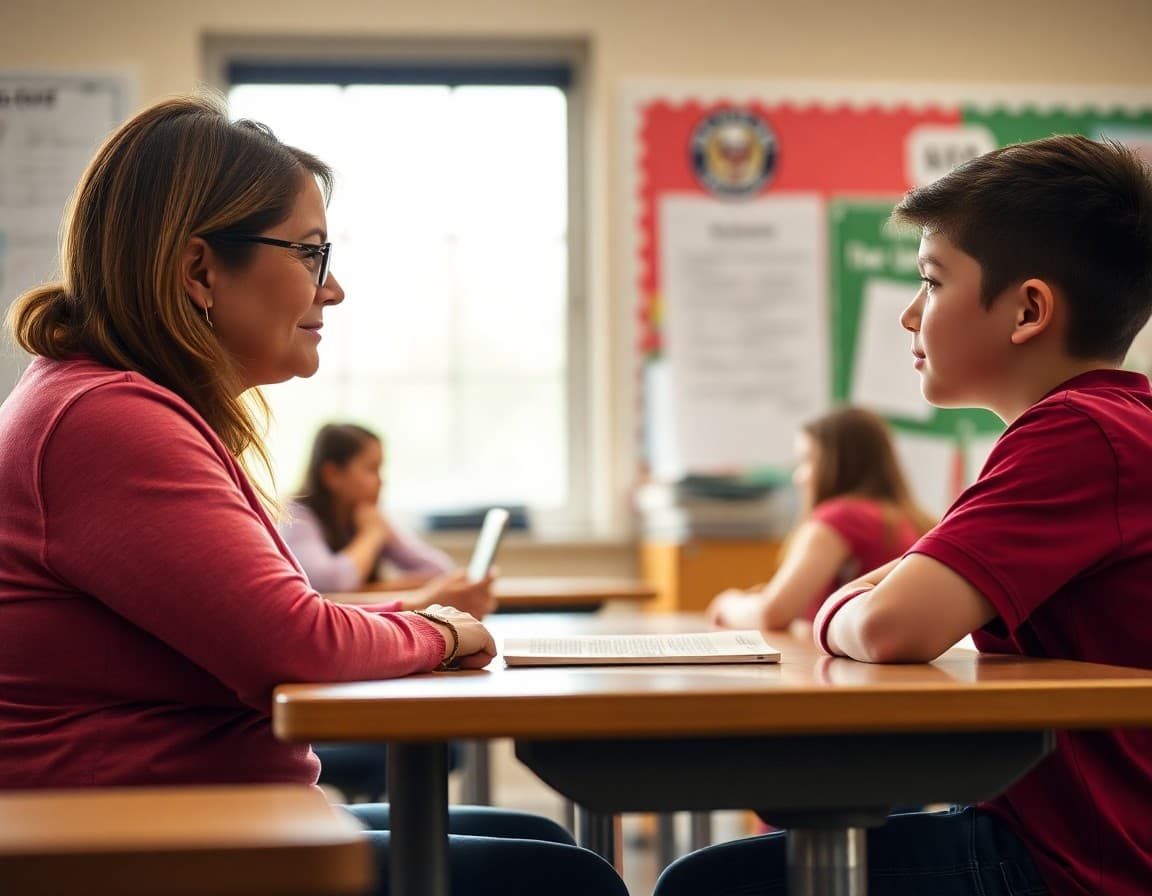
Teaching middle schoolers about cyberbullying is not optional anymore. The social dynamics that used to be contained to school hallways and lunch tables now extend into every waking hour through the phones in students' pockets. Students need concrete skills for what to do when it happens to them or when they witness it happening to someone else. Families need to understand what it looks like, why students often do not report it, and what to do when they find out their child is involved. A newsletter that addresses all of this directly before something happens in your class is more valuable than one that goes out reactively after an incident.
What the Unit Covers
This unit goes beyond defining cyberbullying. Students will examine the specific dynamics that make online harassment different from in-person conflict: the audience size, the permanence of screenshots, the difficulty of disengaging from platforms where normal social life also happens, and the emotional effects of 24-hour exposure. They will learn a clear response sequence: document the incident with screenshots before blocking, report to the platform, tell a trusted adult, and do not retaliate. They will also examine their own roles when they witness online cruelty toward peers, including the difference between bystander behavior and active ally behavior. Role-playing scenarios and case studies make these abstract distinctions concrete.
Why Students Do Not Report Cyberbullying
Research on cyberbullying consistently shows that most students who experience it do not tell an adult. The most common reasons are fear of losing device access as a consequence, concern that adults will make the situation worse, embarrassment or shame about the content being shared, uncertainty about whether what happened is serious enough to report, and doubt that adults can effectively intervene in online spaces. Understanding these barriers helps families respond when they do find out. A family that leads with "why didn't you tell me sooner" misses the student who was afraid of exactly that response. A family that leads with "thank you for telling me, let's figure this out together" keeps the communication channel open.
What to Do When Your Child Tells You
If a student discloses cyberbullying at home, the most important first step is to listen without immediately reaching for the phone to call the school or the other family. Let them tell you what happened fully before you respond. Ask if they want help deciding what to do next or if they want to handle it themselves and would appreciate your support in the background. If the content involves threats, sexual content, or other serious issues, involve the school and if warranted law enforcement, regardless of the student's preference. For lower-level conflict, follow the student's lead on how involved to be while making clear you are available. Documenting the incident with screenshots before blocking the aggressor preserves evidence that may be needed later.
The Bystander Role
Students who witness cyberbullying without participating or intervening are bystanders, and research shows that bystander behavior strongly influences how incidents escalate or resolve. Students who silently watch, who react with emoji, or who share the content are functionally amplifying the harm even without intending to. Students who intervene, by sending a private message of support to the target, by declining to engage with harmful content, or by reporting to an adult, can significantly affect the trajectory of an incident. The unit teaches students to recognize the bystander role and to have a plan for how they want to respond before they find themselves in that situation. Sharing this with families normalizes the conversation at home.
The School's Reporting Process
When a family becomes aware of cyberbullying involving their child as a target, they should contact the school counselor or a trusted teacher by name. The school will document the report, contact the families of involved students, and apply consequences according to policy. Even when incidents happen off school hours, the effects are felt at school and schools have both the standing and the responsibility to address them. Include specific contact information in your newsletter so families do not have to search for who to call. A parent who knows exactly who to contact and what to expect from the process is more likely to report than one who is unsure whether the school can do anything at all.
Get one newsletter idea every week.
Free. For teachers. No spam.
Frequently asked questions
What should a cyberbullying unit newsletter tell families?
Cover what cyberbullying is and how it differs from in-person bullying, what signs to watch for that a student may be experiencing it, what steps students are encouraged to take when it happens, how the school handles reports, and what families can do at home including how to open the conversation and when to involve the school. Keep the tone direct and practical rather than alarmist.
How is cyberbullying different from in-person bullying?
Cyberbullying follows students home in ways that in-person bullying typically cannot. It can happen at any hour, reach wider audiences through sharing, and be difficult to escape because it exists on platforms students use for legitimate social connection. It is also often harder to see for parents and teachers because it happens on devices privately. These differences make the recovery strategies different from in-person bullying and the early detection more dependent on students self-reporting.
What signs might indicate a student is experiencing cyberbullying?
Watch for sudden reluctance to use devices or go online, emotional distress during or after using devices, being secretive about online activity after previously being more open, withdrawal from friends or activities they previously enjoyed, and changes in mood specifically connected to checking a phone or computer. These signs are not definitive proof but they are worth a direct, non-accusatory conversation.
How should schools handle cyberbullying reports?
Schools should take reports seriously, investigate promptly, document the incident, contact the families of all involved students, and apply consequences consistent with the school's policy. Even when incidents occur off school hours, if the impact is felt at school, schools have both the authority and responsibility to address it. Your newsletter should describe this process so families know what to expect when they report.
How can Daystage help communicate about sensitive topics like cyberbullying?
Daystage lets you send a private, organized newsletter directly to families that addresses sensitive topics clearly and includes links to resources like school counselor contact information, reporting procedures, and outside resources. A well-formatted Daystage newsletter on a topic like cyberbullying lands with more weight than a text notification.

Adi Ackerman
Author
Adi Ackerman is a former classroom teacher and curriculum writer with 8 years in K-8 schools. She writes about school communication, parent engagement, and what actually works in real classrooms.
More for Middle School
Ready to send your first newsletter?
3 newsletters free. No credit card. First one ready in under 5 minutes.
Get started free