
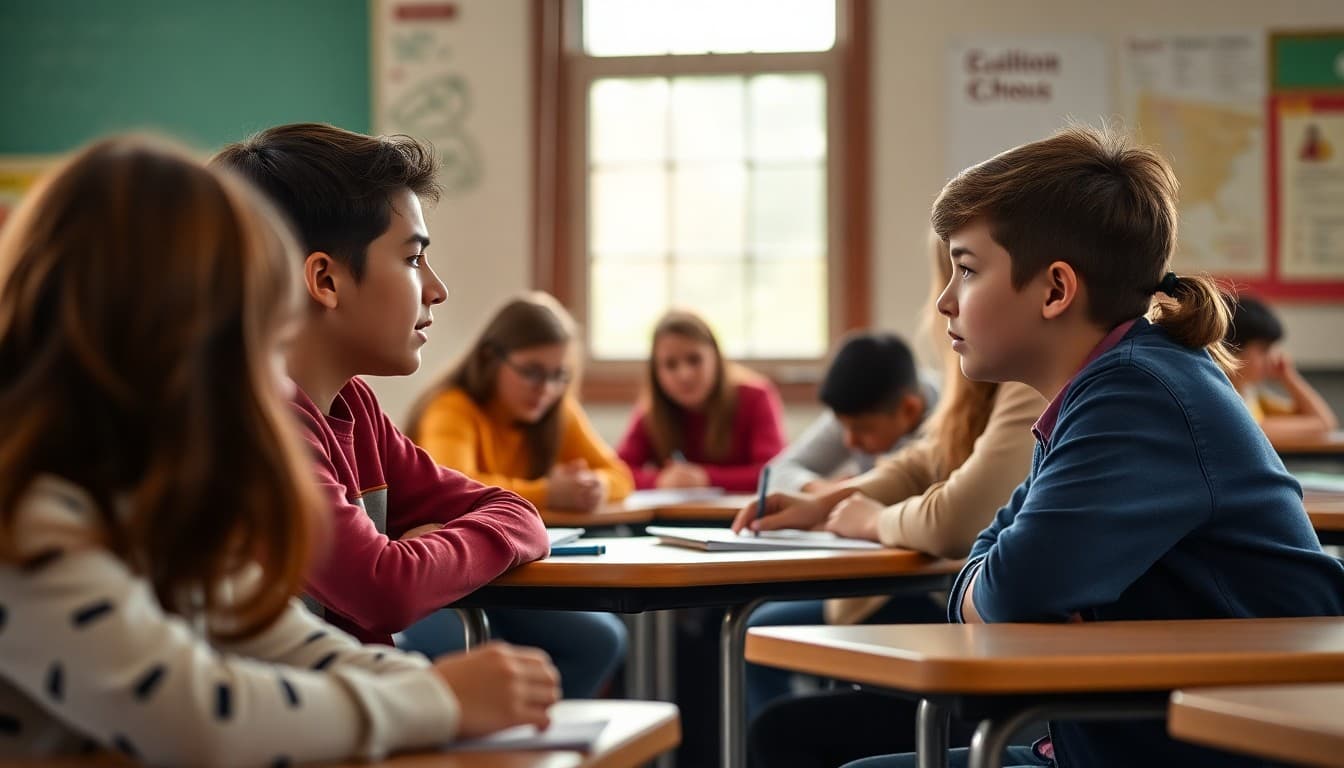
Spanish Middle School Newsletter: Learning Updates for Parents
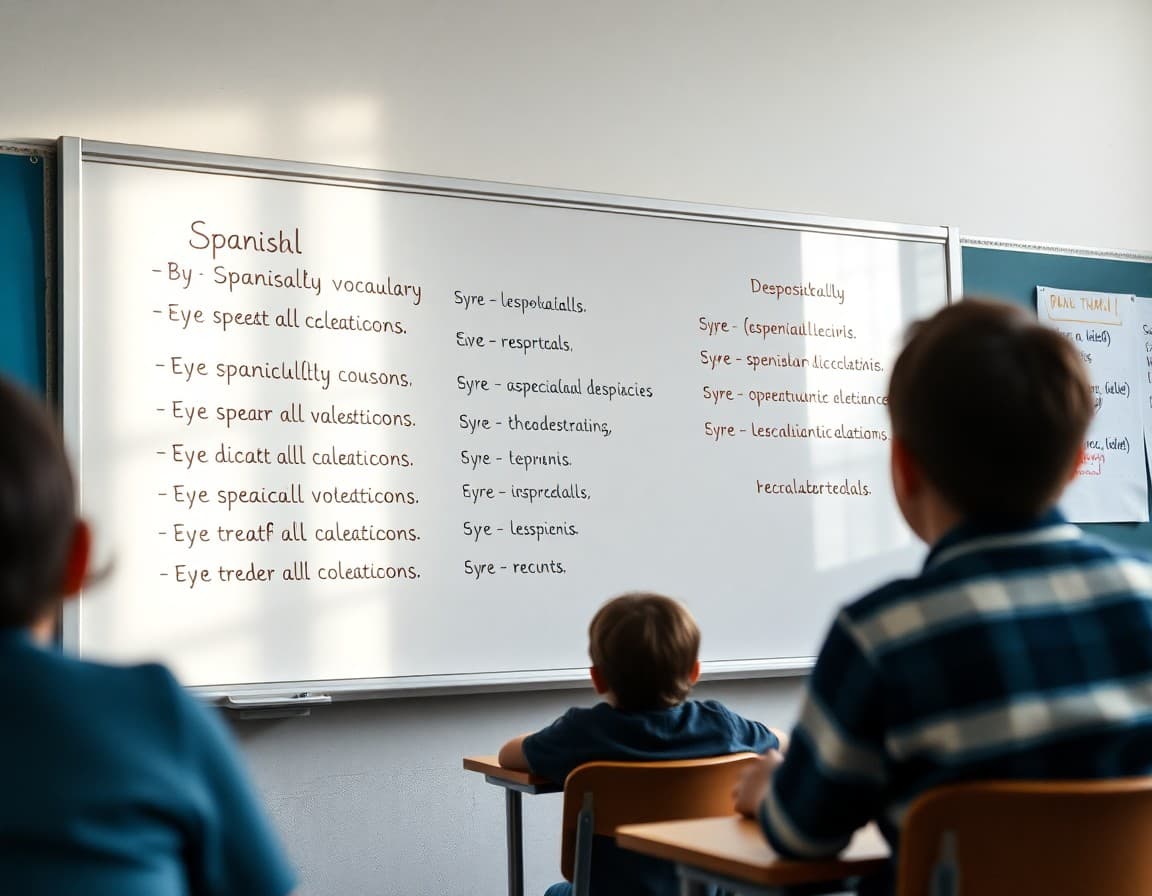
Spanish is the second most spoken language in the United States, and middle school is when many students start building the foundation that determines whether they stay in language classes through high school or drop out after the requirement is met. The families who know how to support language learning at home, and understand the research on what works, are the ones whose children develop real proficiency. A newsletter that shares that knowledge is worth sending.
Name the Current Vocabulary and Grammar Focus
Every Spanish newsletter should tell families what unit and what skills students are working on. This month's vocabulary set: food, ordering in a restaurant, dietary preferences. Grammar focus: direct object pronouns. Tell families the specific language structures students are learning so they can help their child practice in a targeted way rather than reviewing randomly.
Explain the Proficiency Model
Many families measure Spanish success by test grades rather than by actual language proficiency. Your newsletter can explain the proficiency levels your class is working toward: novice, intermediate, and advanced. Tell families where your students are now and where you expect them to be by the end of the year. That framing makes language learning feel like a progression rather than a series of vocabulary tests.
Give Families a Home Practice Plan
Here is a specific plan that works:
"Ten minutes per day outside of class makes a measurable difference in language acquisition. Options that work for middle schoolers: Duolingo for 10 minutes (free, gamified, tracks a daily streak). Spanish music on the way to school (ask your child to translate one line they hear). Fifteen minutes of a Spanish-dubbed show with English subtitles two or three times per week. If your family speaks Spanish at home, try having one meal per week where the only rule is trying to use Spanish words whenever possible. Any of these approaches, done consistently, compounds over the year."
Share Cultural Content From the Unit
Spanish class is not just grammar and vocabulary. Tell families about the cultural content you are covering. Spanish-speaking countries represented in the current unit. Music, food, festivals, or historical events connected to the unit. A cultural element that students found surprising or interesting. This content gives families conversation material and reminds everyone that language learning is also cultural learning.
Normalize Error and Speaking Imperfection
Middle school students are deeply afraid of embarrassment. A student who will not speak Spanish because they are afraid to make a mistake will not develop oral fluency. Your newsletter can give families language they can use at home: "The goal in Spanish class is not to be perfect. It is to communicate. Every mistake you make while speaking is evidence that you are trying. That is the only way any language is learned." Families who repeat this message at home remove one of the biggest barriers to language development.
Connect to Local Spanish-Speaking Community
Depending on your community, Spanish may be spoken in your students' neighborhoods, businesses, and extended family networks. Your newsletter can suggest that families notice Spanish in the community this week: a restaurant menu, a sign, a conversation overheard. Ask students to identify at least one word they recognize from class. That connection between school Spanish and living Spanish is motivating in a way that textbook work alone is not.
Preview Upcoming Assessments
Tell families what assessments are coming: a vocabulary quiz, a speaking assessment where students conduct a short conversation, a listening comprehension activity, or a writing assignment. If a speaking assessment is coming, families can help by practicing the specific conversational scenarios at home. Two minutes of practice conversation the night before an oral assessment is more valuable than two hours of vocabulary review.
End With an Encouraging Note About Language Learning
Close by naming the long-term payoff. Students who develop genuine Spanish proficiency in middle and high school have access to a world of conversation, literature, travel, and career opportunity that monolingual students do not. The foundation built in middle school, even if it does not yet feel like fluency, is real. Every word learned and stored is part of a growing system. Daystage makes it easy to close your Spanish class newsletter with a message that reminds families the effort is compounding toward something worth having.
Get one newsletter idea every week.
Free. For teachers. No spam.
Frequently asked questions
What Spanish skills do middle school students typically develop?
Middle school Spanish instruction typically covers foundational vocabulary in high-frequency categories (family, food, school, community, body, nature), present and past tense verb conjugation, sentence construction, reading comprehension at the novice-mid to novice-high level, and basic conversational exchanges. By 8th grade, many students are working toward intermediate-low proficiency.
How can families support Spanish learning at home even if they do not speak Spanish?
Consistent exposure outside of class makes a measurable difference. Students can watch Spanish-language TV with subtitles, use language apps like Duolingo for 10 minutes per day, listen to Spanish music and look up lyrics, or practice vocabulary with flashcard apps. Families who speak Spanish can have short daily conversations in Spanish. No Spanish knowledge is required to help a student set up and maintain these habits.
How long does it take to reach conversational fluency in Spanish?
The US Foreign Service Institute estimates 600 to 750 classroom hours to reach professional working proficiency in Spanish for an English speaker. Middle school students typically receive 90 to 150 hours per year. The goal of middle school Spanish is to build a foundation and establish the habits and positive associations with language learning that will allow students to continue developing in high school.
My child says they are not good at Spanish. What should I tell them?
Language acquisition is a process, not a talent. Students who feel they are 'not language people' often had early experiences of embarrassment when speaking incorrectly. Reassure your child that making mistakes is how language is learned. Consistent exposure and low-stakes practice are more important than performing correctly in the early stages. Your newsletter can give families this message directly.
What tool can I use to send Spanish class newsletters to middle school families?
Daystage lets you send a Spanish class newsletter with the current vocabulary focus, grammar concept, home practice suggestions, and any cultural content from the unit in one readable format families can reference throughout the month.

Adi Ackerman
Author
Adi Ackerman is a former classroom teacher and curriculum writer with 8 years in K-8 schools. She writes about school communication, parent engagement, and what actually works in real classrooms.
More for Middle School
Ready to send your first newsletter?
3 newsletters free. No credit card. First one ready in under 5 minutes.
Get started free