

7th Grade Reading Log Newsletter: Home Reading Program Guide
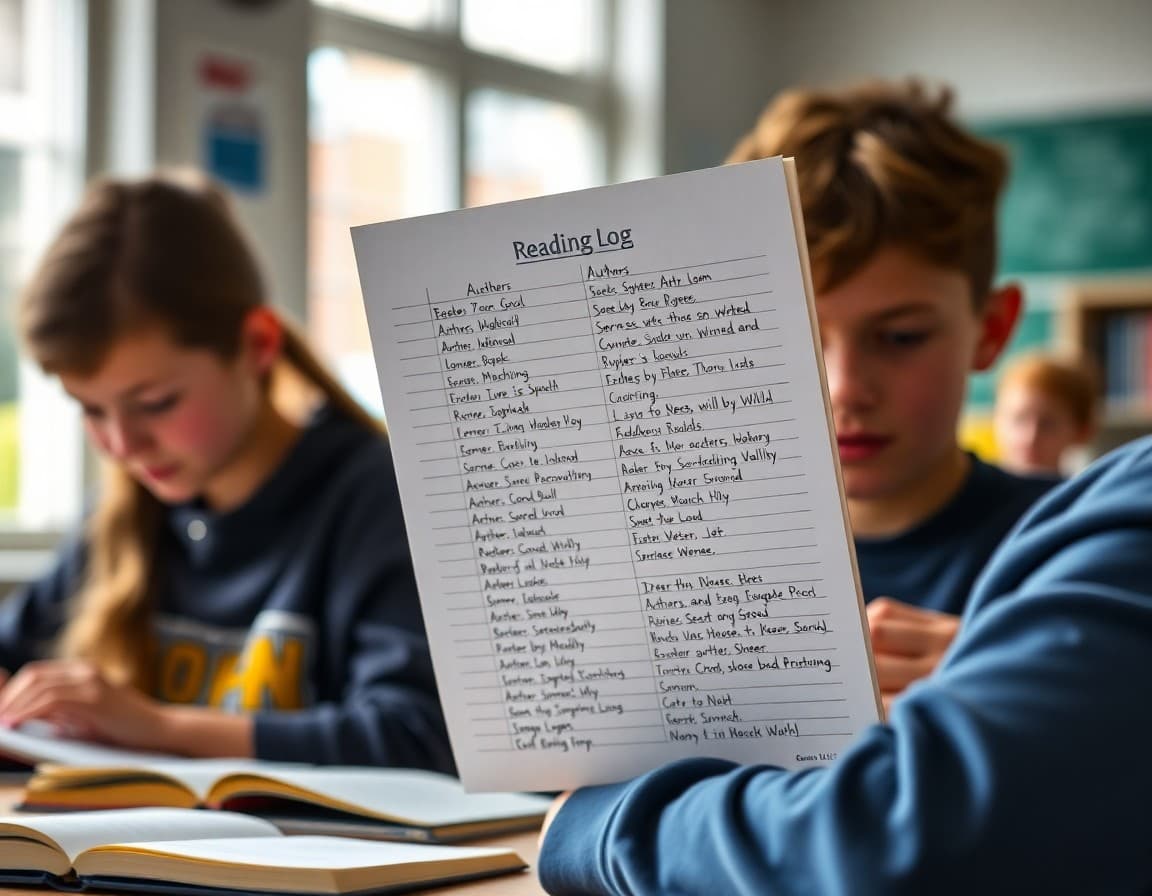
Reading volume in 7th grade often drops compared to 6th grade, and the cause is usually simple: more homework, more extracurriculars, more social obligations, and more compelling screens. A home reading program supported by a clear log and family awareness is one of the most effective tools teachers have for sustaining the habit through this period.
State the Goal and the Why
Open your reading log newsletter with a clear statement of what you are asking for and why. Students who read 20 to 30 minutes per night build vocabulary faster, perform better on comprehension assessments, and develop the stamina for longer reading tasks required in 8th grade and high school. Families who understand the reason behind the log buy into it more than families who see it as another homework item to check off.
Explain the Log Format
Cover each field: date, title, author, pages read, minutes spent, and the response prompt for the week. Give families a completed example entry so there is no ambiguity. At 7th grade, the response should reflect genuine engagement, not just acknowledgment that reading happened. Show them what that looks like in practice.
A Sample Response Entry
Here is the kind of entry worth including in your newsletter as a model:
"June 17 | Hatchet by Gary Paulsen | Pages 78-101 | 25 minutes | Response: Brian keeps making mistakes but he doesn't give up. I think the author is showing that survival is mostly a mental choice. It reminded me of a time I kept trying at something I almost quit."
That response shows genuine engagement without being long. It is a useful model for both students and parents.
Tackle the Reluctant Reader
Not every 7th grader loves reading. Some students who loved books in 5th grade feel alienated from reading once school assigns texts they find dull. Your newsletter can address this directly: book choice matters enormously at this age. Graphic novels count. Nonfiction counts. A series that hooks a student is more valuable than a literary novel they read under protest. Give families permission to help their child find a book they actually want to read.
Set Expectations for Parent Verification
At 7th grade, parent sign-off can feel infantilizing to students. You can ask parents to initial once a week rather than nightly, and explain that the purpose is awareness rather than policing. A parent who knows what their child is reading can have genuine conversations about it. That conversation is the real value of the sign-off.
Handle Screen Competition Honestly
A 7th grader with a phone in their room after 8 PM is competing against video content, social platforms, and group chats. Your newsletter can acknowledge this reality and offer a practical suggestion: reading happens before phones come out in the evening, not as a competition with them. Families who build a phone-free reading window into the night see higher compliance than families who try to add reading on top of everything else.
Share Monthly Reading Highlights
Each month, share two or three books students in the class are reading and loving. This serves as a recommendation list for students who are stuck on what to read next and signals to families that the community of readers is real. A student who sees a classmate enjoying a book is often more willing to try it than one who gets a recommendation from an adult.
Plan Your Update Cadence
Your first reading log newsletter is detailed. Monthly follow-ups should be short: a reading milestone update, two or three new title recommendations, and any adjustments to the log format. Daystage makes it simple to send short monthly reading updates that link back to the full program details so families can find what they need without digging through emails.
Get one newsletter idea every week.
Free. For teachers. No spam.
Frequently asked questions
Why do 7th graders still need a reading log if they can read independently?
By 7th grade, many students can read independently but some stop doing it voluntarily. The reading log maintains the habit during a developmental period when other interests compete heavily for attention. It also gives teachers data about reading volume and variety that helps with instruction and individualized support.
What makes a good reading log response at the 7th grade level?
A strong 7th grade response goes beyond plot summary. Students should be able to identify what surprised them, what they questioned, what the author seemed to be saying, or how a character's choice connected to a theme. Two to three sentences of genuine reflection is better than a paragraph of summary.
How should parents handle a 7th grader who says they read but does not log it?
Encourage parents to ask their child to tell them about what they read that day. A student who genuinely read will be able to describe what happened or what they thought. One who did not will struggle to fill two sentences. The conversation test is more revealing than a signed log.
What do I do about students who read above or below grade level?
Your newsletter can reassure families that the reading log program is about volume and habit, not performance measurement. Students reading above grade level should be encouraged to pursue challenging books without being required to choose easy ones. Students reading below grade level should be choosing books that feel engaging, even if they are not grade-typical.
What tool can I use to communicate reading log expectations to 7th grade families?
Daystage is a good option for a reading log newsletter because you can share the log format, response examples, and your monthly reading goals in one place that families can access all year.

Adi Ackerman
Author
Adi Ackerman is a former classroom teacher and curriculum writer with 8 years in K-8 schools. She writes about school communication, parent engagement, and what actually works in real classrooms.
More for Middle School
Ready to send your first newsletter?
3 newsletters free. No credit card. First one ready in under 5 minutes.
Get started free