

7th Grade Book Report Newsletter: Helping Families Support Writing
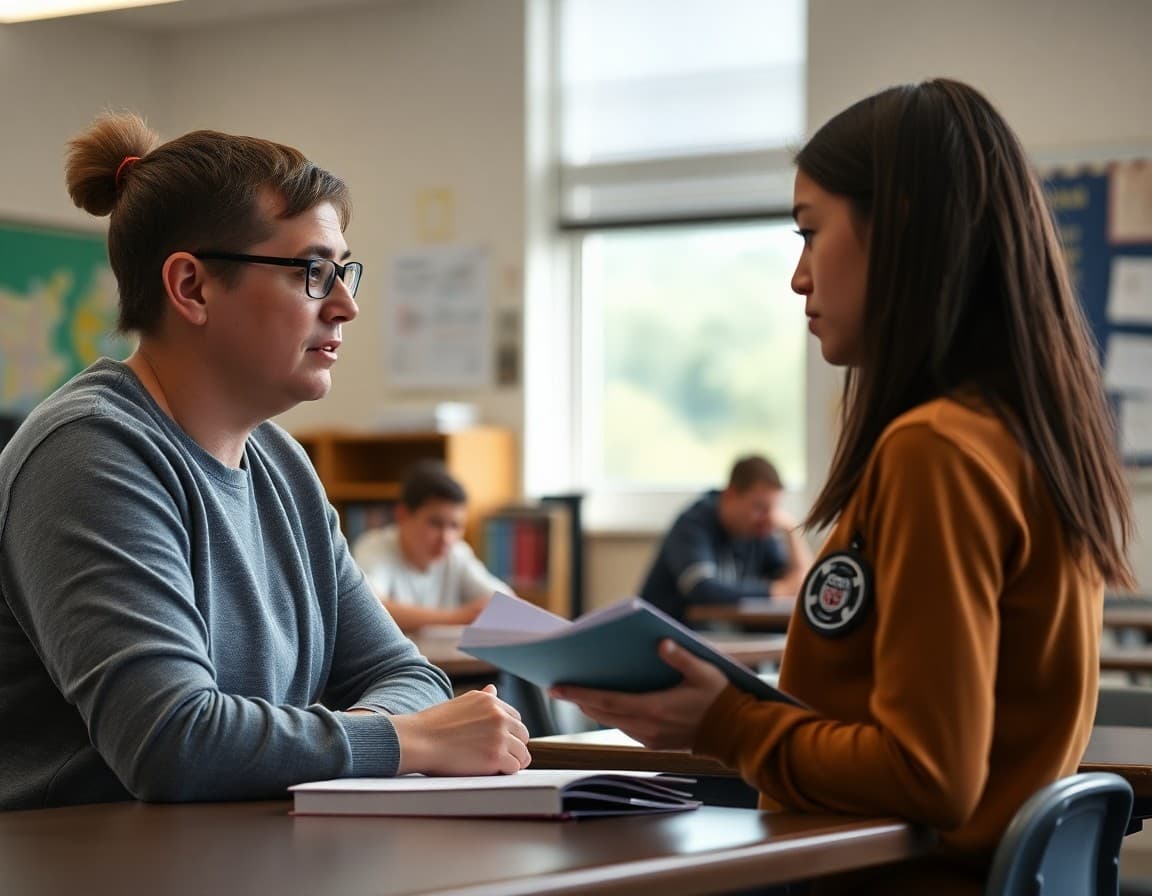
By 7th grade, a book report is no longer a summary with an opinion attached. Students are expected to build an argument about what a text means and support that argument with evidence from the book. That shift is significant, and families who understand it can help their child make the jump rather than defaulting to what worked in elementary school.
State the Assignment Requirements Clearly
Your newsletter should cover the basics first: the book or selection options, the required length, the due date, the format, and whether a works cited or bibliography is required. Make these specific. "Four to five paragraphs, double-spaced, 12-point font, due Friday November 14 by 11:59 PM on the class portal" is more useful than "a multi-paragraph essay about the book."
Explain What a Thesis Is in 7th Grade Terms
Many 7th graders think a thesis is a topic sentence for the whole essay. In literary analysis, it is a specific, arguable claim about what the book means or what it says about human experience. Your newsletter can offer a simple formula families can use to help their child draft one: "In [title], [author] argues that [specific claim], as shown through [specific element like a character or plot device]." Families who understand the formula can help their child test whether what they have written actually qualifies as a thesis.
Walk Through the Rubric
Share what you are grading and how. If the rubric weights thesis development at 30 percent, evidence quality at 30 percent, analysis at 25 percent, and mechanics at 15 percent, families know where to direct their child's effort. A student who spends 80 percent of their revision time on grammar and only 20 percent on argumentation is working against the grade distribution.
A Sample Parent Coaching Script
Here is a section to paste into your newsletter:
"To support your child without writing their report for them, try these two questions: 'What is the one main claim your report is making?' and 'Show me the part of the book that proves it.' If they cannot answer both clearly, they need to spend more time thinking before they start writing. Once they can explain their argument out loud, the writing usually comes together faster."
Address Academic Integrity
By 7th grade, students have access to AI writing tools and know they exist. Your newsletter should state your academic integrity policy clearly and explain how you verify student authorship. Brief in-class discussions, verbal explanation requirements, or a short reflection after submission are all valid methods. Families who know about these practices are more likely to make sure their child does their own work.
Set a Reading and Writing Timeline
Break the assignment into phases with suggested dates: finish reading by this date, outline thesis and evidence by this date, first draft done by this date, revisions complete by this date. Families who help their child work to this timeline avoid the all-nighter scenario that produces poor writing and stressed students.
Connect the Report to Classroom Reading
If the book report connects to class discussions, annotation skills, or a theme unit you have been running, mention that connection. Families who see the assignment as part of an ongoing learning arc rather than an isolated task tend to support it with more engagement. "This report is the culminating project for our unit on identity and belonging" gives the work meaning.
Offer an Office Hours or Conference Option
Some students get stuck and do not know how to ask for help. Your newsletter can mention when you are available for questions, whether that is an office hour, a before-school session, or an email window. Families who know help is available will encourage their child to use it. Daystage makes it easy to add a contact or sign-up section to your newsletter so families can reach out without a separate email thread.
Get one newsletter idea every week.
Free. For teachers. No spam.
Frequently asked questions
What does a 7th grade book report need to include that earlier reports did not?
Seventh grade reports typically require a clear argumentative thesis, not just a summary and opinion. Students should support that thesis with multiple pieces of text evidence, analyze the author's craft choices, and connect the theme to a broader idea. The shift from 'I liked this book because' to 'This novel argues that' is the hallmark of 7th grade literary writing.
How long should a 7th grade book report be?
Three to five paragraphs is typical for an introductory literary analysis assignment. A more advanced project might run four to six pages. Your newsletter should state the specific length requirement rather than leaving families guessing. Include both a minimum and a recommended length to guide students who tend to under-write.
How do I help parents coach 7th grade literary analysis without writing it for them?
Give parents two specific questions: 'What is the one claim your report is making?' and 'What is one moment in the book that proves that claim?' If a student cannot answer both, they are not ready to write the body paragraphs. Those two questions help parents diagnose where their child is stuck without taking over the thinking.
What should I do if a student submits work that looks AI-generated or written by a parent?
Your assessment plan and academic integrity policy should cover this, and your newsletter should mention those policies briefly. Let families know you ask students to discuss their reports verbally after submission, which is the most reliable way to verify authorship. Students who understand the material can always talk about it.
What tool can I use to share book report updates with 7th grade families?
Daystage is useful for book report newsletters because you can include the rubric, the reading and writing timeline, and coaching tips for families all in one shareable place that stays accessible throughout the assignment.

Adi Ackerman
Author
Adi Ackerman is a former classroom teacher and curriculum writer with 8 years in K-8 schools. She writes about school communication, parent engagement, and what actually works in real classrooms.
More for Middle School
Ready to send your first newsletter?
3 newsletters free. No credit card. First one ready in under 5 minutes.
Get started free