

New York Middle School Newsletter Guide for Teachers
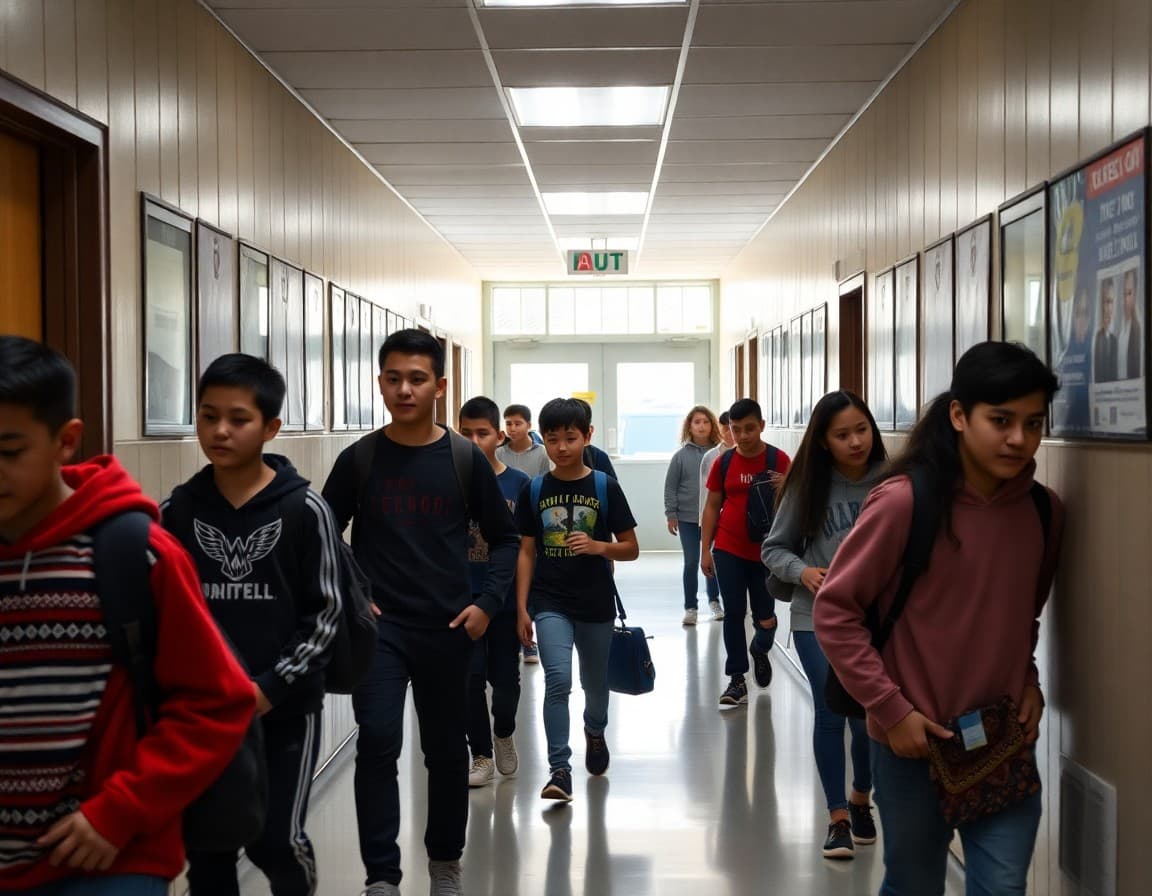
New York middle school families -- whether in the Bronx or in upstate Syracuse -- want to know what their child is doing academically and whether they are on track. The challenge in New York is the scale and complexity: NYC has 1.1 million students across five boroughs with hundreds of distinct school cultures, while upstate districts range from highly resourced suburban schools to communities with severe funding challenges. This guide covers the communication essentials that work across both contexts.
What NY State Requires and What Your Evaluation Depends On
The APPR teacher evaluation framework used across New York State includes family and community engagement as a professional practice domain. In NYC, the DOE's Chancellor's Regulations add specific expectations about parent communication frequency and language access. A documented monthly newsletter -- with archived editions and open rate data -- provides strong evidence for your professional practice rating and protects you if communication disputes arise.
For Title I middle schools, ESSA requires a formal parent and family engagement policy that includes how the school will communicate with families. Your newsletter is a core component of fulfilling that policy in practice.
Core Sections for NY Middle School Newsletters
Middle school newsletters work best when they are concrete and specific rather than general and motivational:
- Current unit in each subject with the next assessment date
- How to check grades and assignments (Jupiter, PowerSchool, Google Classroom depending on your district)
- Extracurricular schedules and any upcoming performances or competitions
- School events and any changes to the bell schedule
- A brief family engagement tip or vocabulary activity
For eighth-grade newsletters in NYC, dedicate a section to high school application updates from October through January. This is the single most anxiety-producing process for NYC eighth-grade families, and clear communication from teachers reduces the confusion significantly.
A Template Excerpt for NYC Eighth Grade
ELA -- Ms. Chen: We are writing our comparative essays based on the two memoirs we read this quarter. Final drafts are due October 20. Peer review is October 15. The rubric is on Google Classroom.
High School Application Update: High school open houses run through November. The NYC high school application is due December 1. Students who want to apply to specialized high schools must register for the SHSAT by October 14 -- there are no late registrations. If your child has not registered yet, contact the main office today.
SHSAT Prep Resources: Free SHSAT prep is available through NYC DOE's Specialized High School Prep Program. Applications for the spring program are due November 1.
NYSTP Testing in Grades 6, 7, and 8
New York's state tests in ELA and math run in April and May for grades 6-8. The science performance test is administered in grade 8. Include NYSTP information in your March newsletter:
- Specific test dates for each grade and subject
- How Level scores work (1-4 scale, Level 3 indicates grade-level proficiency)
- What families should do (consistent sleep, on-time attendance)
- When to expect scores (typically released in July for NY state tests)
Avoid framing NYSTP scores as the definitive measure of a student's ability. In NY, Regent exams in high school carry far more weight for graduation. Middle school NYSTP scores inform instructional grouping, not graduation eligibility.
Addressing Accelerated Coursework
New York has significant rates of eighth-grade Algebra 1 enrollment, and many districts offer accelerated ELA and science options. Your newsletter should be clear about what accelerated placement means, how grades translate to high school credits, and what support is available for students who find the pace challenging. In NYC, accelerated course availability varies significantly by school, and families often do not know to ask about it.
Upstate NY Middle School Considerations
Upstate middle school newsletters do not face the high school application complexity of NYC, but they have their own context. Agricultural families may have irregular attendance in the fall harvest season -- acknowledge this without making it a parent-teacher conflict. Rural districts with small grade-level cohorts benefit from newsletters that note community connections: local history in social studies units, regional science topics, career connections to local industries. These make the curriculum feel relevant to students' actual lives.
Building a Team Newsletter Process
The most efficient NY middle school newsletters are team productions. Each subject teacher contributes a brief section, one teacher assembles and edits, and the team sends one newsletter. This takes about 20 minutes per teacher per month and produces a professional, complete communication that families find much more useful than five separate subject-specific emails.
Get one newsletter idea every week.
Free. For teachers. No spam.
Frequently asked questions
What should a New York State middle school newsletter include?
Cover current units and upcoming assessments in each subject, grading policy reminders, extracurricular schedules, and school events. For NY middle schools, include NYSTP testing reminders for grades 6, 7, and 8, information about accelerated math (Algebra 1 in eighth grade is common in NY), and eighth-grade high school application or transition information. In NYC specifically, the high school application process begins in eighth grade and deserves dedicated newsletter coverage.
How does the NYC high school application process affect middle school newsletters?
NYC eighth graders navigate one of the most complex high school application processes in the country, including the specialized high school admissions test (SHSAT) and the general high school application through the DOE's school choice system. Your October newsletter should introduce the timeline, your November newsletter should cover open house season, and your January newsletter should address application submission deadlines. Many families miss deadlines because they do not understand the process is opt-in and time-sensitive.
How do NY middle school teachers document parent communication for APPR?
The Annual Professional Performance Review (APPR) framework includes family and community engagement as a professional practice domain. A consistent newsletter archive demonstrates documented communication with families and can be referenced in your APPR portfolio. Keep copies of each newsletter with the send date and any translation notes. Open rate data from a digital newsletter platform provides additional evidence of family engagement.
How often should NY middle school teachers send newsletters?
Monthly is the standard across most NY districts. Grade-team newsletters are common in NYC middle schools because they give families complete information in one email. If your team sends a team newsletter, individual teachers can supplement with a brief course-specific update for high-demand courses like Algebra or English. Do not send competing newsletters from the same grade -- consolidate so families are not confused.
What tool works best for NY middle school team newsletters?
Daystage is designed for school newsletters specifically and handles multi-section team newsletters well. One teacher serves as the editor, each team member contributes a section, and the newsletter goes out under the team's name. Open rate tracking lets the team see which grade-level families are most and least engaged, which can inform decisions about in-person outreach.

Adi Ackerman
Author
Adi Ackerman is a former classroom teacher and curriculum writer with 8 years in K-8 schools. She writes about school communication, parent engagement, and what actually works in real classrooms.
More for Middle School
Middle School Counselor Newsletter: What to Include and How to Reach Families
Middle School · 7 min read
Middle School Back-to-School Newsletter: What Families Need to Know Before Day One
Middle School · 7 min read
April Newsletter Ideas for 8th Grade Teachers: What to Send This Month
Middle School · 6 min read
Ready to send your first newsletter?
3 newsletters free. No credit card. First one ready in under 5 minutes.
Get started free