
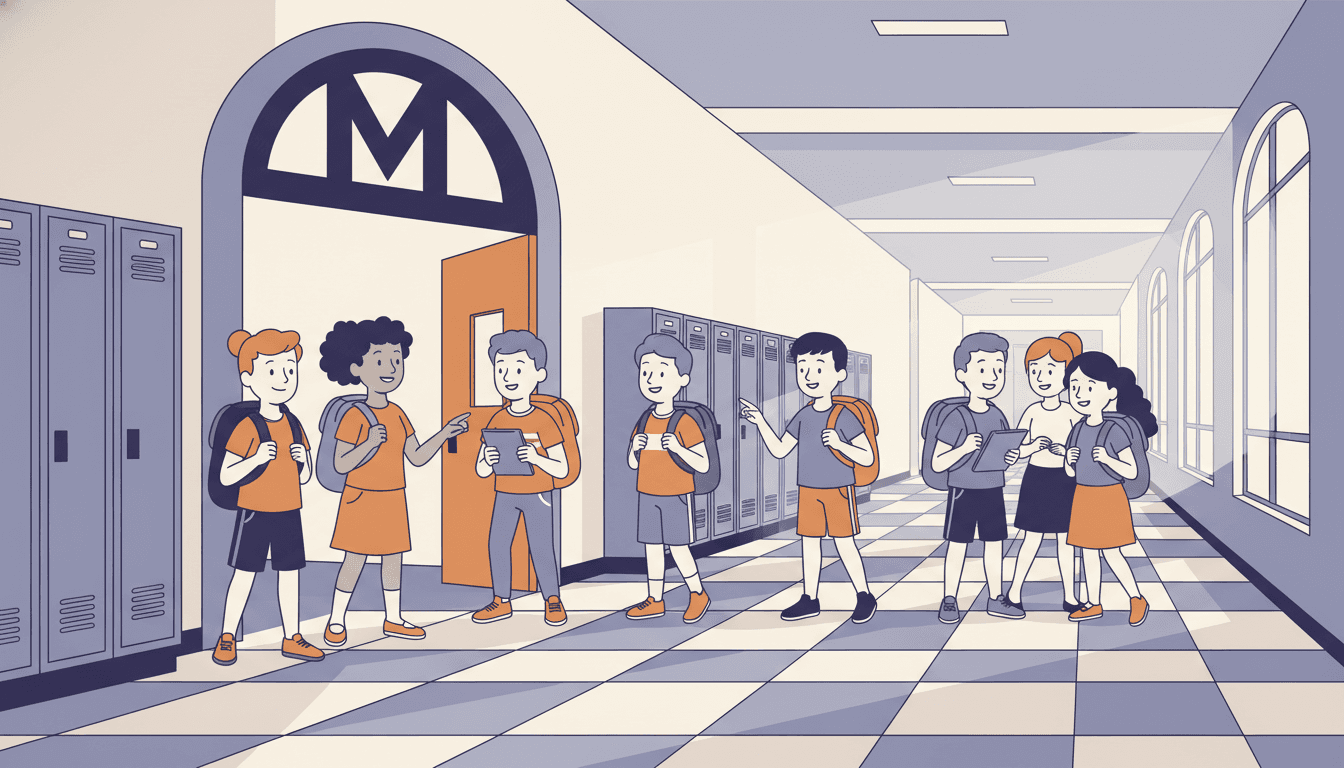
Middle School Back-to-School Newsletter: What Families Need to Know Before Day One
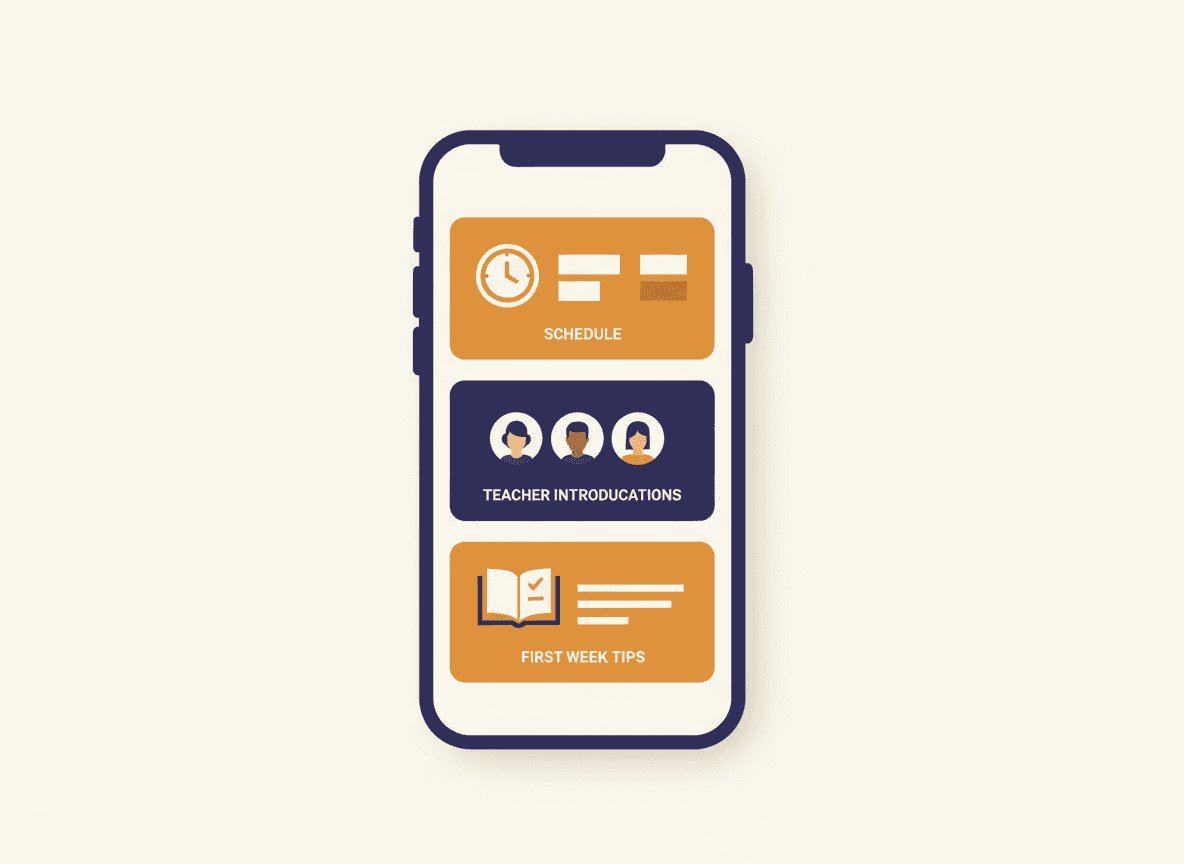
The first newsletter families receive from a middle school teacher sets the tone for the entire year. Families are making quick judgments: Is this teacher organized? Will they communicate clearly? Do they know what they are doing? A well-crafted back-to-school newsletter answers those questions before anyone sets foot in the building.
This guide covers what to include, what to skip, when to send, and how to make the first newsletter one families actually read instead of archive.
When to send the back-to-school newsletter
Send it one to two weeks before the first day. Not the week after school starts. Not the night before.
Middle school families, especially those with incoming 6th graders, have a lot of logistics to coordinate. Which locker combination did they get? How does the class schedule work? What happens if a student misses the bus? If they receive this information early, they can plan. If they receive it on day one, they are already in reaction mode.
A second short reminder sent two to three days before the first day reinforces the key logistics without adding new information. Keep the reminder to a short paragraph with the three most time-sensitive details.
What families actually need before the first day
The biggest mistake middle school teachers make in back-to-school newsletters is including too much. The result is a long document families skim and still feel unprepared after reading. Focus on what families need to act on before day one.
- First day date and bell times. State these clearly at the top. Do not assume families know the schedule from a previous year; things change and 6th grade families are new to the building.
- What to bring on day one. A specific, short list. Not a full supply list if that comes separately. Just what students need for the first day.
- Classroom expectations in plain language. Two to three sentences on what you expect from students and how the class generally runs. Skip the full syllabus. Save that for the first week.
- How and when you communicate. Tell families upfront: you send a weekly newsletter every Friday, you check email between these hours, and the best way to reach you is by email. Setting this expectation early prevents endless reply-all threads and texts to the school office.
- One thing you are genuinely excited about teaching this year. A single sentence. This humanizes you and tells families their child is starting the year with a teacher who cares about the subject.
What to save for later
The full supply list, the grading rubric, the field trip permission slip, the volunteer signup, and the class reading list do not belong in the back-to-school newsletter. These are follow-up communications, each sent at the right time.
A common error is sending one massive newsletter that tries to cover the entire first month. Families cannot absorb that much at once, and when they need to find a specific item later, they cannot locate it in the wall of text. Drip that information across the first three to four newsletters instead.
Addressing 6th grade families specifically
If you teach 6th grade or are writing a grade-level newsletter for incoming middle schoolers, add a short paragraph that directly acknowledges the transition. Something like: middle school is a different structure than elementary school, and it is normal to feel a little uncertain in the first week. Here is what we are doing to make the transition easier.
This kind of acknowledgment goes a long way. Families of 6th graders are often more anxious than their kids about the transition. Naming it in the newsletter shows you understand the context and are paying attention to more than just curriculum.
Tone and length for back-to-school middle school newsletters
Aim for 400-600 words. Four to five short sections with clear headers. Most families read on their phones during whatever pocket of time they have in the day. A newsletter that takes ten minutes to read is a newsletter that gets put aside and forgotten.
Write in a direct, warm tone. Not overly casual, not formal. Think of how you would explain the first day logistics to a neighbor: clear, friendly, and efficient.
Avoid jargon. "Standards-based learning objectives will be communicated via the district LMS" means less to most families than "I will share what we are working on each week and post assignments to the class page."
How Daystage makes the back-to-school newsletter easier to send
Daystage lets you build a branded, professional newsletter in minutes. Set your name, subject, and school colors once. The block editor makes it fast to add your sections, insert the first-day dates as a highlighted event block, and send to your entire parent list in one click.
After you send, open rate tracking shows you how many families read it and when. If open rates are low, you know to follow up through a different channel before the first day.
The back-to-school newsletter builds the whole year
Families who receive a clear, well-organized back-to-school newsletter from a teacher start the year with a higher baseline of trust. That trust compounds over time. They read subsequent newsletters. They respond when you ask for input. They show up to conferences better informed.
The first newsletter is not just logistics. It is an introduction to how you communicate, how organized you are, and what kind of year families can expect. Make it count.
Get one newsletter idea every week.
Free. For teachers. No spam.
Frequently asked questions
When should middle school teachers send the back-to-school newsletter?
Send the back-to-school newsletter one to two weeks before the first day of school, not the night before or after school starts. Middle school families, especially those with incoming 6th graders, need time to coordinate logistics like locker combinations, bus routes, and supply lists. A short reminder two to three days before the first day reinforces only the most time-sensitive details.
What should a middle school back-to-school newsletter include?
Focus on what families need to act on before day one: first day date and bell times, what students should bring, two to three sentences on classroom expectations, and how and when you communicate with families. Including one genuine sentence about what you are excited to teach humanizes the message and sets a positive tone before anyone walks through the door.
How should middle school teachers handle the back-to-school newsletter differently for 6th graders?
Add a short paragraph that directly acknowledges the transition to middle school. Families of incoming 6th graders are often more anxious than their kids about the new building, multiple teachers, and locker logistics. Naming that directly, and explaining what the school does to ease the adjustment, builds trust before the first day and reduces the flood of anxious emails in week one.
What challenges do middle school teachers face when writing back-to-school newsletters?
The most common mistake is including too much in the first newsletter, which results in a long document families skim and still feel unprepared after reading. At the middle school level, families are receiving communication from multiple teachers and the front office, so a newsletter that buries the key logistics under too much information gets ignored. Spread detailed content across the first three to four newsletters instead.
Is there a tool that makes it easier to send well-structured back-to-school newsletters?
Daystage is designed for exactly this kind of structured, recurring communication. The block-based format makes it easy to separate logistics from context, so families can quickly scan for the dates and details they need without missing the information buried in paragraph text.

Adi Ackerman
Author
Adi Ackerman is a former classroom teacher and curriculum writer with 8 years in K-8 schools. She writes about school communication, parent engagement, and what actually works in real classrooms.
More for Middle School
Grade-Level Newsletters in Middle School: How Teams Can Communicate Together
Middle School · 7 min read
Middle School Principal Newsletter: Leading School Communication From the Top
Middle School · 6 min read
Middle School Testing Season Newsletter: What to Tell Families Before State Tests
Middle School · 7 min read
Ready to send your first newsletter?
3 newsletters free. No credit card. First one ready in under 5 minutes.
Get started free