

New Mexico Middle School Newsletter Guide for Teachers
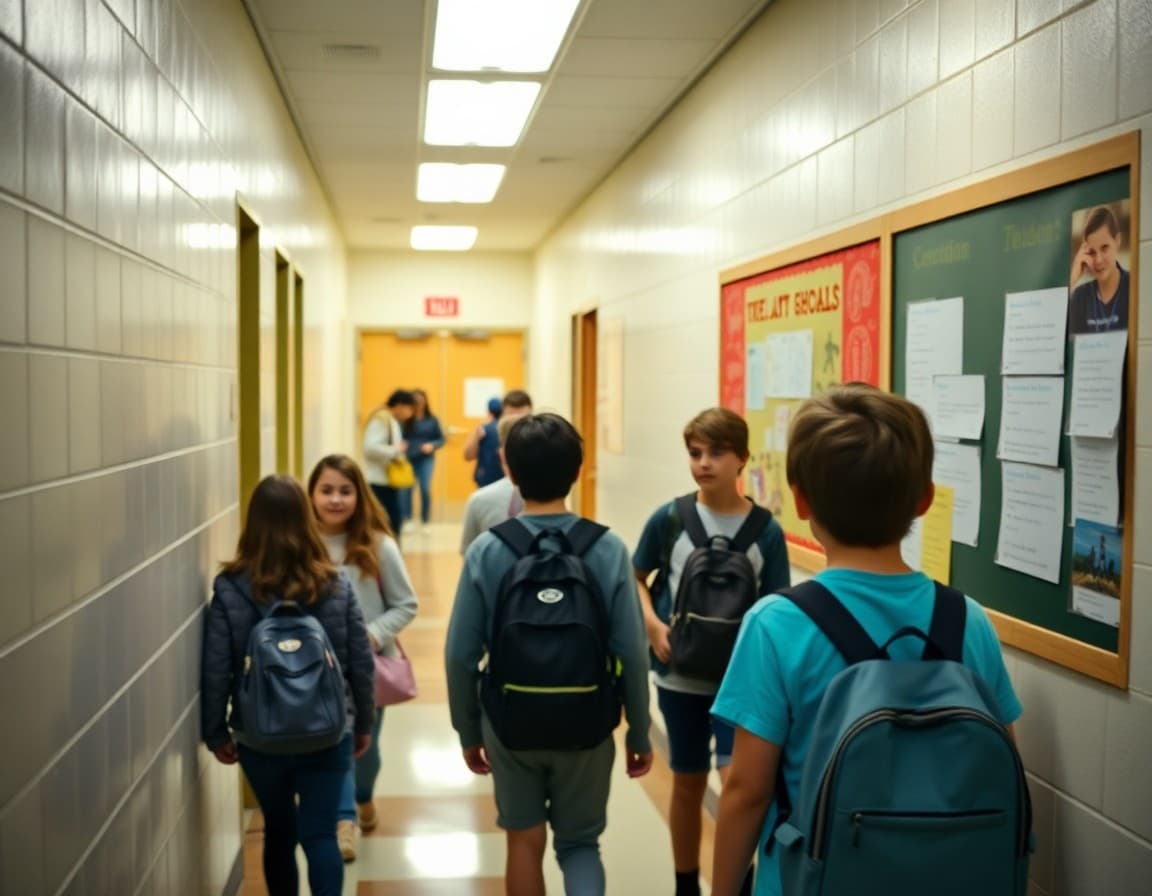
New Mexico middle school teachers face a communication challenge that combines the typical middle school parent engagement drop-off with the state's unique geographic, cultural, and economic context. Families in Albuquerque, Farmington, Las Cruces, and rural Rio Grande communities all need different things from a school newsletter. This guide gives you a framework that works across those contexts.
Why Middle School Communication Matters More in NM
New Mexico consistently ranks near the bottom in national education metrics, not because of lack of effort from teachers or families, but because of systemic challenges including high poverty rates, limited rural infrastructure, and historical underfunding. Middle school is the grade band where disengagement often takes root. A teacher who communicates consistently with families -- even in a state where those families may be working multiple jobs or living far from the school -- signals to students that their education is worth paying attention to.
The NMPED's family engagement guidelines encourage schools to reach families through multiple channels. A newsletter is one of those channels, and for families who cannot attend evening events or respond quickly to phone calls, it may be the most reliable one.
The Core Sections for NM Middle School Newsletters
- Current unit or chapter in each subject, with specific upcoming assessment dates
- Homework expectations and how to check assignments (Google Classroom, ParentVUE, etc.)
- Extracurricular and athletic schedules
- School and grade-level events
- A brief family engagement tip for the current academic focus
- Contact information and best method to reach each teacher
For eighth grade teachers, add a section on high school transition starting in October. Many NM families are unfamiliar with the NM high school graduation requirements (24 credits, including specific core requirements) and need early preparation to plan their student's course trajectory.
A Template Excerpt for NM Eighth Grade
English Language Arts: We are finishing our unit on persuasive writing. Students will submit their final argumentative essay on October 18. The rubric is posted in Google Classroom.
High School Transition: High school course selection for ninth grade begins in January. NM requires 24 credits to graduate, including 4 in English, 4 in math, 3 in science, and 3 in social studies. Your child's counselor will schedule a meeting with each eighth grader in November. If you have questions about course options or placement, contact your student's counselor before then.
Addressing NMSBA Testing in Middle School
The New Mexico Standards-Based Assessment covers ELA and math in grades 6, 7, and 8. The testing window typically runs in late March and April. Include testing information in your February and March newsletters. For eighth grade science teachers, note that NMSBA-Science is also administered in grade 8.
NM's A-F school grading system is partially based on NMSBA scores, which means test performance has implications for the school beyond individual student records. Be honest with families about this without creating undue test anxiety. Frame it as a collective effort: "When all students perform well, it reflects well on our school community and protects our programs."
Connecting NM Families to Community Resources
Middle school is also when families may need outside support. Your newsletter is a good place to mention resources specific to New Mexico:
- NM Public Education Department's parent resources page
- Local Boys and Girls Clubs (significant presence in Albuquerque and Las Cruces)
- NM 211 (health and social services referral line)
- Your district's McKinney-Vento contact for families experiencing housing instability
- Tribal education departments for families enrolled in tribal communities
Cultural Relevance in NM Middle School Newsletters
New Mexico's student population is majority-minority and includes significant Hispanic, Native American, and Black communities. A newsletter that references culturally relevant examples -- NM history, local authors, regional science topics -- connects academic content to students' lived experience and signals to families that their culture is present in the curriculum, not just tolerated by it.
Avoid generic "diversity" language. Be specific: "We are reading work by Rudolfo Anaya this month" or "Our science unit on river ecology includes the Rio Grande ecosystem" is far more meaningful than a general statement about valuing diverse perspectives.
Scheduling Your Newsletter Around the NM Calendar
New Mexico middle schools follow a September-to-May calendar in most districts. Key anchor points for your newsletter schedule:
- September: Welcome, grading policy, contact information
- October: First progress update, eighth grade transition preview
- February: NMSBA testing preview, second semester goals
- March: Testing window reminders, spring events
- April: End-of-year planning, promotion requirements
Get one newsletter idea every week.
Free. For teachers. No spam.
Frequently asked questions
What should a New Mexico middle school newsletter include?
Cover current units and upcoming assessments in each subject, extracurricular schedules, grading policy reminders, and school events. For NM middle schools, include NMSBA testing reminders for grades 6, 7, and 8, information about any dual-enrollment or advanced course opportunities available through NM universities or community colleges, and eighth-grade transition planning information starting in October.
How do NM middle schools serve rural and tribal families through newsletters?
Many NM middle school students live in rural areas or on tribal lands with limited internet connectivity. A newsletter strategy should include a backup printed option for families who request it, mobile-optimized formatting for families on smartphones, and plain HTML rather than image-heavy PDFs. For schools near tribal communities, coordinate with the Indian Education department to ensure your newsletter reaches families through tribal communication channels.
How do I address the transition to high school in my newsletter?
Start in October of eighth grade with a brief explanation of NM graduation requirements (24 credits for a standard diploma) and how high school course selection works. In January, cover specific deadlines for high school registration, any accelerated or honors placement processes, and how families can access the high school program of study. In NM, the NMPED's career clusters framework is relevant for families thinking about CTE pathways.
How often should NM middle school teachers send newsletters?
Monthly is standard across most NM districts. Grade-team newsletters that combine all subject areas into one monthly communication work particularly well at the middle school level -- families get complete information in one email instead of juggling multiple teacher communications. If your school has a high percentage of families without reliable email access, consider coordinating a printed version through the main office.
What newsletter platform works for NM middle school teachers?
Daystage works well for grade teams that want a single formatted newsletter with sections from multiple teachers. One teacher can serve as the editor, each team member contributes their section, and the newsletter goes out under the team's name. This is more efficient than five separate teacher emails and presents a unified professional presence to families.

Adi Ackerman
Author
Adi Ackerman is a former classroom teacher and curriculum writer with 8 years in K-8 schools. She writes about school communication, parent engagement, and what actually works in real classrooms.
More for Middle School
5th to 6th Grade Transition Newsletter: How to Prepare Families for Middle School
Middle School · 7 min read
Alaska Middle School Newsletter Guide: What to Include for Families
Middle School · 8 min read
Middle School Back-to-School Newsletter: What Families Need to Know Before Day One
Middle School · 7 min read
Ready to send your first newsletter?
3 newsletters free. No credit card. First one ready in under 5 minutes.
Get started free