

Nebraska Middle School Newsletter Guide for Teachers
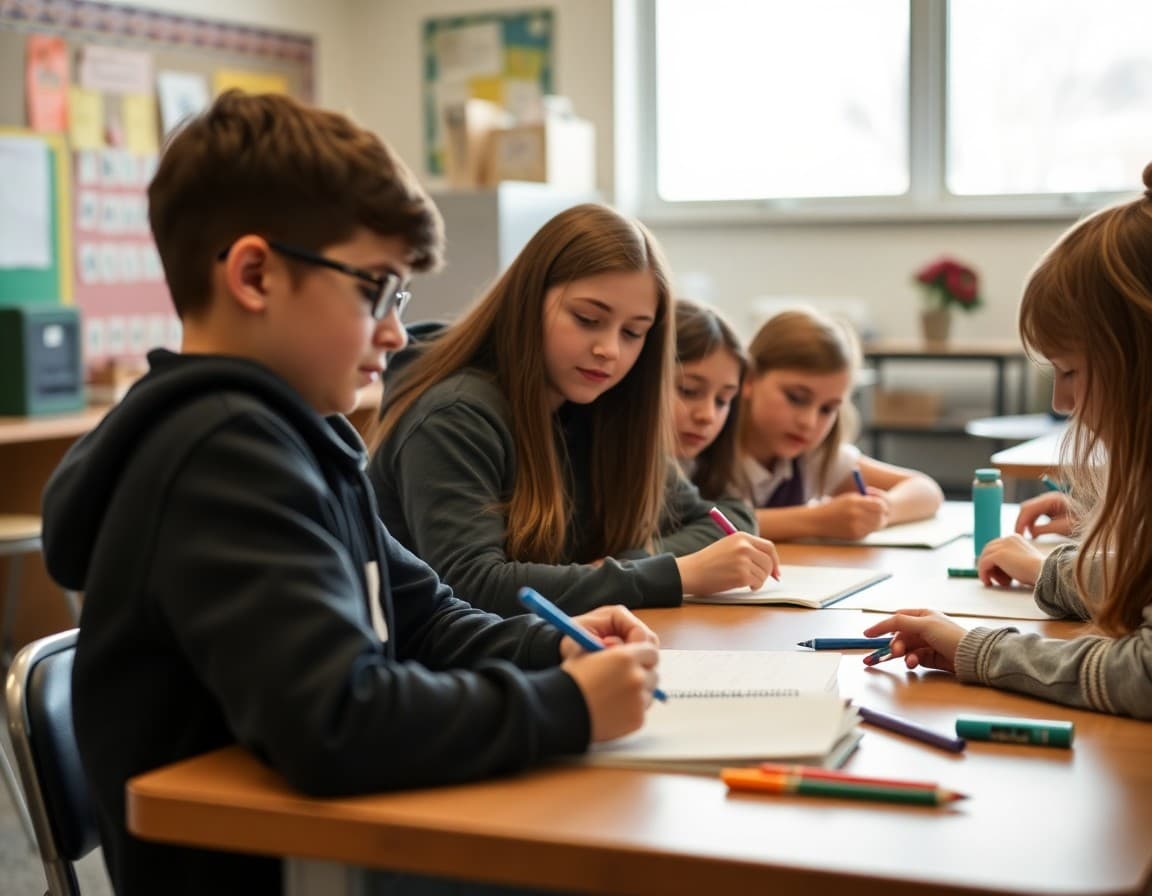
Nebraska middle school teachers face the challenge of maintaining family engagement through the years when students most commonly pull away from sharing information about school. In Nebraska's diverse contexts, from Omaha's urban neighborhoods to the small towns of the Sandhills and Panhandle, consistent newsletter communication keeps families connected to their child's academic progress and the decisions that will shape high school and beyond.
Nebraska Middle School Communication Priorities
Nebraska families with middle schoolers need four things: academic updates connected to NSCAS, upcoming deadline reminders, high school pathway information starting in grade 7, and occasional social-emotional context. A bi-weekly newsletter that addresses these priorities gives families what they need without overwhelming them. The most important period for middle school newsletters is January through March, when NSCAS communication matters most.
Omaha's diverse middle school population includes communities from Mexico, Guatemala, Somalia, Vietnam, Burma, and many other countries. Grade-level newsletters in Omaha middle schools benefit from Spanish and Somali translations, as these are the largest non-English language groups in the city's public schools.
NSCAS Communication Starting in January
Nebraska's NSCAS assessments in February mean middle school newsletter testing communication starts in January, earlier than most states. The first newsletter after winter break should include NSCAS dates, what subjects are tested at each grade level, what students need for test day, and how families can support preparation during the final weeks. "The NSCAS math assessment for 7th graders is scheduled for February 12-14. Students can review by completing the practice problems posted on Google Classroom" is specific and actionable.
A Template Excerpt for Nebraska Middle School Newsletters
Here is a grade-level team newsletter section:
"ELA: We finished our argument essay unit. Students argued positions on school topics they chose themselves, which builds the independent thinking NSCAS essay prompts require. Math: We started linear relationships. This is a foundational 8th grade concept and one of the higher-weighted topics on the NSCAS math assessment. Science: We began our ecosystems unit using Nebraska's prairie and wetland environments as our primary examples. Social studies: Civil rights era finished, Cold War starts Monday. Upcoming: NSCAS window opens February 10. End of quarter 1: November 15. Grade reports available in the portal by November 20."
High School Pathway Information for Nebraska Families
Nebraska's high school landscape includes comprehensive public high schools, specialized magnet programs in Omaha and Lincoln, and CTE programs available across rural districts. For Omaha families, specialized programs at schools like Omaha Benson Magnet High School, Bryan High School's healthcare academy, and other specialized programs have specific application timelines. Grade 7 newsletters should introduce these options, and grade 8 newsletters should provide specific application deadlines and criteria.
For rural Nebraska families, CTE programs in agriculture, welding, automotive technology, and healthcare lead directly to employment in local communities. Newsletters that spotlight these programs and the credentials students earn help families see CTE as a high-value pathway rather than a default option for students who are not college bound.
Rural Nebraska Middle School Communication
Nebraska's rural middle schools serve communities where the school is the social center of town. Newsletters that acknowledge local events, athletic schedules, and community connections build school-community relationships that support every other aspect of the educational mission. A single mention of the county fair, a local agricultural event, or a community volunteer opportunity shows families that the school is rooted in the community rather than disconnected from it.
Sustaining Bi-Weekly Newsletters Through the Nebraska Year
The hardest stretch for Nebraska middle school newsletters is February through April, when NSCAS testing, spring activities, and end-of-year planning pile up simultaneously. Keep the newsletter brief in those months. Two or three focused items, sent consistently, are more valuable than a comprehensive monthly publication. Families who have been reading bi-weekly newsletters since September are the most engaged readers in February, when the NSCAS communication matters most. The trust built over the first five months of the year makes the testing-season newsletters more effective than any one-time communication could be.
Get one newsletter idea every week.
Free. For teachers. No spam.
Frequently asked questions
What content do Nebraska middle school families respond to most?
Nebraska middle school families consistently engage with academic updates connected to NSCAS assessments, extracurricular and sports schedules, high school preparation information, and social-emotional learning context. Omaha families appreciate detailed information about magnet and specialized high school programs. Rural Nebraska families value content about CTE programs and career pathways connected to Nebraska's primary industries including agriculture, healthcare, and manufacturing.
How does Nebraska's NSCAS testing schedule affect middle school newsletters?
NSCAS assessments begin in February for grades 6 through 8. Newsletter testing communication should start immediately after winter break in January. Include which subjects are tested at each grade level, testing window dates, and how families can support preparation. Nebraska's earlier testing window than most states means families need this information starting in January rather than March.
How can Nebraska middle school newsletters support the high school transition?
Nebraska's high school options vary by district. Omaha has magnet programs, charter schools, and specialized academies with specific application processes. Rural Nebraska high schools offer CTE programs in agriculture, welding, healthcare, and other fields. Grade 8 newsletters should communicate application timelines for specialized programs, course selection processes, and how academic performance affects placement in advanced courses. Grade 7 newsletters can introduce these options so families have a year to research.
What newsletter frequency works for Nebraska middle schools?
Bi-weekly newsletters work for most Nebraska middle schools. Weekly can feel like too much for families of older students who are increasingly independent. Monthly misses too many time-sensitive deadlines, especially given Nebraska's earlier NSCAS testing window. During January and February when NSCAS communication is critical, consider increasing to weekly.
What tools help Nebraska middle school teachers send newsletters efficiently?
Nebraska middle school teachers communicate with 90 to 150 families across multiple classes. A platform like Daystage allows building professional newsletters in under 30 minutes with mobile-friendly formatting, scheduling features, and engagement tracking. For grade-level teams, a shared newsletter where each subject teacher contributes one paragraph distributes the writing load while giving families a complete academic picture.

Adi Ackerman
Author
Adi Ackerman is a former classroom teacher and curriculum writer with 8 years in K-8 schools. She writes about school communication, parent engagement, and what actually works in real classrooms.
More for Middle School
Middle School Counselor Newsletter: What to Include and How to Reach Families
Middle School · 7 min read
5th to 6th Grade Transition Newsletter: How to Prepare Families for Middle School
Middle School · 7 min read
Middle School Back-to-School Newsletter: What Families Need to Know Before Day One
Middle School · 7 min read
Ready to send your first newsletter?
3 newsletters free. No credit card. First one ready in under 5 minutes.
Get started free