
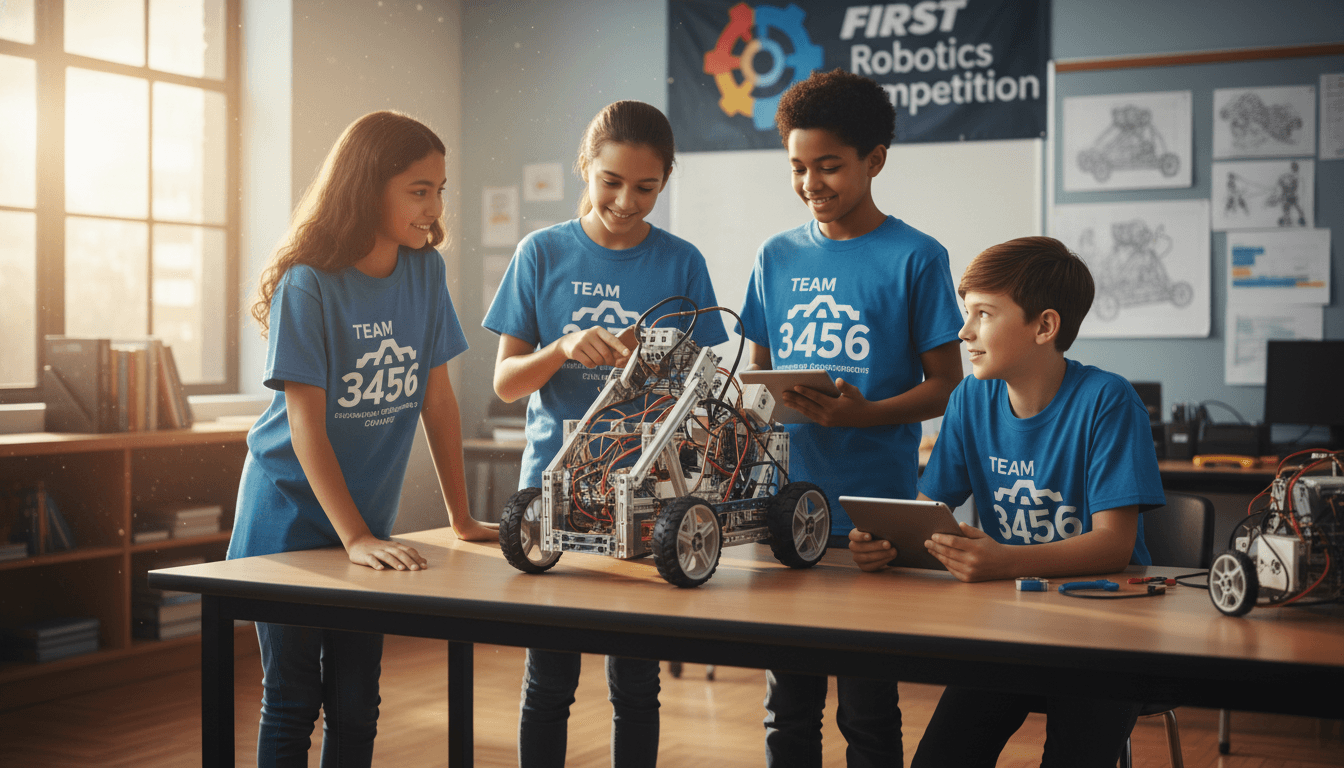
Middle School Robotics Newsletter: Communicating the Program to Families
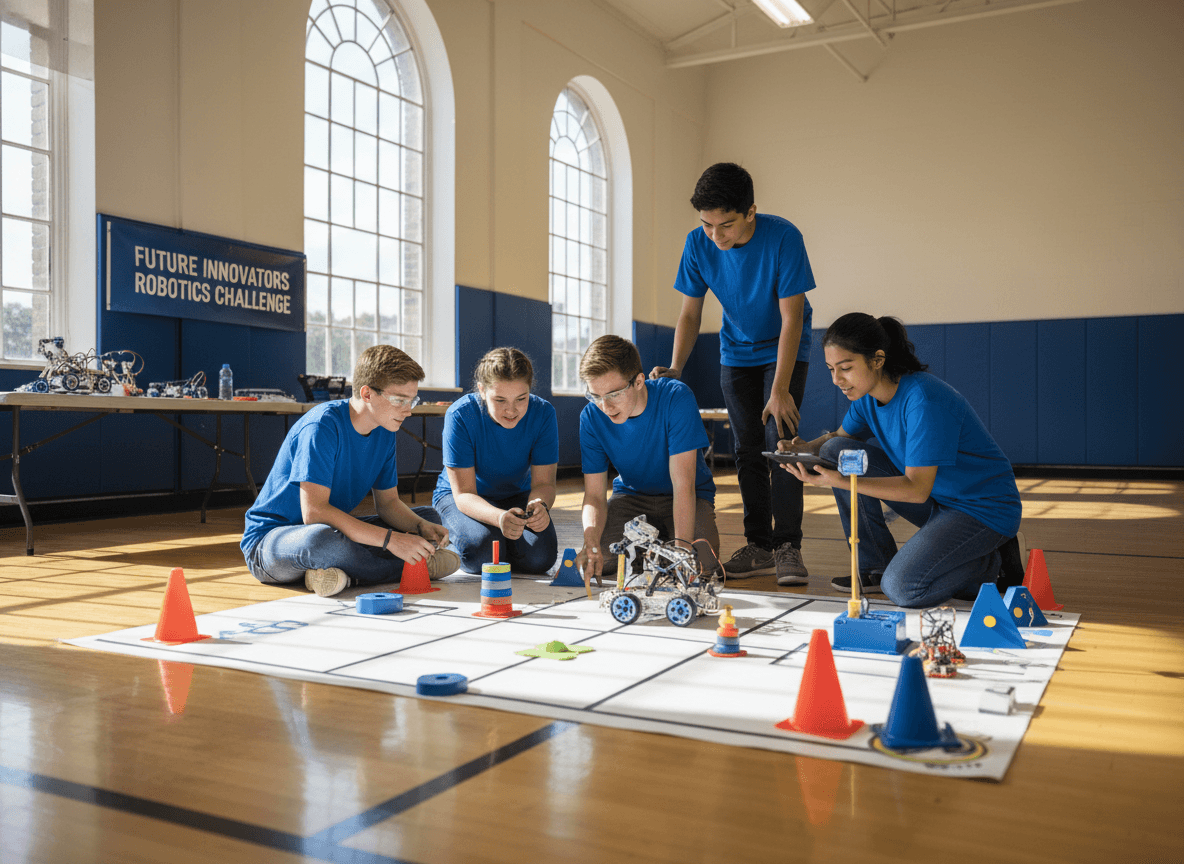
Middle school robotics programs generate genuine excitement in students, but families often have only a partial picture of what the team actually does. They know there is a robot and some kind of competition. They do not always know about the research component, the engineering design cycle, the time commitment, or what their student is learning that connects to future academic and career pathways.
A well-written robotics newsletter fills in that picture, keeps families engaged across a long season, and makes it easier to recruit new members each year. This guide walks through what to include and how to structure it.
Explain the League or Program Your School Participates In
Not all robotics programs are the same, and families who have not been involved before will not know the difference between FIRST Lego League, VEX IQ, VEX Robotics Competition, FIRST Tech Challenge, or any other league your school uses. Start by naming the program and describing it briefly.
A one-paragraph description of the league tells families what the competition involves, roughly how large the organization is, and what distinguishes it from other programs. If the league has a broader mission (FIRST's "More Than Robots" philosophy, for example) and your team takes that seriously, mention it. Families who understand the context are better supporters.
Describe What Students Learn and Do
The word "robotics" covers a lot of ground. Give families a specific picture of what students do during practice sessions and over the course of the season.
Break it down by phase: in the early weeks, students learn about the season's challenge and begin designing their robot. In the middle weeks, they build, test, and iterate on the mechanical design while also coding the robot's autonomous functions. As the season progresses, they practice driving, refine their robot game strategy, and if the league requires it, develop and present a research project on a real-world problem related to the season's theme.
Connecting each phase to skills families value (engineering design, programming, public speaking, project management, teamwork) makes the program feel substantive rather than just a fun extracurricular.
Cover the Competition Schedule
Families need the calendar early. List every competition the team plans to attend with dates, location, and start time. Note whether parent attendance is welcome or encouraged and whether students need rides to off-campus events.
If your league has a qualifier and championship structure, explain how that works. Families who understand that a strong performance at the qualifier leads to a championship invitation are more invested in the early events and more likely to arrange schedules around them.
Also list the total weekly time commitment during practice season. Middle school families juggle multiple activities, and a clear picture of the commitment helps them make a realistic decision about whether and how much their student can participate.
Explain How Students Join the Team
If your team is recruiting, include clear instructions for how interested students sign up. Explain whether participation is open enrollment or competitive, and if competitive, what the selection is based on. List the deadline for expressing interest and where to submit it.
If the team is full, tell families how to stay on a waitlist or how to get involved next year. Interested families who hit a dead end without a path forward are less likely to come back.
Describe the Costs and Fundraising Needs
Robotics programs have real costs: competition registration fees, travel, parts, and team materials. Families should know about financial expectations before committing. Be transparent about whether there is a participation fee, whether scholarships or waivers are available, and whether fundraising is expected from team members or families.
If the team is running a fundraiser, describe it here and provide clear instructions for how families can help. Families who feel financially informed are less likely to be surprised or resentful later.
Share What Parent Support Looks Like
Robotics teams often need parent volunteers for roles that do not require any technical knowledge: driving students to competitions, helping with meals on competition days, coordinating fundraising, or managing the team's social media presence. Name the specific roles available and tell families how to sign up.
Also describe how parents can support their student at home without taking over the work. The best thing most parents can do is ask curious questions about what the student is building and why, and celebrate the process rather than just the competition results.
Close With How to Stay Informed
Let families know how the team will communicate throughout the season: newsletter updates, a team website, a calendar link, or a group messaging app. Give them the contact for the coach or advisor and tell them how quickly to expect a response to questions.
Families who feel connected to what is happening are more enthusiastic supporters and more patient when the season has its inevitable bumps.
Get one newsletter idea every week.
Free. For teachers. No spam.
Frequently asked questions
When should the robotics team send a newsletter to families?
Send an introductory newsletter at the start of the season or school year before tryouts or open enrollment begin. Follow up with a newsletter when the season's challenge is released, another before the first competition, and a final one after the season ends to celebrate results and introduce next year's opportunity. Families who are informed throughout the season are more engaged chaperones, drivers, and fundraising supporters.
What should a robotics newsletter include about the competition format?
Name the competition league (FIRST Lego League, VEX IQ, FIRST Tech Challenge, etc.) and briefly describe what that league involves. Explain whether competitions are scored, judged, or both. List the competitions the team plans to attend, their dates, locations, and approximate time commitments for students and any needed parent drivers or chaperones. Families who understand the competition structure can plan their schedules and commitment levels appropriately.
How do I explain what students actually learn in robotics?
Connect robotics skills to specific disciplines: engineering and mechanical design when building, programming and logic when coding the robot, project management when dividing tasks and meeting deadlines, and teamwork and communication throughout. If your league has a research project component (as FIRST Lego League does), mention that students also practice presenting their findings to judges. This framing helps families see robotics as academically and professionally valuable, not just a fun activity.
What does the tryout or sign-up process look like, and should the newsletter explain it?
Yes. Families and students who are interested need clear instructions. Describe whether participation is open to all interested students or whether there is a selection process. If there are tryouts, explain what they assess and when they are held. If slots are limited, give a clear deadline for expressing interest. Ambiguity about the process discourages families who are on the fence from pursuing it.
What newsletter tool works best for robotics team communication?
Daystage works well for robotics newsletters because you can include images from build sessions and competitions, link to the team's schedule or registration form, and send directly to the families of team members. If you want to reach all middle school families to recruit new members, you can send a broader newsletter through your school account and use the same platform to send more detailed updates to the families of current team members.

Adi Ackerman
Author
Adi Ackerman is a former classroom teacher and curriculum writer with 8 years in K-8 schools. She writes about school communication, parent engagement, and what actually works in real classrooms.
More for Middle School
Ready to send your first newsletter?
3 newsletters free. No credit card. First one ready in under 5 minutes.
Get started free