
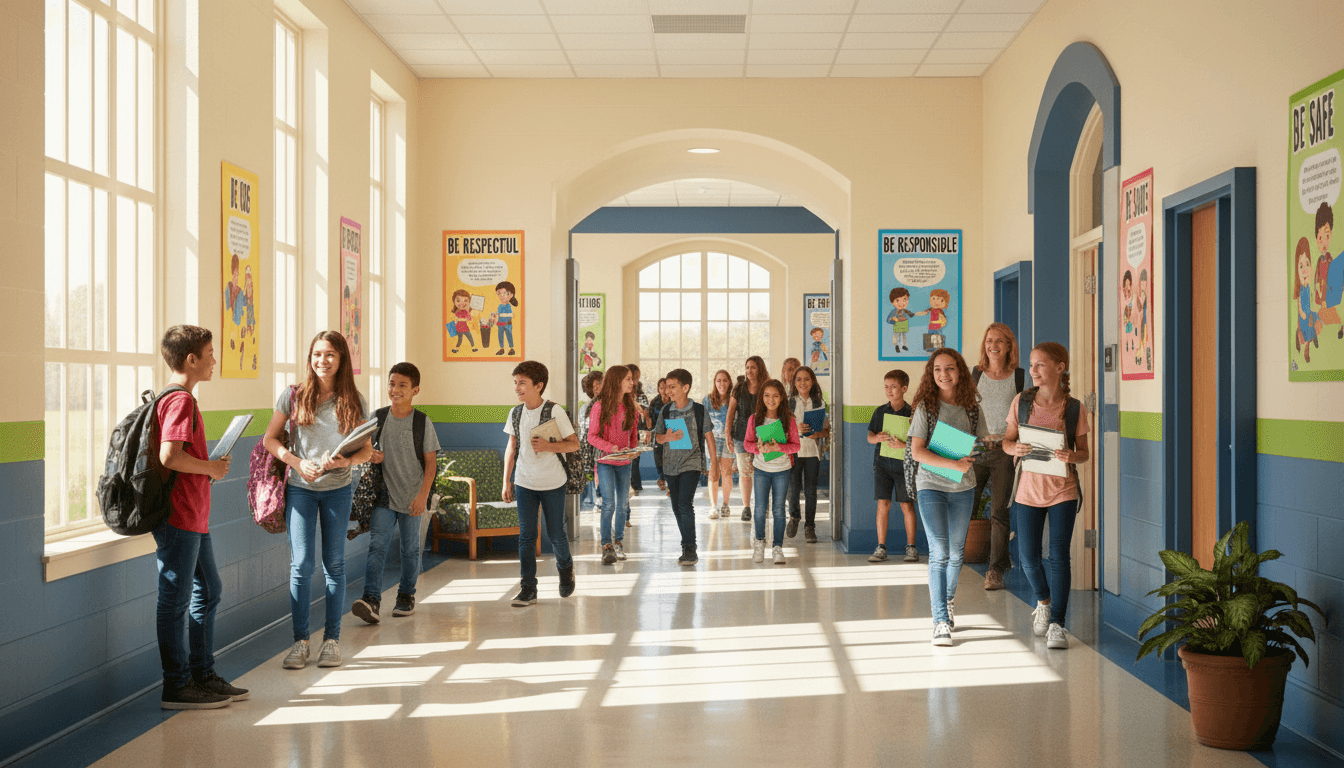
Middle School PBIS Newsletter: Explaining the Program to Families
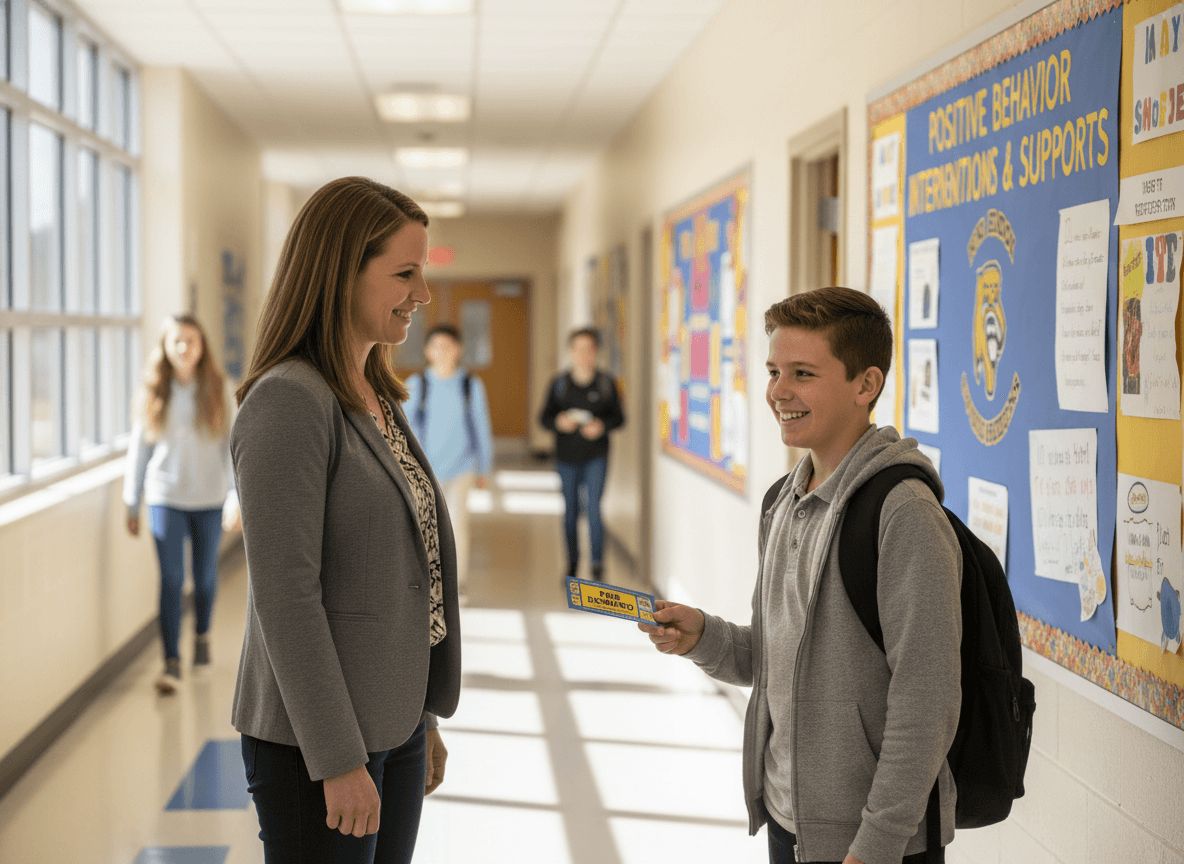
When a school launches PBIS, families often hear about it second-hand through their students, which means they hear about the points and prizes before they hear about the purpose. A well-written PBIS newsletter fixes that sequence. It explains the program on the school's terms, sets expectations at home, and gives families the vocabulary they need to reinforce what students are learning at school.
This guide covers what to include in a middle school PBIS newsletter, how to explain the program clearly without jargon, and how to make the family role feel accessible rather than prescriptive.
Start With What PBIS Actually Is
Most families have not heard the term "Positive Behavioral Interventions and Supports" before their student's school adopts it. Before explaining how your school's program works, explain what the approach is at its core.
A simple one-paragraph explanation works well: PBIS is a school-wide approach to teaching students the behaviors that help them succeed. Instead of only responding to problems, the school proactively teaches what respectful, responsible, and safe behavior looks like in each school setting, and then acknowledges students when they demonstrate those behaviors. The goal is a school culture where expectations are clear and consistent for every student.
This framing helps families understand that PBIS is about building skills, not just managing behavior. That distinction matters because it changes how families talk to their students about it.
Explain the School-Wide Expectations
Every PBIS school has a set of three to five school-wide expectations, usually written as short positive statements. Share yours in the newsletter and explain what they mean in practice.
If your school uses a behavior matrix that shows what each expectation looks like in different settings (classroom, hallway, cafeteria, bathroom), include a simplified version or link to the full one on your school website. Families who can see the expectations in context understand them much better than families who only see the one-line statements.
Describe How Acknowledgment Works
The acknowledgment system is usually what students tell their families about first. Explain it clearly so families hear the full picture rather than just "we get tickets for being good."
Name what your school calls the acknowledgment tokens (PRIDE tickets, Dragon Dollars, Hawk Bucks, or whatever your school has chosen). Explain what students earn them for, who gives them out, and how students keep track of them. Then explain how redemption works: when students can spend them, what they can get, and whether there are any limits.
Be clear that the acknowledgment system is one part of PBIS, not the whole thing. Families who understand the bigger picture are less likely to dismiss the program as "just bribing kids."
Address Middle School-Specific Considerations
PBIS looks different in middle school than in elementary school, and families who have older students know this. Middle schoolers can be skeptical of reward systems they associate with younger grades. Acknowledge this directly.
Explain how your school has adapted the program for middle schoolers. That might mean student-run PBIS stores, student voice in deciding what rewards are available, or public recognition at school events rather than individual ticket transactions. When families see that the program takes their student's age seriously, they are more likely to take it seriously themselves.
Tell Families What Happens When Behavior Expectations Are Not Met
PBIS is often described as a positive approach, which can leave families wondering what happens when students do not meet expectations. Address this clearly in the newsletter.
PBIS schools still use consequences for behavior that violates school rules. The difference is that consequences are paired with re-teaching, and the school tracks data to identify students who need additional support rather than waiting for a serious incident. Briefly describing this process helps families understand that PBIS is not about ignoring problems.
Give Families a Role at Home
One of the most valuable things a PBIS newsletter can do is give families something concrete to do with the information. This does not need to be complicated.
Ask families to learn the school-wide expectations and use the same language at home. If your school expects students to "Be Responsible," families can use that phrase when they see their student handling something independently. The consistency reinforces the message across settings.
You can also invite families to ask their students which expectation they earned an acknowledgment for this week. That question opens a conversation and signals to the student that families and school are working together.
Share Data if You Have It
If your school has been using PBIS for more than one year, share outcome data in the newsletter. Reductions in office referrals, improvements in attendance, or survey data on school climate are all meaningful to families. Numbers make the program feel real rather than theoretical.
If you are launching PBIS for the first time, tell families what data you plan to track and when you will share results. Committing to transparency up front builds trust and gives families a reason to follow future newsletters.
Invite Questions and Feedback
PBIS is a school-wide initiative, and families who feel like partners in it behave differently than families who feel like recipients of a policy announcement. Close the newsletter by inviting families to reach out with questions, and by letting them know there will be future updates as the program develops this year.
A short, direct sentence works well: "If you have questions about how PBIS works at our school or how you can support your student at home, reach out to your student's advisory teacher or to the main office." That is enough to keep the door open without overcommitting.
Get one newsletter idea every week.
Free. For teachers. No spam.
Frequently asked questions
When should the school send a PBIS newsletter?
The best time is at the start of the school year before the program has officially launched, so families understand what to expect before they start hearing about it from their student. A follow-up newsletter mid-year works well to share data, celebrate progress, and re-explain any changes made based on how the first semester went.
How do I explain PBIS without making it sound like a bribe system?
Focus on the skill-building side of PBIS rather than the prizes. Explain that the program teaches students to recognize what responsible, respectful, and safe behavior looks like in different school settings: the hallway is different from the classroom, which is different from the cafeteria. Acknowledgment systems are one tool, not the whole program. Families understand this framing much better than 'students earn points for good behavior.'
What should a PBIS newsletter include about the reward system?
Name the acknowledgment tokens or points system your school uses. Describe what students can earn them for and how they redeem them. Be specific: 'Students can earn Spirit Tickets in any class or in the hallway when they demonstrate one of our three school-wide expectations. Tickets can be redeemed at the PBIS store on Fridays for items like homework passes, snacks, and school supplies.' Vague descriptions leave families guessing.
How can families reinforce PBIS expectations at home?
Share the three to five school-wide expectations (often something like Be Respectful, Be Responsible, Be Safe) and encourage families to use the same language at home when they see those behaviors. If your school has a specific matrix showing what expectations look like in each setting, include a simplified version. When families use the same vocabulary, students hear a consistent message across contexts.
What newsletter tool works best for communicating PBIS to middle school families?
Daystage makes it easy to build a structured PBIS newsletter with clear sections for each part of the program. You can include images of expectation posters, link to the PBIS family guide on your school website, and send directly to all families on your roster. Because Daystage newsletters arrive as real emails rather than links to a shared folder, families are more likely to actually read them.

Adi Ackerman
Author
Adi Ackerman is a former classroom teacher and curriculum writer with 8 years in K-8 schools. She writes about school communication, parent engagement, and what actually works in real classrooms.
More for Middle School
Middle School Advisory Newsletter: Communicating What Homeroom and Advisory Does for Students
Middle School · 5 min read
8th Grade Behavior Newsletter to Parents: Communicating with Families of 8th Graders Honestly and Constructively
Middle School · 7 min read
Middle School Back-to-School Newsletter: What Families Need to Know Before Day One
Middle School · 7 min read
Ready to send your first newsletter?
3 newsletters free. No credit card. First one ready in under 5 minutes.
Get started free