

Middle School Electives Newsletter: Communicating Course Options, Sign-Ups, and Value to Families
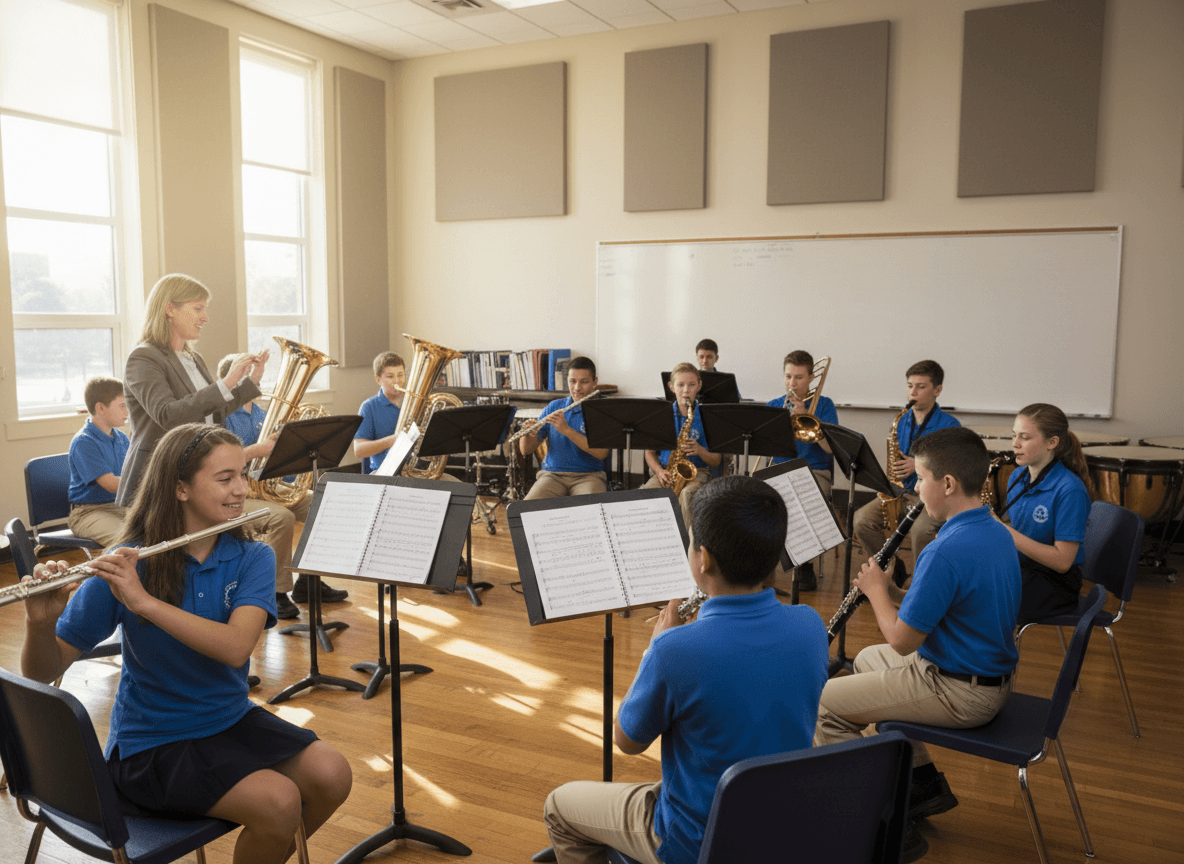
Electives are one of the most important decisions a middle schooler makes each year. They determine where the student spends a significant portion of their school day, which teachers they build relationships with, and often which students they spend unstructured time with. Yet many families go into the elective selection process with very little information about what the options actually involve.
The newsletter is your best opportunity to change that. A well-crafted electives newsletter gives families a real understanding of what is available, how to navigate the selection process, and why electives matter for their student's development beyond the core academic schedule.
Describing Each Elective Clearly
The most common mistake in electives communication is listing course names without descriptions. "Art," "Band," "Technology," and "Drama" tell families almost nothing. A family that has never been in your school cannot picture what a seventh-grade band class looks like, how difficult it is to start without prior experience, whether the art room uses digital tools or traditional media, or what the difference is between technology and computer science.
Write a short paragraph for each elective that describes the actual experience: what students do in the class, what they will have created or learned by the end of the semester or year, whether the class is open to beginners or requires prior experience, and whether there are any materials, fees, or performances families should know about. Two to four sentences per elective is enough. The goal is to give families a realistic picture, not a sales pitch.
Explaining the Educational Value of Electives
Some families, particularly those whose students are performing below grade level in core academic subjects, view electives as a luxury. They may push for a study hall or remediation period instead of art or music. Addressing this in the newsletter directly and without condescension is worth doing.
Music education consistently shows connections to stronger reading and mathematical reasoning. Art develops visual-spatial skills and the kind of iterative problem-solving that transfers to academic work. Drama builds public speaking, empathy, and collaboration skills that show up in classroom performance. Technology and making-focused electives develop persistence and creative problem-solving. When you articulate these connections explicitly, families who might otherwise dismiss electives as less serious start to see them differently.
Walking Families Through the Sign-Up Process
Include a step-by-step description of exactly how elective selection works. What form or system does the school use? Is there a portal login involved? Do students submit their own preferences, or do families submit them? What is the deadline? What happens if a student does not submit preferences? How many choices should students rank?
Every question you answer in the newsletter is a question you do not have to answer individually by email or phone. Families with students in multiple grades or who are new to the school benefit especially from detailed logistics. Do not assume families know how the process works even if you have communicated it before. New families join every year, and returning families forget details from one year to the next.
What Happens When Demand Exceeds Capacity
If some electives are consistently oversubscribed, explain how placement works before families submit their preferences. Is it first-come, first-served? Is it by lottery? Does the school prioritize students who have never had a particular elective before? Knowing this in advance helps families make realistic choices rather than only ranking their top option without thinking through alternatives.
Include information about wait lists and what the process looks like if a student wants to change electives after the selection period. Families who encounter a disappointing outcome are much easier to work with when they understood the process going in. Transparency about limitations communicates that the school is fair, not that the system is broken.
Connecting Electives to Student Identity and Well-Being
Middle school is the developmental period when students are most actively exploring who they are. Electives give students an identity outside of their academic performance. A student who struggles in math might discover that they are genuinely skilled in ceramics or percussion. That identity matters for how they feel about school, how they show up socially, and how much they want to be there.
Write about this in the newsletter not as a feel-good addition but as a substantive reason for taking elective selection seriously. The elective a student chooses is not just a class. It is a community, a skill, and a place in the school where they are known for something they are good at. Helping families understand that makes the choice feel more meaningful and less like an administrative checkbox.
Addressing Common Family Concerns
A few concerns come up reliably every year. Families worry about whether an elective will count toward high school placement. They wonder if starting an instrument in middle school is "too late." They ask whether art or drama is really worth a full elective period. Address each of these briefly in the newsletter so that the individual questions you receive are fewer and the answers are already in writing.
If your school has a formal answer to any of these questions, state it plainly. If your counselors are available to discuss specific situations, include their contact information. The electives newsletter that addresses real family concerns rather than only promoting the program is the one that builds trust and gets read in full.
Elective Showcases and Open Houses
If your school holds an elective showcase, a curriculum night, or any event where families can see the programs in action, promote it prominently in the newsletter. Families who see the band perform, watch a drama rehearsal, or walk through a student art show are far more invested in elective quality than those who only read a description. These events are some of the most effective enrollment drivers you have, and the newsletter is the right place to announce and promote them.
Get one newsletter idea every week.
Free. For teachers. No spam.
Frequently asked questions
When should I send an electives newsletter to families?
Send the initial electives newsletter three to four weeks before the sign-up window opens. This gives families time to review the options with their student, ask questions, and attend any elective showcase or open house you hold. A follow-up reminder one week before the deadline ensures families who missed the first newsletter still have time to complete the process. For schools where elective selection happens annually or each semester, build a predictable timeline so families know when to expect communication.
How do I explain the value of electives to families who prioritize academic subjects?
Connect electives to outcomes families already care about. Art develops visual-spatial reasoning and fine motor skills. Music education is associated with stronger performance in math and reading. Drama builds public speaking and collaboration skills that transfer to every academic context. Technology and coding electives build problem-solving skills that are directly relevant to many career paths. Frame electives not as extras but as a complementary part of a well-rounded education that develops skills core subjects cannot address alone.
What should I do if elective spots are limited and families do not get their first choice?
Address this in the newsletter before it becomes a problem. Explain how placement decisions are made if demand exceeds capacity, what the appeals or wait-list process looks like, and how students who do not get their first choice will be supported. Families who understand the process before they experience a disappointing placement are significantly easier to work with than families who feel blindsided. Transparency about limitations builds more trust than pretending the problem does not exist.
Should the newsletter describe each elective in detail, or just list the options?
Descriptions matter. A plain list of elective names gives families almost no information. A brief paragraph for each elective that describes what students actually do, what skills they develop, what the format of the class looks like, and whether there are any prerequisites or materials required gives families enough to make an informed choice. If space is limited, use a linked electives guide rather than cutting the descriptions. Families who feel informed make better choices and have fewer questions afterward.
How does Daystage help schools communicate elective options to families?
Daystage lets schools build a visually clear newsletter that presents each elective with a short description, image, and key details in a scannable format. Families can read it on their phone and share it with their student before the selection deadline. The consistent newsletter format also makes it easy to reference the same document in follow-up reminder messages so families can find the information without having to search through old emails.

Adi Ackerman
Author
Adi Ackerman is a former classroom teacher and curriculum writer with 8 years in K-8 schools. She writes about school communication, parent engagement, and what actually works in real classrooms.
More for Middle School
Middle School Exploratory Newsletter: Explaining Wheel and Exploratory Classes to Parents
Middle School · 5 min read
Middle School Advisory Newsletter: Communicating What Homeroom and Advisory Does for Students
Middle School · 5 min read
Middle School Awards Newsletter: What to Tell Families About Recognition Ceremonies and Award Criteria
Middle School · 5 min read
Ready to send your first newsletter?
3 newsletters free. No credit card. First one ready in under 5 minutes.
Get started free