
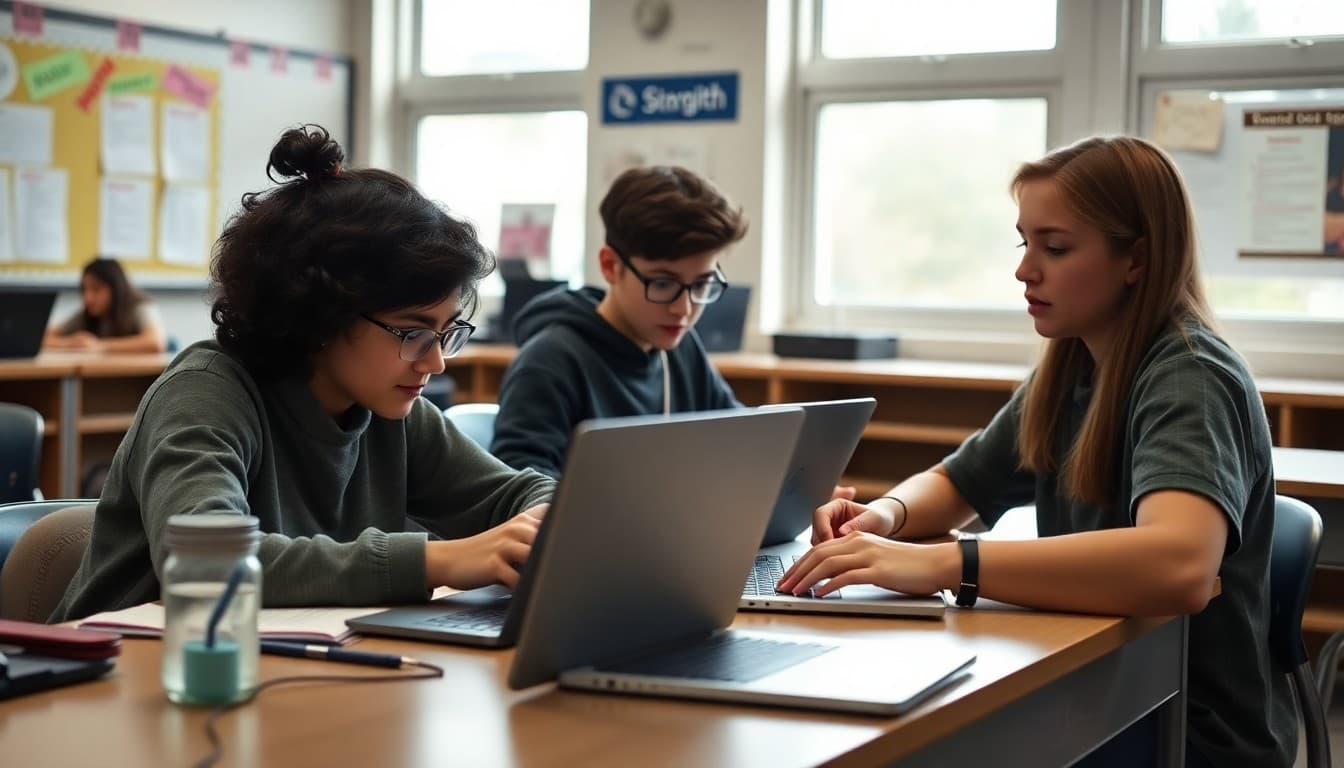
Journalism Middle School Newsletter: Learning Updates for Parents
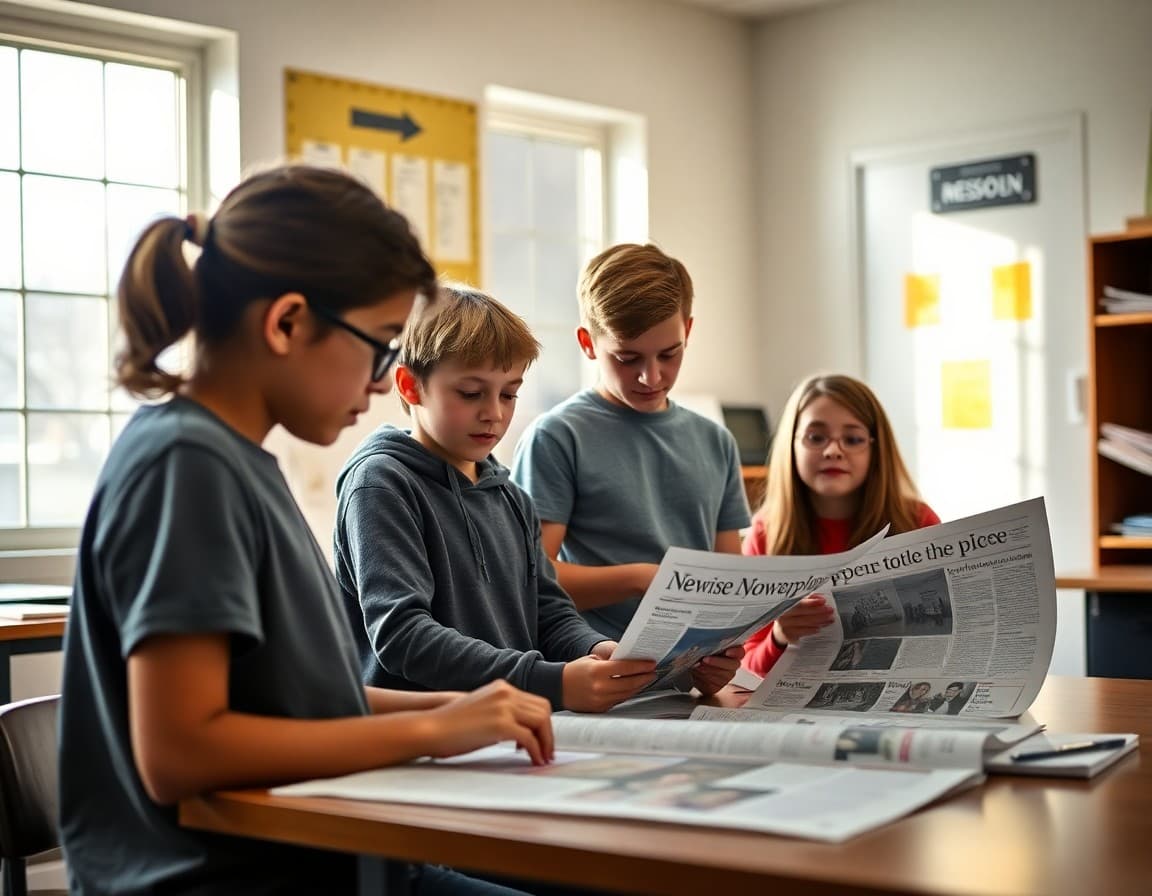
Journalism class is one of the few middle school courses where students produce something real: articles that will be read by their school community, not just a teacher. That real audience changes everything about how students approach their work. The pressure to be accurate because readers will notice. The discipline to be concise because no one reads a rambling article. The care required to be fair because people's reputations are involved. A newsletter that helps families understand what that experience looks like gives them a meaningful way to engage with it.
Share What Students Are Currently Producing
Your newsletter should name the current project or publication cycle. Students are reporting on this year's school play for the next issue. Students are producing a podcast episode on a school community issue. Students are writing feature stories about teachers or staff. Naming the specific project makes the newsletter concrete and gives families a hook for conversation at home.
Explain News Writing Structure
Many families assume journalism is about creative expression. Your newsletter can explain the discipline of news writing:
"News articles are written in the inverted pyramid structure: the most important information comes first (who, what, when, where, why), followed by supporting details, ending with background. This is different from essay writing, where the point builds toward a conclusion. Students learn this structure because it requires them to identify what is most important before they write a single word. That skill, identifying the most important information in a complex situation, is one of the most transferable things students learn in journalism class."
Cover Media Literacy Directly
Journalism class is also media literacy class. Students who learn to produce journalism become better consumers of it because they know how reporting works from the inside. Your newsletter can explain what media literacy concepts you are teaching: the difference between news reporting and opinion. How to identify the sources behind a story. What bias in reporting looks like and how it happens. How to verify a claim before sharing it. Families who reinforce these habits at home raise students who think critically about everything they read.
Address the Interview Skill
Interviewing is one of the most underrated skills journalism teaches. Students learn to prepare questions in advance, listen actively to answers rather than just waiting to ask the next question, follow up on interesting responses, and treat the person they are interviewing with respect. These are professional skills that appear in every context where people need to gather information from others. Tell families this is part of what their child is learning and why it matters beyond journalism.
Discuss the Ethics of Publishing
Middle school journalists face genuine ethical decisions. Your newsletter can acknowledge this: "Students are learning that publishing has consequences. Before we publish anything about a person, we ask: is it accurate? Is it fair? Does it serve the reader? Is there anything the subject of the story should know before it is published? These are the same questions professional journalists ask, and middle school journalists need to develop the habit of asking them too."
Invite Families to Read the Publication
If your class produces a physical newspaper, a website, or a podcast, tell families how to find it. Student journalists work harder when they know people are reading. A parent who mentions they read a specific article their child wrote or edited is giving that student a form of validation that no classroom grade can replicate.
Share a Headline or Excerpt
If possible, include a headline or excerpt from the most recent student publication in your newsletter. It is the most compelling evidence of what students are capable of and makes the abstract skill-building visible. A single strong headline by a seventh-grader, published and read by the school community, is worth three newsletter paragraphs about what journalism teaches.
End With a Media Literacy Challenge
Close your newsletter with a family media literacy challenge for the week: find one news story and one opinion piece on the same topic. Discuss the difference with your child. Ask which is more reliable and why. What perspective is each author writing from? What facts would you need to verify before sharing either? Daystage makes it easy to include a focused challenge like this at the bottom of every journalism class newsletter, and families who do it consistently raise students who read media differently.
Get one newsletter idea every week.
Free. For teachers. No spam.
Frequently asked questions
What skills does middle school journalism class develop?
Journalism class develops research and interview skills, news writing techniques (inverted pyramid structure, clear and concise language), editing and revision habits, ethical decision-making about publishing, media literacy and source evaluation, layout and design for print and digital publications, and the ability to write for a real audience with real consequences. These are practical communication skills that transfer across subjects and careers.
What is the inverted pyramid structure and why does it matter?
The inverted pyramid is a news writing structure where the most important information comes first, followed by supporting details, and ending with background. This structure serves readers who may not finish the article and ensures the most critical facts are communicated even in a partial read. Middle school journalists learn to write this way because it trains them to identify what is most important rather than building toward a conclusion.
How can families support a middle school journalist at home?
Read news articles together and discuss what makes them effective or ineffective. Ask your child to explain the difference between a news story and an opinion piece. Encourage them to share what they are working on and ask whether their story is balanced. Discuss media literacy: how can you tell whether a source is reliable? Who funded this article? What perspectives are missing? These conversations reinforce what students are learning.
What ethical questions come up in middle school journalism?
Student journalists face real ethical decisions: what is fair to publish about a classmate, how to report on a controversial school issue without being unfair, how to verify information before publishing it, and how to protect sources who share sensitive information. These questions are handled in the classroom, but families who understand that these issues are part of the curriculum can discuss them at home as well.
What tool makes journalism class newsletters easy to send to middle school families?
Daystage works well for journalism newsletters because you can include links to student publications, information about current reporting projects, and media literacy resources all in one format that families can follow throughout the year.

Adi Ackerman
Author
Adi Ackerman is a former classroom teacher and curriculum writer with 8 years in K-8 schools. She writes about school communication, parent engagement, and what actually works in real classrooms.
More for Middle School
Ready to send your first newsletter?
3 newsletters free. No credit card. First one ready in under 5 minutes.
Get started free