

Debate Middle School Newsletter: Learning Updates for Parents
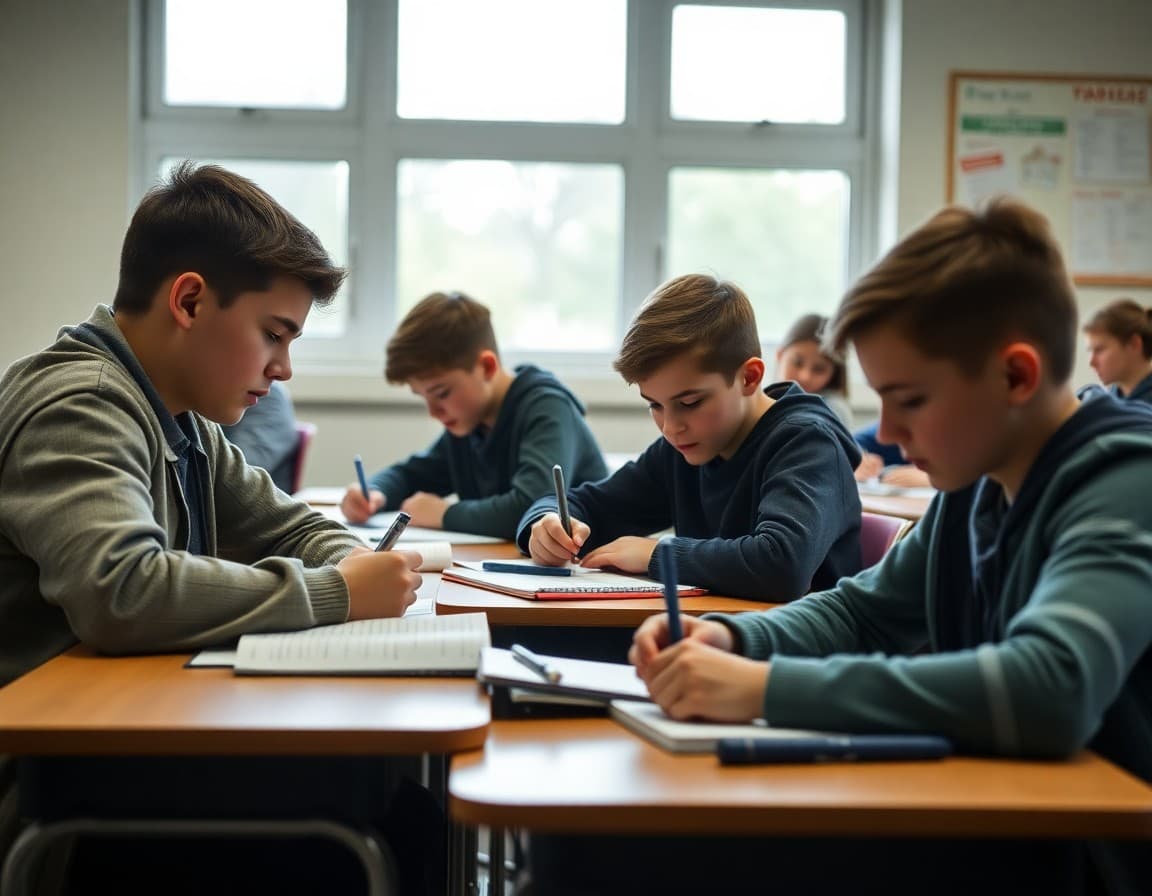
Debate class teaches students something that almost no other middle school class does: how to build an argument that holds up under direct challenge. Not an opinion. Not a preference. A structured claim supported by evidence and connected by reasoning. Students who develop this skill are better writers, more critical readers, and more effective communicators in every setting they will enter. A newsletter that helps families understand and support this process is worth the time it takes to write.
Explain the Current Debate Resolution
Tell families the specific resolution students are debating. "This month students are debating the resolution: Resolved, that the United States should implement a universal basic income." Or a policy debate, a values debate, or a fact-based debate about a current issue. Give families the resolution so they can ask their child about it at home and understand what research and preparation their child is doing.
Walk Through the Debate Format
Many families have never watched a formal debate and do not know the structure. Your newsletter can briefly explain: each side has a set time for constructive arguments, then cross-examination questions from the opposing side, then rebuttal time to address what the other side said. The goal is to win based on the quality of arguments and evidence, not on how loudly or confidently you speak. Understanding the format helps families ask better questions when their child comes home from practice.
Give Families a Practice Exercise
Here is a concrete home activity worth including:
"Family debate practice: pick any low-stakes question at dinner. Should the family get a dog? Should screen time be limited on weekdays? Should the family vacation go to the mountains or the beach? Ask your child to make a formal argument for one side: one claim, two pieces of supporting evidence, and an explanation of why the evidence proves the claim. Then ask one challenging question. That five-minute exercise is the exact structure your child practices in debate class every day."
Explain Why Arguing Both Sides Is Valuable
Students in debate class are often required to argue sides they personally disagree with. Some families push back on this. Your newsletter can explain why it matters: understanding the strongest version of an opposing argument is essential to refuting it well. A debater who only prepares their own side is unprepared for what the other team will argue. More broadly, the ability to understand a position you disagree with is one of the most important skills in civic and professional life. Middle school is a good time to start developing it.
Talk About Evidence Quality
Debate requires students to evaluate evidence, not just find it. Your newsletter can explain what makes evidence strong: a recent, credible source with a clear method, applied to a question that is genuinely related to the claim. Evidence from a reputable think tank, peer-reviewed research, or government data is stronger than a single news article or an anecdote. This is a skill that applies to every research task students will do for the rest of their lives.
Address Public Speaking Anxiety
Many students are anxious about speaking in front of others. Debate class addresses this through consistent repetition in a structured, predictable format. Your newsletter can reassure families that most students become significantly more comfortable speaking by midseason. Families can help by encouraging their child to practice speaking their arguments out loud at home, even to a mirror or a pet. Oral practice is what reduces anxiety, not additional preparation done silently.
Share Tournament or Competition Information
If your class participates in tournaments or competitions, tell families when they are, whether families can attend, and what to expect. Families who attend a debate tournament are often genuinely impressed by what their middle schooler can do. That audience also motivates students differently than classroom practice.
Close With the Long-Term Payoff
End by naming the skills debate develops that will follow students beyond middle school. The ability to build a structured argument with evidence. The capacity to listen, identify the core of an opposing claim, and respond to it. The habit of preparing thoroughly before speaking. The confidence to present a position clearly and calmly when challenged. Daystage makes it easy to close your debate newsletter with a section that connects current practice to long-term capability in a way that motivates families to stay engaged all season.
Get one newsletter idea every week.
Free. For teachers. No spam.
Frequently asked questions
What skills does middle school debate class develop?
Debate develops argumentation, research skills, listening comprehension, public speaking, logical reasoning, evidence evaluation, and the ability to understand and respond to positions different from your own. Students learn to construct an argument with a claim, supporting evidence, and reasoning that connects the two. These skills transfer directly to academic writing, critical reading, and professional communication.
How is competitive debate different from an argument?
Competitive debate operates with specific rules about structure, timing, evidence use, and the types of arguments that are permitted. It requires students to prepare arguments for both sides of a resolution, to listen carefully to what the opposing team says, and to respond specifically to those arguments rather than repeating their own points. An argument at home is a conflict. A debate is a structured intellectual exercise.
What should families know about how to support a middle school debater?
Help students practice articulating their arguments out loud. Ask them to explain both sides of the current debate resolution to you. Challenge them to defend their position when you ask a skeptical question. Watch a debate together and analyze the techniques you observe. Students who practice arguing both sides develop more flexible thinking than students who only prepare the side they agree with.
How should families react when their child argues a position they do not personally agree with?
Debate requires students to argue assigned sides, not their personal beliefs. A student who is assigned the negative side of a resolution they personally support is developing exactly the perspective-taking skill that debate is designed to build. Families who support their child in this process rather than pushing back on the assigned position give their child a significant advantage in debate class and in life.
What tool helps communicate debate class updates and tournament information to middle school families?
Daystage works well for debate newsletters because you can share the current resolution, preparation tips, tournament schedule, and what families can do at home in one format that stays accessible throughout the unit or season.

Adi Ackerman
Author
Adi Ackerman is a former classroom teacher and curriculum writer with 8 years in K-8 schools. She writes about school communication, parent engagement, and what actually works in real classrooms.
More for Middle School
Ready to send your first newsletter?
3 newsletters free. No credit card. First one ready in under 5 minutes.
Get started free