
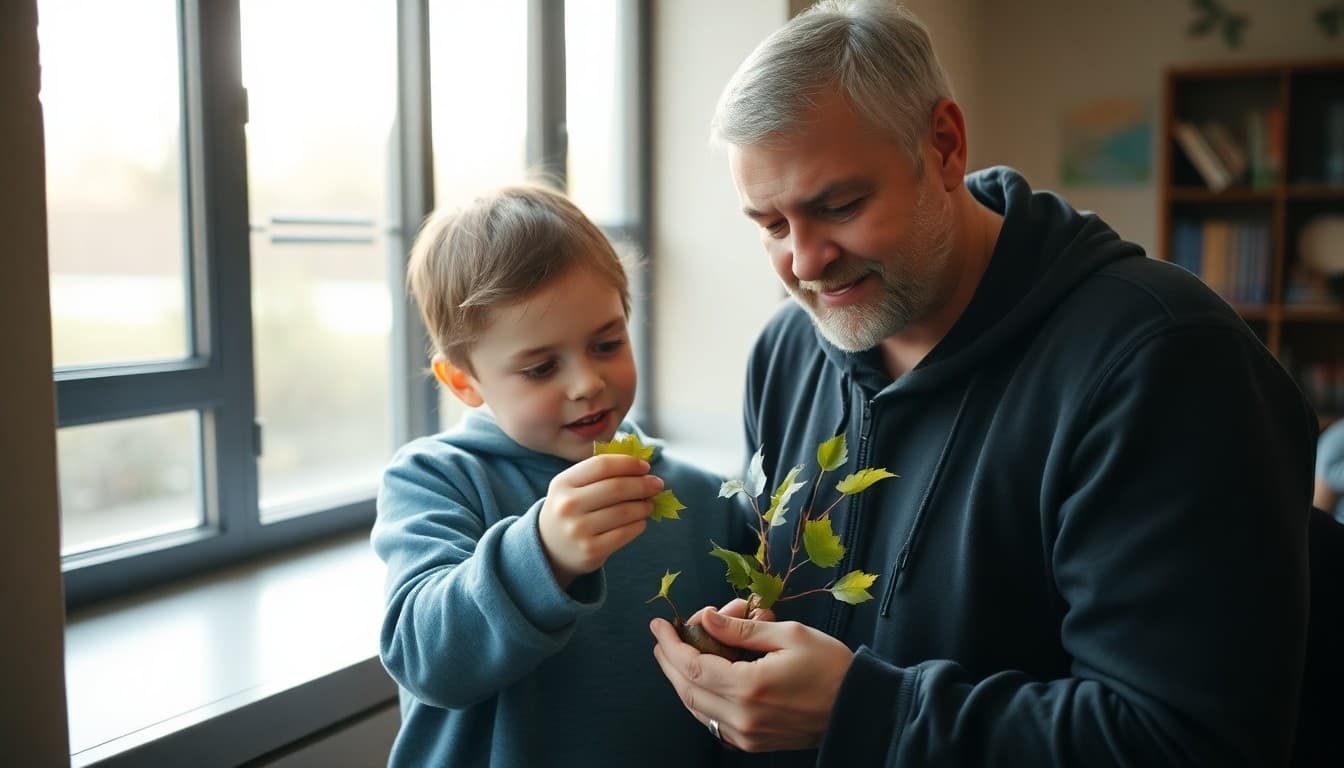
Environmental Science: How Parents Can Help at Home (Middle School)
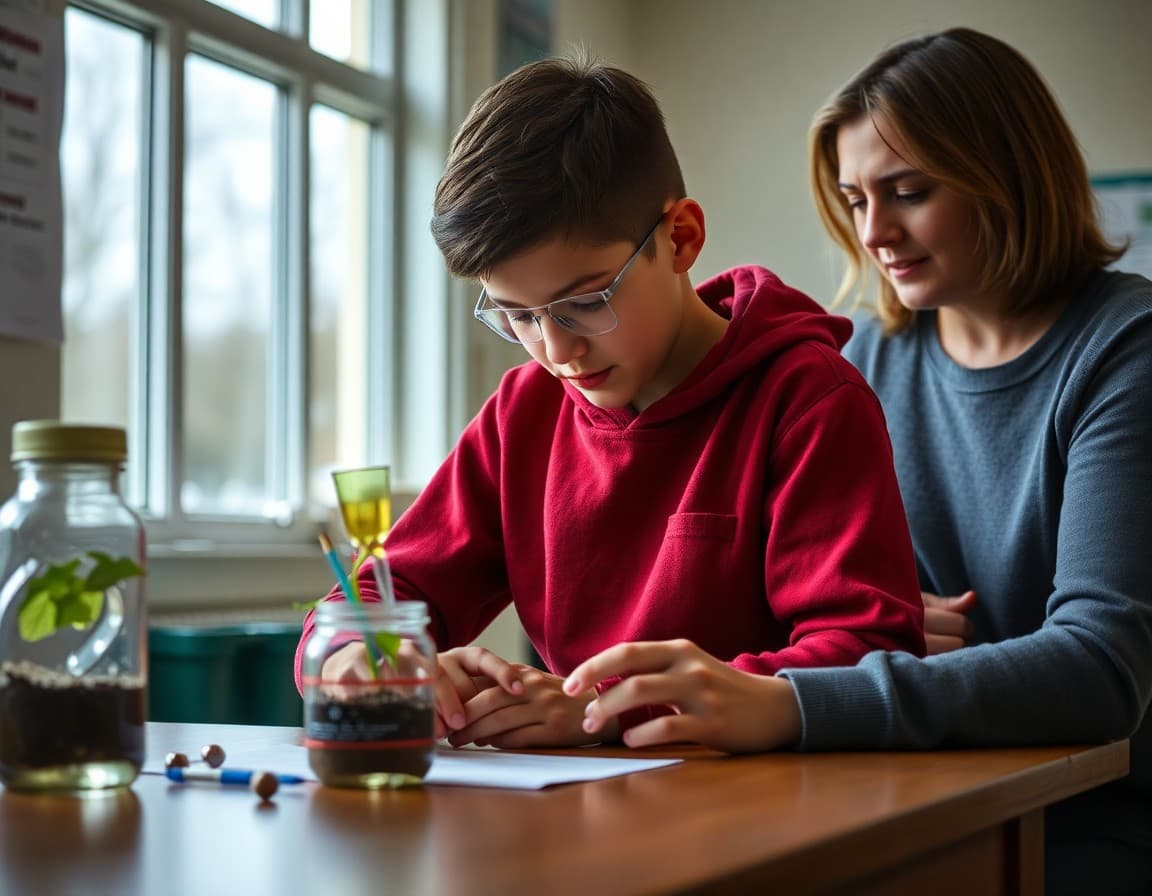
Most parents want to support their middle schooler in environmental science but do not know where to start. A parent help newsletter closes that gap. It gives families concrete things to do at home, real conversation starters, and a clear picture of what their student is learning right now.
Why Parent Help Newsletters Matter in Middle School
Middle school is when many students start to pull away from parental involvement in schoolwork. A newsletter that shows parents how to engage without hovering helps maintain the connection. Environmental science is especially well suited for this because so much of the content is visible in everyday life. A drive through farmland, a walk in a park, or even a conversation about the news becomes a learning opportunity when parents know what to look for.
What We Are Studying Right Now
Start the newsletter with a brief unit overview. Parents cannot help if they do not know what is happening in class. Two or three sentences is enough: "We are currently studying energy flow in ecosystems. Students are learning how energy moves from the sun to producers, then to consumers at different levels of the food chain. We will wrap up this unit in three weeks with a project on local ecosystem disruptions."
Conversation Starters That Actually Work
Give parents specific questions to ask at dinner or in the car. Open-ended questions work better than "How was school?" for drawing out learning. For an ecosystems unit, try questions like:
"If we removed all the plants from our backyard, what would happen to the insects and birds?" or "What is the difference between a food chain and a food web?" or "Why do decomposers matter in an ecosystem?"
These questions prompt students to explain concepts in their own words, which is one of the strongest ways to reinforce learning.
At-Home Activities That Connect to the Classroom
You do not need special materials to support environmental science learning at home. A backyard or local park is enough. Suggest that parents try a short observation walk where their student identifies and lists biotic factors (living things) and abiotic factors (non-living things like rocks, water, and sunlight). A 15-minute walk with a notebook produces a rich list that connects directly to what students do in class.
For the water cycle unit, filling a clear bag with water and taping it to a sunny window to observe condensation is a simple visual. Students who see evaporation and condensation happen in real time remember the concept far longer than students who only read about it.
Vocabulary Support at Home
Environmental science introduces a lot of new terms in a short time. Helping parents understand the key vocabulary means they can check for understanding at home. Include a short list of 6 to 8 terms with plain-language definitions. For example: "Producer: a living thing that makes its own food using sunlight, like a plant or algae" is more useful to a parent than the textbook definition.
Suggest that parents ask their student to explain each term using an example from real life rather than reciting a definition. "Give me an example of a consumer we saw on our last camping trip" is a better check than "What does consumer mean?"
Recommended Resources for Curious Students
Some students want to go further than the classroom. Include two or three accessible resources. National Geographic's website has strong visual content on ecosystems and climate. The EPA's student page explains environmental issues in age-appropriate language. For students who prefer video, PBS Learning Media has free environmental science content aligned to middle school standards. You do not need to link ten things. Two or three quality options are more useful than a long list.
What Not to Do at Home
Parents sometimes over-help in ways that work against learning. A quick note in the newsletter about this is worth including. Remind families that explaining an answer is fine, but completing an assignment for their student is not. For environmental science projects, parents who build the model or write the report prevent the deep learning the project is designed to create. Asking questions, checking work for completeness, and encouraging their student to explain the material to them is exactly the right level of support.
How to Reach Me With Questions
End with a clear call to action. If parents have questions about how to support their student, tell them how to reach you and when. A simple line like "I am available by email on school days and hold office hours Tuesdays and Thursdays from 3:00 to 3:45 pm" is enough. Parents who know how to reach you are more likely to ask questions before problems grow.
Get one newsletter idea every week.
Free. For teachers. No spam.
Frequently asked questions
What can parents do at home to support middle school environmental science?
Parents do not need a science background. The most effective support is asking questions that push their student to explain concepts out loud. Questions like 'What would happen to a forest if all the decomposers disappeared?' help students practice the kind of reasoning they need for tests and projects. Short walks outside where students identify biotic and abiotic factors also reinforce classroom learning.
How do I explain environmental science concepts to a parent who is not science-trained?
Focus on real-world examples they already know. Food chains are about what eats what. The water cycle is rain, rivers, and evaporation. Carbon footprint is how much pollution an action creates. When you anchor vocabulary to familiar experiences, parents can have productive conversations with their students even without a science background.
How often should I send a parent help newsletter for this subject?
Once per major unit is enough. Environmental science units often run three to five weeks, so families might receive two or three of these newsletters per semester. Sending one at the start of a unit, when students bring home new vocabulary and topics, is the most effective timing.
What resources should I recommend to parents for home support?
Free resources like National Geographic Kids, the EPA's student pages, and PBS Learning Media have accessible environmental science content for middle schoolers. If your school uses a specific platform for science materials, include that link. A short recommended reading list of two or three titles also helps parents support students who want to go deeper.
Does Daystage make it easier to send parent help newsletters regularly?
Daystage lets you build a reusable template for parent help newsletters so you are not starting from scratch each unit. You can save sections for resources, conversation starters, and at-home activities, then swap in the current unit topic in a few minutes. That consistency also trains families to look for and read your newsletters.

Adi Ackerman
Author
Adi Ackerman is a former classroom teacher and curriculum writer with 8 years in K-8 schools. She writes about school communication, parent engagement, and what actually works in real classrooms.
More for Middle School
Middle School Back-to-School Newsletter: What Families Need to Know Before Day One
Middle School · 7 min read
Middle School Counselor Newsletter: What to Include and How to Reach Families
Middle School · 7 min read
5th to 6th Grade Transition Newsletter: How to Prepare Families for Middle School
Middle School · 7 min read
Ready to send your first newsletter?
3 newsletters free. No credit card. First one ready in under 5 minutes.
Get started free