
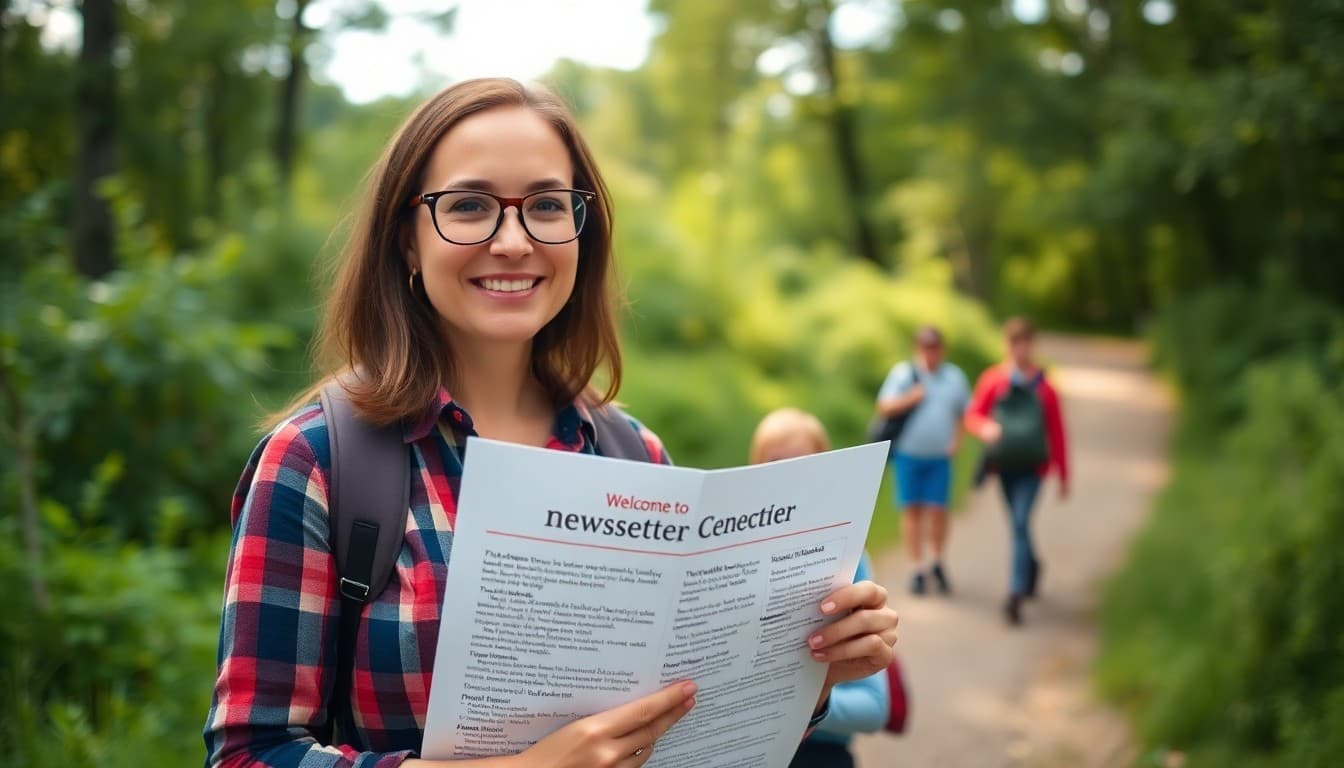
Environmental Science Beginning of Year Newsletter: Middle School
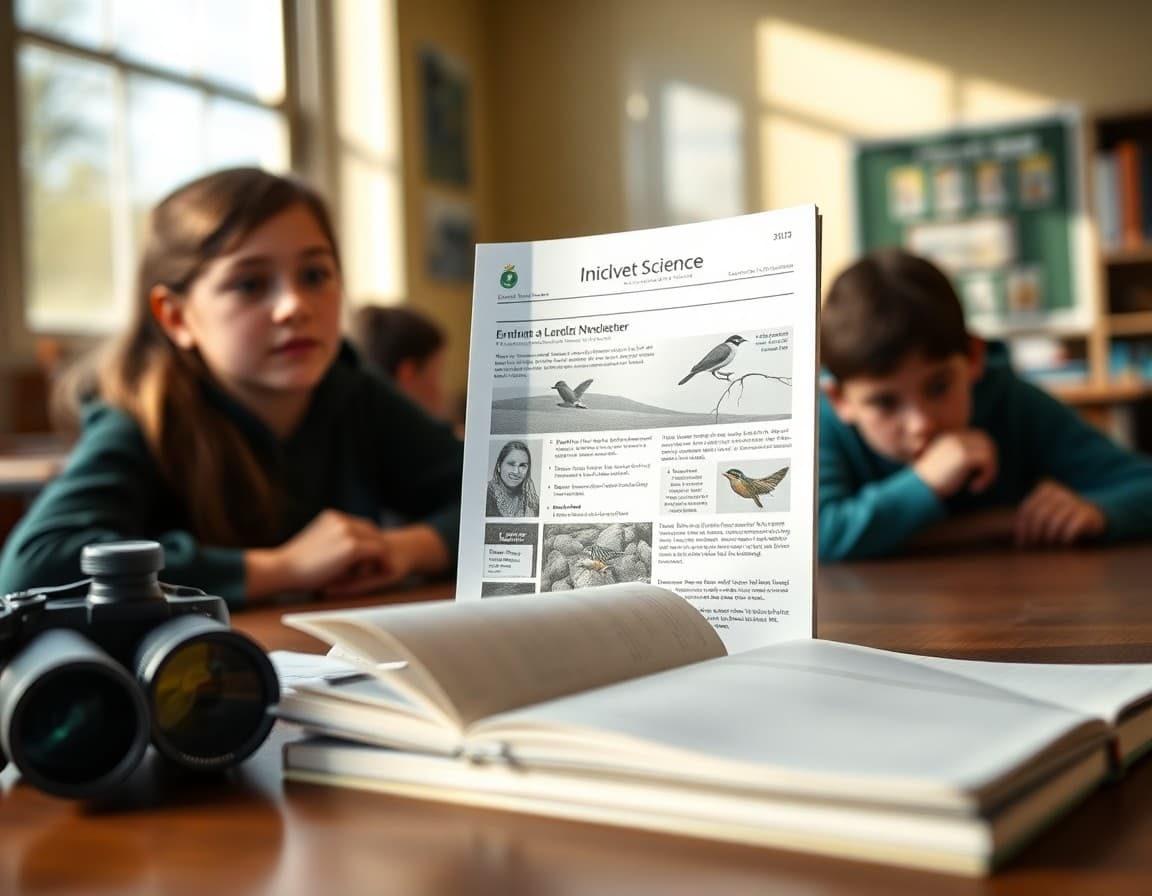
Middle school environmental science builds on a foundation of observation that most students have been developing since kindergarten. This year takes that foundation and adds analysis: not just what is there, but why it's structured that way, how it changes when conditions shift, and what happens when human activity enters the equation. Your beginning of year newsletter frames that ambition for parents and invites them into the year from day one.
What's Different About Middle School Environmental Science
Parents who watched their student learn about butterflies, habitats, and the water cycle in elementary school may expect more of the same in middle school. Your first newsletter is an opportunity to set more accurate expectations. "This year we're asking harder questions: how does energy move through an ecosystem? What happens to a food web when a keystone species disappears? How do scientists measure the effects of human activity on natural systems?" Those questions are genuinely different from what students encountered in earlier grades, and parents deserve to know that.
The Full-Year Curriculum
Give parents a brief unit map so they understand the arc of the year. For a typical middle school environmental science course:
"Here's what we'll investigate this year: Ecology and Energy Flow (how ecosystems are organized and how energy moves through them), Earth's Systems (the water cycle, rock cycle, and atmospheric systems at a deeper level), Human Impact on the Environment (land use, pollution, biodiversity loss, and conservation), Climate Science (how scientists study climate systems and what the data shows), and Local Environmental Issues (a place-based investigation connected to our region)."
That unit list tells parents the scope without overwhelming them with detail.
Template Excerpt: Welcome and Approach
"Welcome to [Grade] Environmental Science. I'm [name], and I've been teaching this course for [X] years. My goal is to help your student understand the natural systems that support all life on Earth and how those systems respond to change.
Middle school environmental science is more analytical than what your student covered in earlier grades. We won't just describe ecosystems; we'll analyze them. We'll ask what happens when something is removed, added, or changed. We'll use real data and real examples from local and global environments. We'll connect what we observe outside to the larger patterns scientists study.
You'll hear from me at the start of each unit with a short newsletter. I'll tell you what we're investigating, why it matters, and suggest one or two ways to continue the exploration at home."
Why Middle School Is the Right Time
Students at this age are forming views about the world and their place in it. Environmental science gives them the analytical tools to engage with real questions about ecosystems, human activity, and sustainability before those questions become purely political rather than scientific. The student who understands how a food web works and how habitat fragmentation affects biodiversity is better equipped to engage with environmental news and policy discussions as an adult.
How Parents Can Engage This Year
Suggest a few things families can do before school starts: take a walk and notice changes since last season. Read one environmental news story together and ask your student to identify which science concept it connects to. Look up what significant environmental features exist in your region. These low-effort activities prime students for the analytical questions the course will introduce and signal to them that environmental science is something worth paying attention to.
Setting Communication Expectations
Close with your communication plan: when parents will hear from you, what the newsletters will include, and the best way to reach you with questions. Middle school parents who feel they have a reliable connection to their student's teacher are more likely to engage with unit newsletters throughout the year and to support the course when challenging or controversial content comes up. A clear, confident first newsletter establishes that connection before any difficulty arises.
Get one newsletter idea every week.
Free. For teachers. No spam.
Frequently asked questions
What should a middle school environmental science beginning of year newsletter include?
Cover five elements: a brief introduction to you and your teaching approach, the full-year curriculum overview in plain language, how middle school environmental science differs from what students covered in elementary, why this content matters for 11 to 14 year olds right now, and two or three ways families can start exploring the subject before the first unit begins. Keep it to one page.
How do I explain the shift from elementary to middle school environmental science?
Name the shift directly: elementary science was built on observation and identification. Middle school moves to analysis and explanation. Students won't just identify what lives in an ecosystem; they'll analyze how energy flows through it, what happens when a species is removed, and why human activities change ecosystem structure. That analytical upgrade is worth naming because it sets accurate expectations for the year.
Should the first newsletter address climate science?
A brief mention is appropriate: 'One major theme this year is understanding how scientists study large-scale environmental systems, including climate.' That's accurate and non-partisan. Parents who know climate science is part of the curriculum but has been framed as evidence-based study rather than advocacy are generally supportive. Don't avoid the topic; frame it precisely.
What tone works for a middle school environmental science beginning of year newsletter?
Direct and genuinely enthusiastic about the subject. Middle school parents respond to teachers who clearly care about what they teach. Environmental science has natural hooks: fieldwork, real-world problems, visible phenomena. A newsletter that conveys that energy while setting clear expectations tends to generate more positive parent engagement than a neutral, informational tone.
How does Daystage help environmental science teachers communicate from the beginning of the year?
Daystage lets you send your beginning of year newsletter to all families at once with professional formatting. You can save it as a template and use the same structure for every unit newsletter throughout the year. Teachers who set up their communication system in Daystage before school starts typically maintain more consistent parent outreach all year.

Adi Ackerman
Author
Adi Ackerman is a former classroom teacher and curriculum writer with 8 years in K-8 schools. She writes about school communication, parent engagement, and what actually works in real classrooms.
More for Middle School
Alaska Middle School Newsletter Guide: What to Include for Families
Middle School · 8 min read
Middle School Back-to-School Newsletter: What Families Need to Know Before Day One
Middle School · 7 min read
Middle School Counselor Newsletter: What to Include and How to Reach Families
Middle School · 7 min read
Ready to send your first newsletter?
3 newsletters free. No credit card. First one ready in under 5 minutes.
Get started free